A non-partisan, science- based organization advocating for wetlands in the Carolinas.
Recent News
Celebrating Our Carolina Wetlands
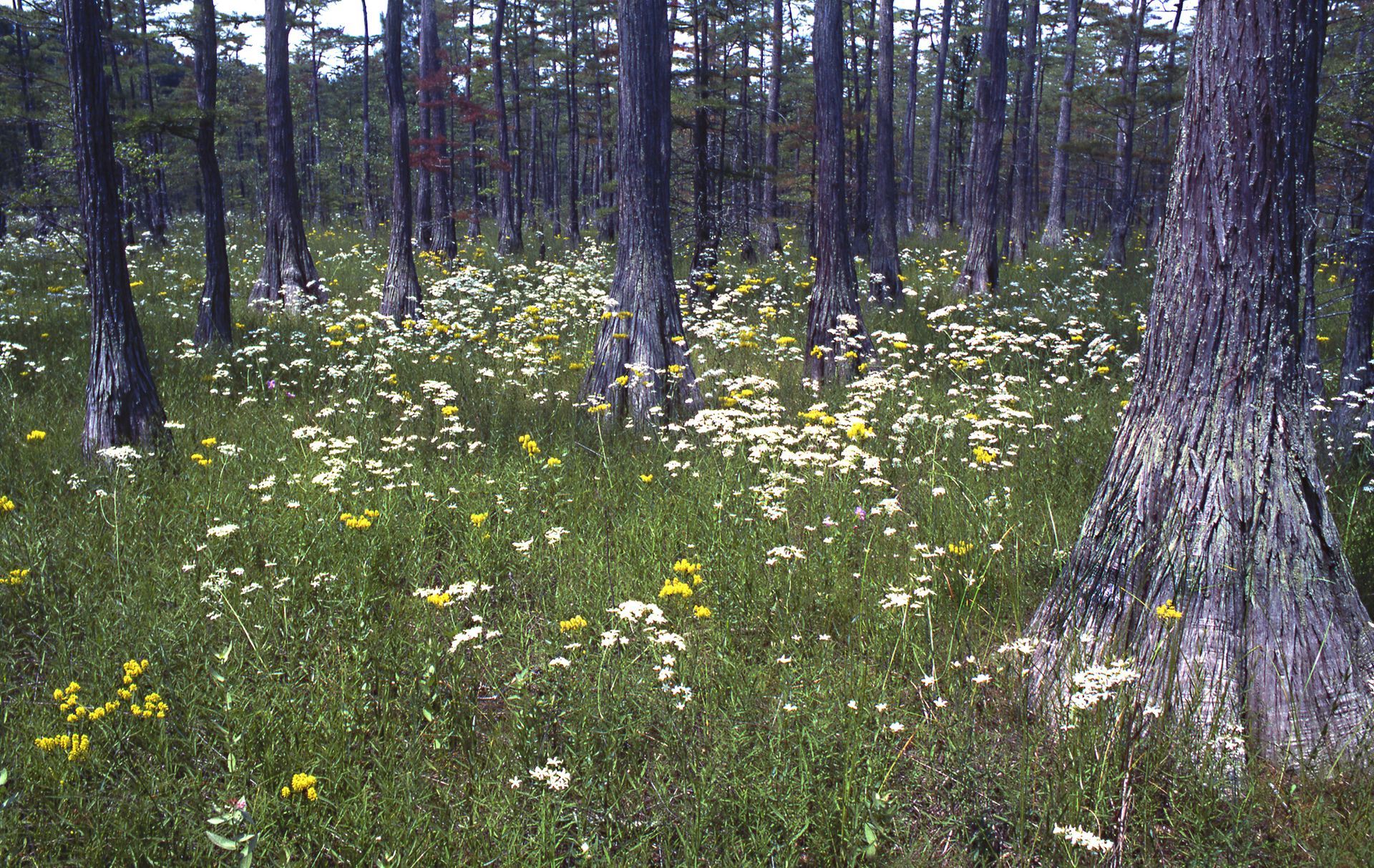
A Decade of Celebrating Carolina's Wetland Treasures
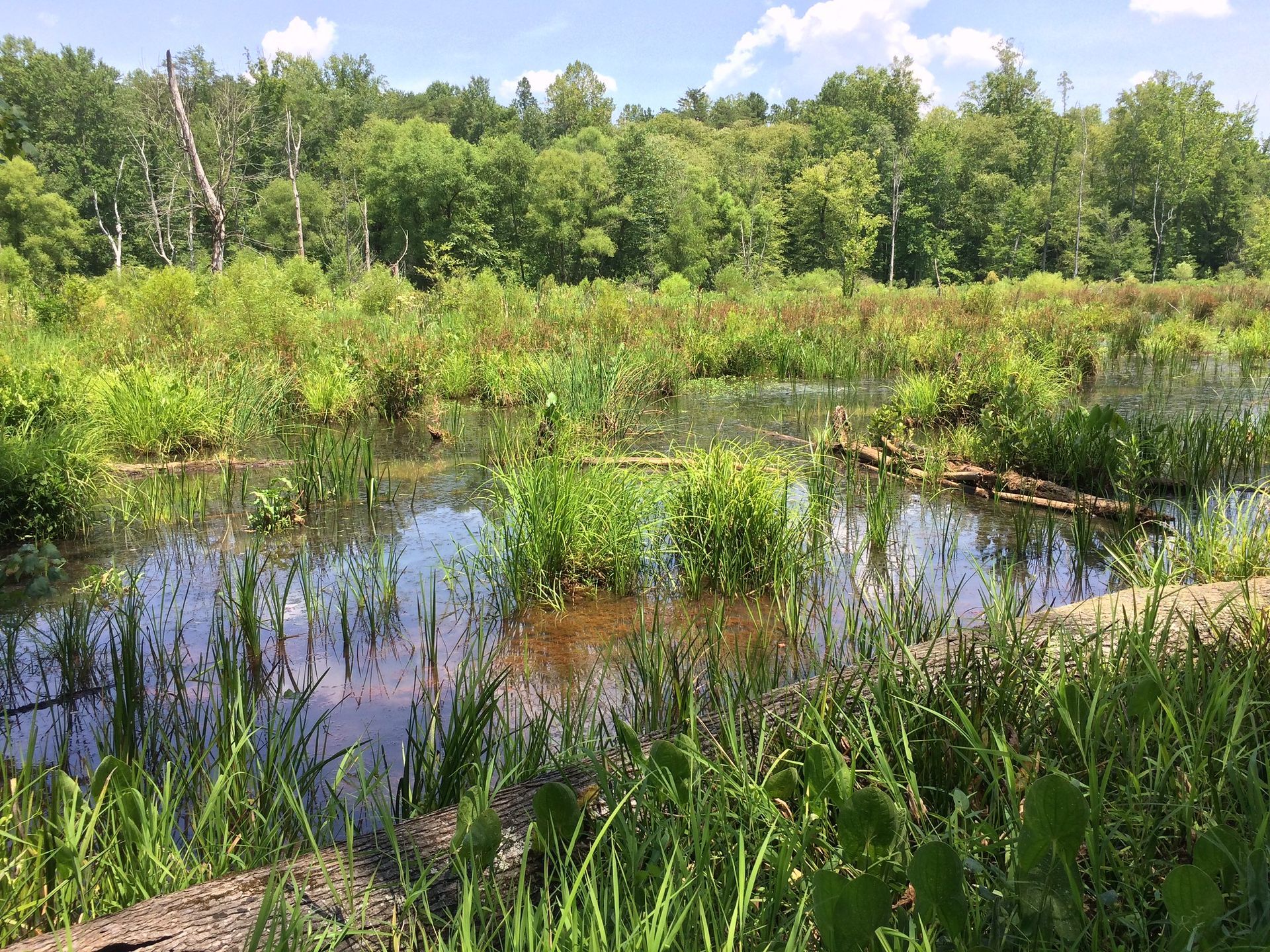
On September 9, 2026, the U.S. Environmental Protection Agency (EPA) and the U.S. Army Corps of Engineers issued a supplemental notice of proposed rulemaking (SNPRM) offering additional ways to define “waters of the United States” (WOTUS). Why this definition matters The WOTUS definition determines which water bodies the federal government can protect under the Clean Water Act. In November 2025, the agencies proposed revisions to bring the definition in line with the Supreme Court’s 2023 decision in Sackett v. EPA. After taking public comments, they have now put forward further options. The new proposal narrows federal jurisdiction even more, potentially stripping protections from the vast majority of U.S. wetlands and seasonal streams. What our comment letter says The Carolina Wetlands Association is submitting comments opposing the proposal. Our main concerns: It would undermine the Clean Water Act’s purpose. The law’s goal is to restore and maintain the chemical, physical, and biological integrity of the nation’s waters. This proposal would severely undercut that goal. The “days of water” test is a poor measure. The proposal decides jurisdiction by how many days a year water is present. That number correlates poorly with a waterway’s ability to carry pollution downstream to the rivers, lakes, and estuaries that would stay protected. Streams dry for as few as 30 days a year could lose protection, and polluters would have an incentive to discharge into them rather than into protected waters. Drinking water is at risk. About 56% of North Carolina’s stream miles feeding public drinking water systems are intermittent, ephemeral, or headwater streams. In South Carolina the figure is 51%. These systems serve 6.6 million people, who would bear higher health risks and treatment costs. Wetlands do critical work. They filter pollutants and nutrients that cause algal blooms, dead zones, and fish kills. Losing that function would also degrade groundwater, which many people drink untreated. The legal reasoning is flawed. We argue the agencies misread the Supreme Court’s language. “Relatively permanent” describes geographic features such as streams with defined beds and banks. The word “continuously” modifies “flowing” and doesn’t limit what counts as relatively permanent. It would be hard to implement. Many affected streams have no data showing how many days they lack surface water. That makes the rule difficult for agencies to administer and leaves landowners unable to tell whether the Clean Water Act applies to their property. The impacts haven’t been analyzed. The agencies should not finalize a rule before measuring the added pollution flowing from newly unprotected waters into those that supply drinking water, or projecting the resulting damage to downstream uses. What you can do Read the SNPRM Submit your comment by October 9, 2026, under Docket ID No. EPA–HQ–OW-2025-0322 . Personal stories about the streams, wetlands, and drinking water you depend on are especially effective. Learn more: read the comments we submitted on the November 2025 version of the rule, many of which still apply.
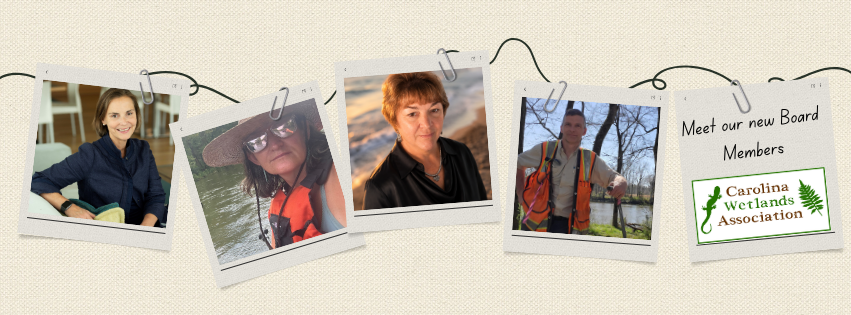
Welcoming New Members to the Carolina Wetlands Association Board
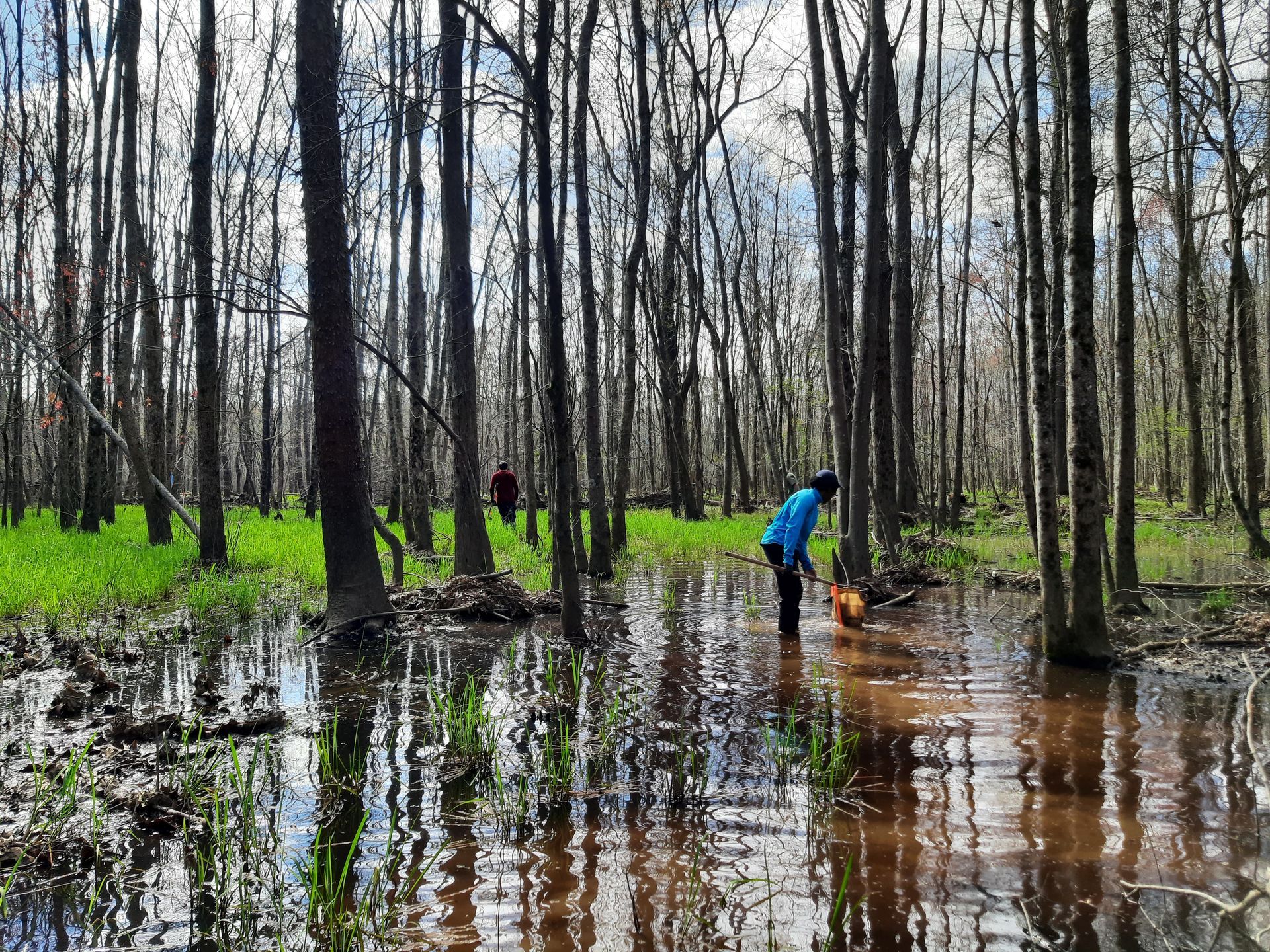
North and South Carolina is starting to recover from one of the most severe droughts in recent history. Drought covered essentially both states with reservoirs like Falls Lake and Jordan Lake dropping well below normal and cities including Raleigh and Durham enacting mandatory water restrictions. While the drought is largely over (given the second wettest July on record), I still think it is important to understand how wetlands mitigate droughts because the bottom line is drought impacts would be a lot worse without wetlands.
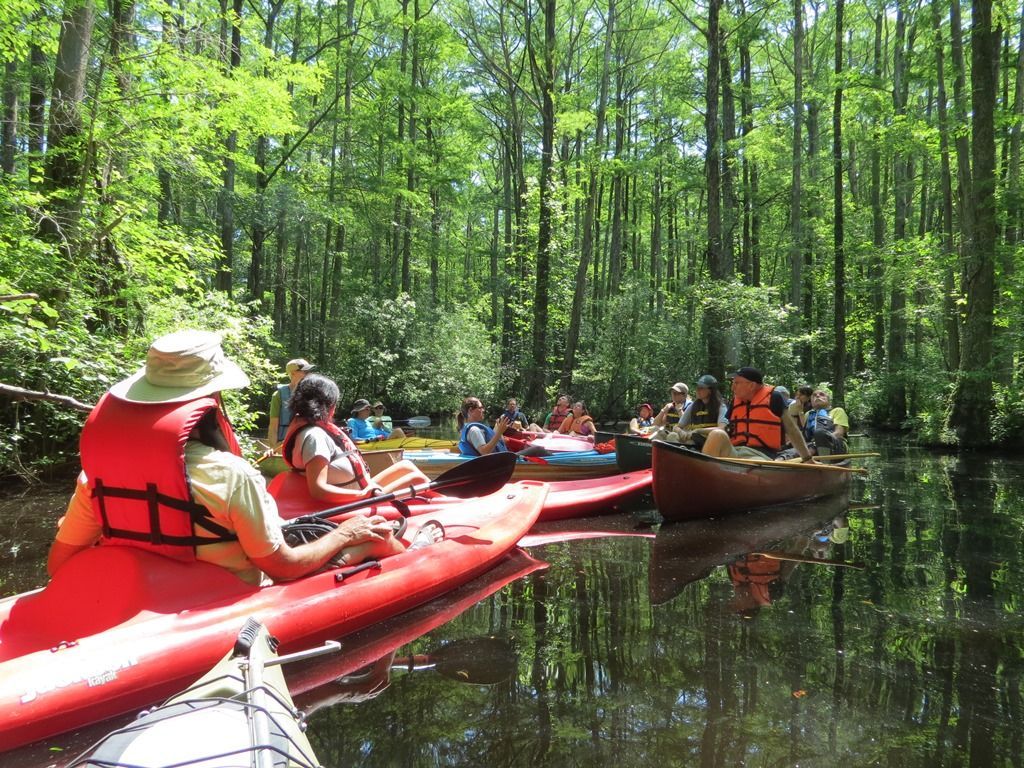
July is Lakes Appreciation Month, an annual celebration led by the North American Lake Management Society (NALMS) to recognize the many ways lakes enrich our lives—from providing drinking water and recreation to supporting wildlife and local economies. It is also an ideal time to recognize one of a lake’s most important, yet often overlooked, partners: lacustrine wetlands. When many people picture a lake, they imagine open water stretching to the horizon. But healthy lakes are much more than open water. Around their shorelines lies a dynamic transition zone where land and water meet. These shallow, vegetated areas are known as lacustrine wetlands, and they are among the most productive ecosystems in the Carolinas. What’s the Difference Between a Lake and a Wetland? Although they are closely connected, lakes and wetlands are not the same. A lake is generally a body of open water deep enough that sunlight cannot always reach the bottom. In contrast, a wetland is defined by the presence of water at or near the surface long enough to support hydric soils and plants adapted to saturated conditions. Lacustrine wetlands occupy the shallow margins of lakes where water levels fluctuate seasonally. Because sunlight reaches the bottom, these areas support an abundance of native aquatic plants such as pickerelweed, arrowhead, bulrushes, and water lilies. Rather than competing with lakes, these wetlands help lakes function as healthy ecosystems. Think of them as the lake’s living shoreline. Nature’s Water Filter Before rainwater reaches a lake, it often flows through wetlands. Along the way, wetland plants slow runoff, trap sediment, absorb excess nutrients, and filter pollutants. This natural treatment system helps improve water clarity and reduce harmful algal blooms. The same wetlands also soften the impacts of floods by temporarily storing stormwater and slowly releasing it after heavy rains. As we have discussed in recent newsletters, healthy wetlands provide one of our most cost-effective defenses against flooding while protecting downstream communities. A Haven for Wildlife Lacustrine wetlands are biodiversity hotspots. Their shallow waters provide spawning and nursery habitat for fish, breeding grounds for amphibians, nesting areas for turtles, and feeding habitat for wading birds. Dragonflies patrol above the vegetation while pollinators visit native flowering plants along the shoreline. Many species spend their entire lives within these wetlands, while others depend on them during critical stages of migration or reproduction. Remove the wetland, and the lake loses much of the biological richness that makes it special. Carolina’s Lake-Associated Wetlands Across North and South Carolina, remarkable lake-associated wetlands demonstrate this close relationship between lakes and wetlands. The majestic cypress-gum swamps surrounding Lake Waccamaw create habitat for rare plants and animals found nowhere else. The extensive shoreline wetlands of Lake Mattamuskeet, the largest natural lake in North Carolina, support hundreds of thousands of migratory waterfowl each winter. Reservoirs such as Jordan Lake , Falls Lake , and Lake Norman also contain valuable coves, embayments, and shallow wetlands that provide wildlife habitat while improving water quality. Closer to home, many neighborhood lakes, farm ponds, and municipal reservoirs include wetland fringes that quietly perform these same ecological services every day. While these wetlands may seem ordinary, together they form an important network that benefits both people and wildlife. Some of our Wetland Treasures such as Merchants Millpond , Robertson Millpond , and Phelps Lake Shoreline are Lacustrine wetlands. Appreciating the Whole Ecosystem As you celebrate Lakes Appreciation Month, take a moment to look beyond the open water. Notice the cattails swaying along the shoreline, the chorus of frogs after sunset, the great blue heron stalking fish in the shallows, or the dragonflies darting among the lilies. Those vibrant edges are not simply the border of a lake—they are an essential part of the ecosystem. Protecting lakes means protecting the wetlands that surround them. Together, they improve water quality, reduce flooding, support biodiversity, and provide countless opportunities for recreation, education, and inspiration. At the Carolina Wetlands Association, we believe that every wetland matters—whether it borders a coastal marsh, a forested swamp, or a favorite Carolina lake. This July, as we celebrate Lakes Appreciation Month, let’s appreciate these remarkable partnerships between lakes and wetlands and continue working to conserve them for future generations. What is your favorite lake with beautiful wetlands? Share your photos and stories with the Carolina Wetlands Association and help us celebrate the wetland treasures that make our Carolina lakes so special. So go out and explore a wetland at your favorite lake or at one of our Wetland Treasures and remember that Carolina Wetlands Association is actively working to protect all wetlands. Your support is always appreciated. Rick Executive Director Carolina Wetlands Association
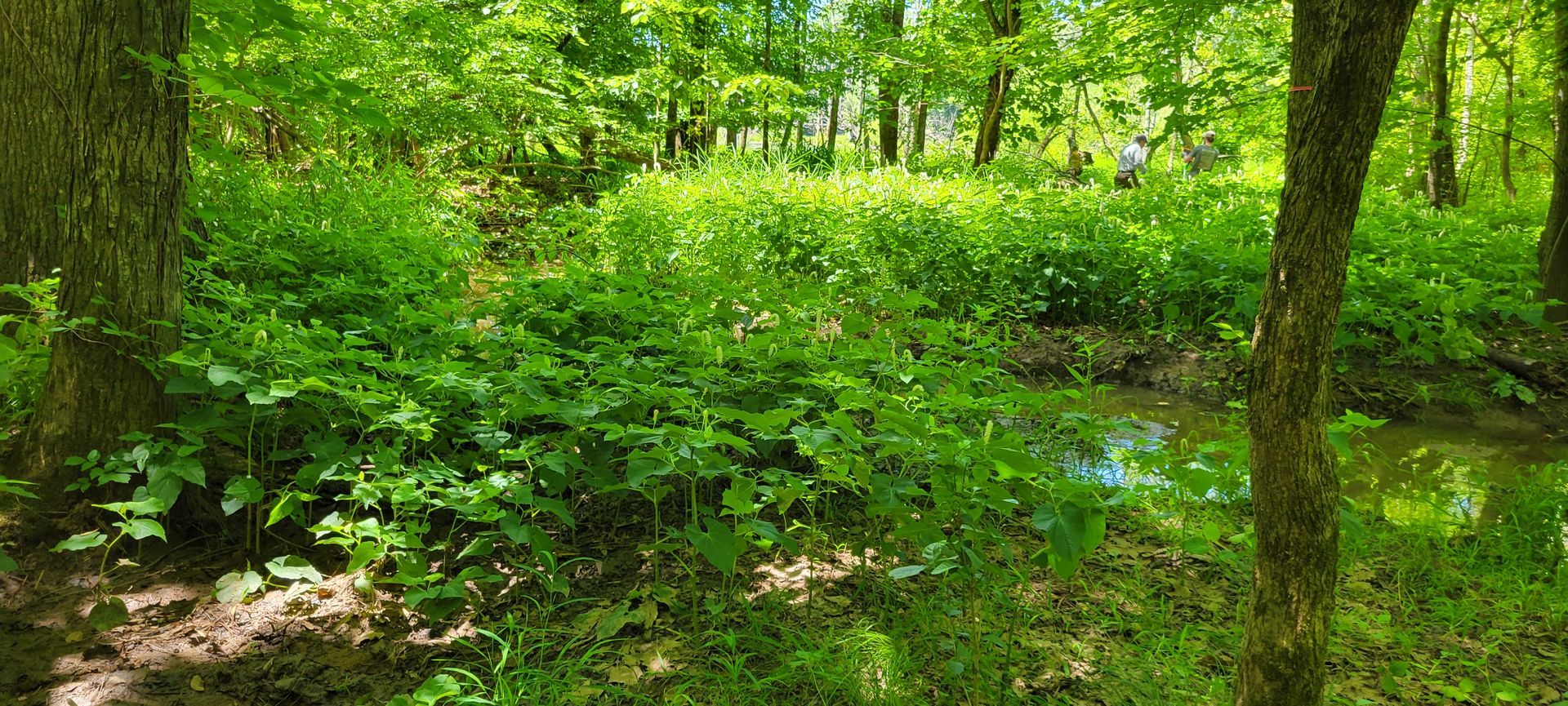
Buffers and Setback adopted by Cities and Towns
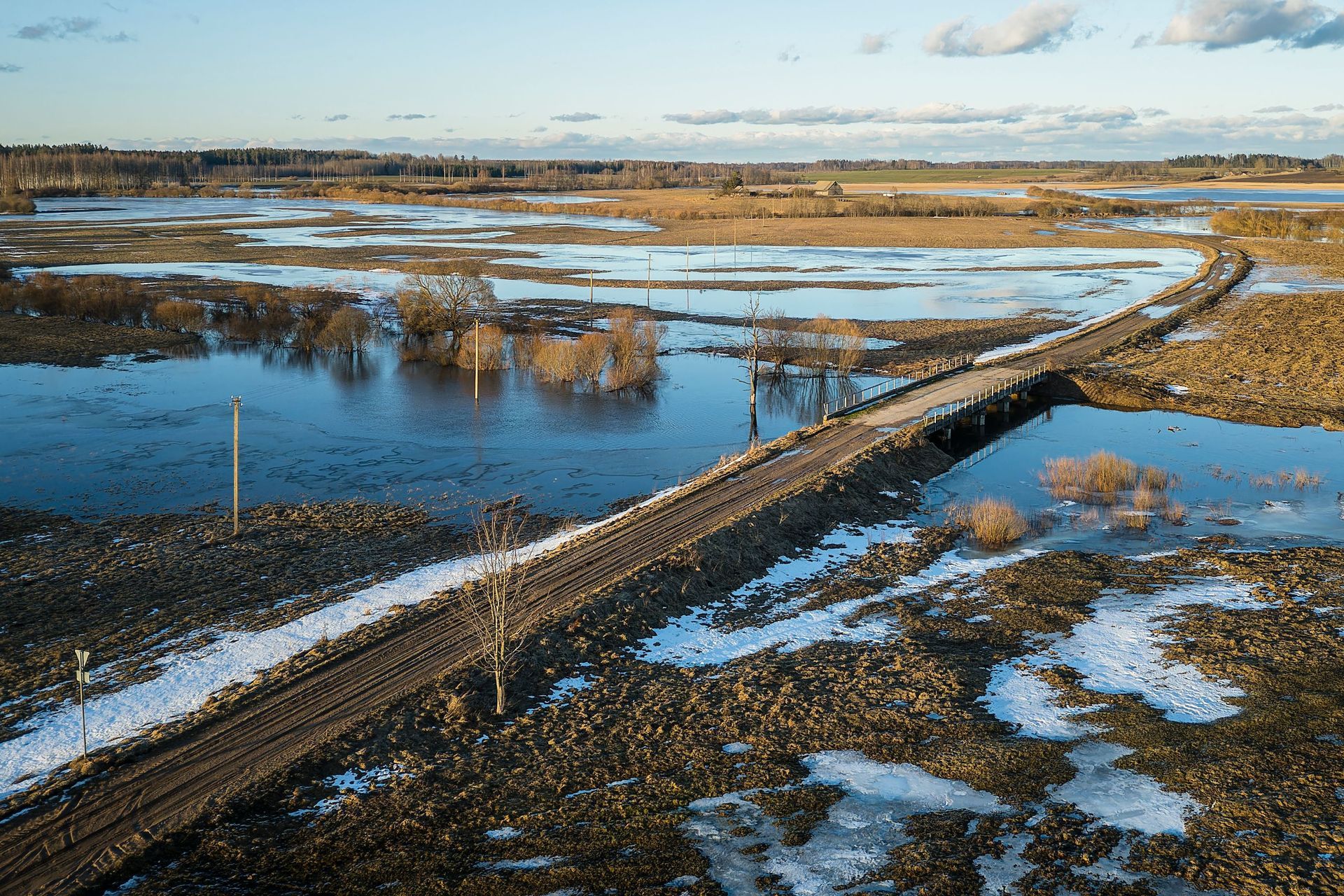
Hello Wetland Supporters, I hope everyone had a wonderful American Wetlands Month in May and found an opportunity to get outside and explore a wetland. We enjoyed fantastic paddling events at Robertson Millpond Preserve and Lake Mayo, where participants experienced the beauty and importance of these unique ecosystems firsthand. Wetlands have also been in the news recently as the impacts of recent Supreme Court decisions on wetland protections continue to be evaluated. Two recent articles highlight what is at stake: Lisa Sorg in Inside Climate News, Supreme Court’s Limitation on Wetlands Protection Will Make Flooding Worse Jesse Gourevitch and Adam Gold, New Research Shows What’s at Stake When Wetlands Disappea r The central message of both articles is clear: the loss of wetlands leads to increased flooding and rising economic costs for communities. Research cited by Gourevitch and Gold found that wetland loss across the United States has increased residential flood insurance claim payments by an estimated $10.1 billion since 1985 — approximately 9% of all insured riverine flood losses nationwide. The authors also emphasize that policymakers must better recognize the economic value wetlands provide in reducing flood damage to homes and communities. According to the research, the flood-mitigation value of currently unprotected wetlands is estimated at $177 billion nationwide , with North Carolina accounting for approximately $4.6 billion of those benefits . This research reinforces what the Carolina Wetlands Association has long understood: healthy wetlands are essential infrastructure for resilient communities. Through support from the NC Land and Water Fund, Carolina Wetlands Association have received three grants to partner with vulnerable communities to assess flooding concerns and develop restoration plans that incorporate community input, scientific data collection, and hydrologic modeling to identify the most effective wetland restoration strategies. We are also excited to share that we recently received a fourth NC Land and Water Fund grant to begin our first restoration project at Stony Run in Harnett County. Stony Run Walkable Watershed Lumbee Cultural Center Wetland Restoration By working alongside communities and restoring wetland resources, we are helping reduce potential flood damage while also providing additional benefits such as improved water quality, recreation opportunities, shoreline stabilization, environmental education, and greater community resilience. So, the next time you explore a wetland, remember that healthy wetlands mean healthy communities — and your support plays an important role in protecting these valuable ecosystems. Wetlands truly do matter. Best, Rick Savage Executive Director
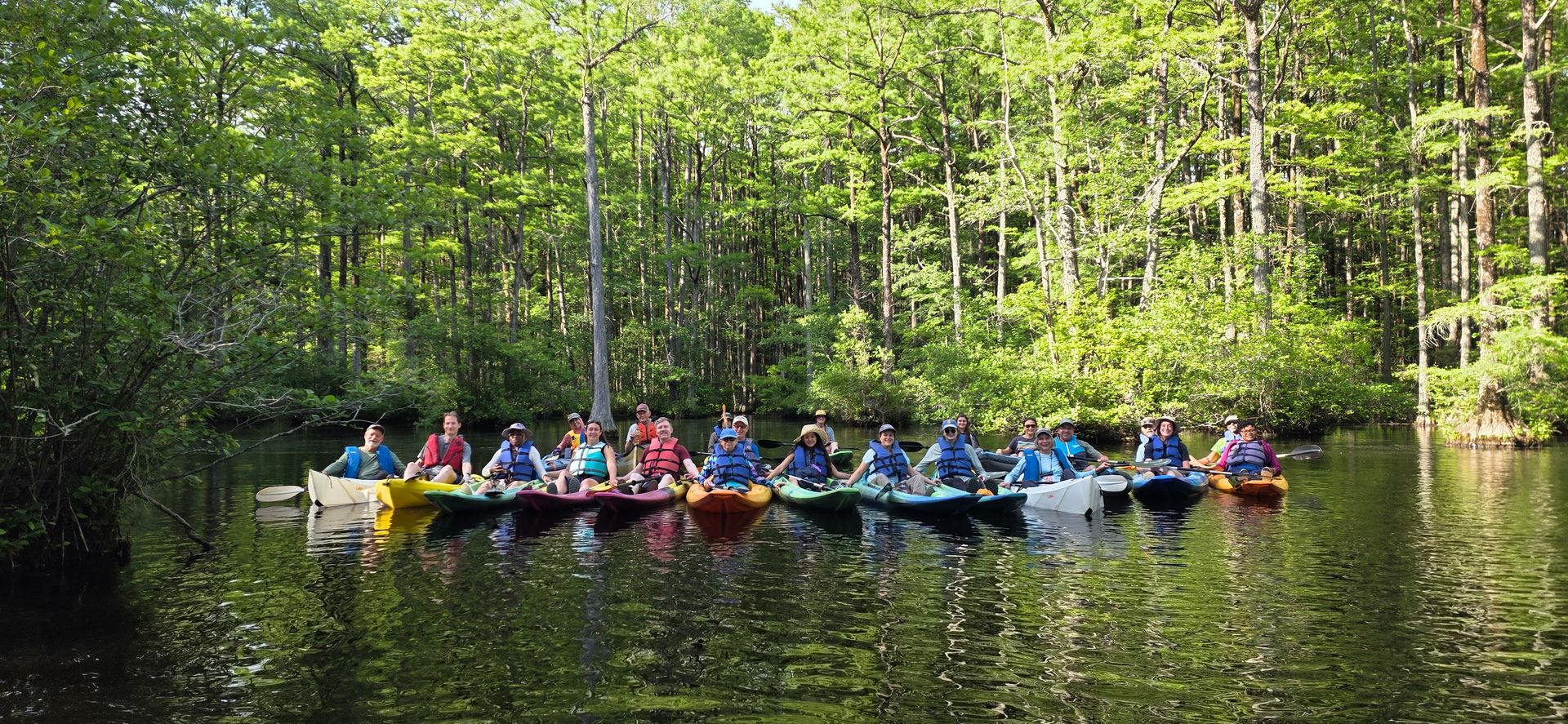
Wetland supporters enjoyed two memorable May paddling events, exploring North Carolina’s beautiful wetlands while spotting wildlife and learning from local experts.
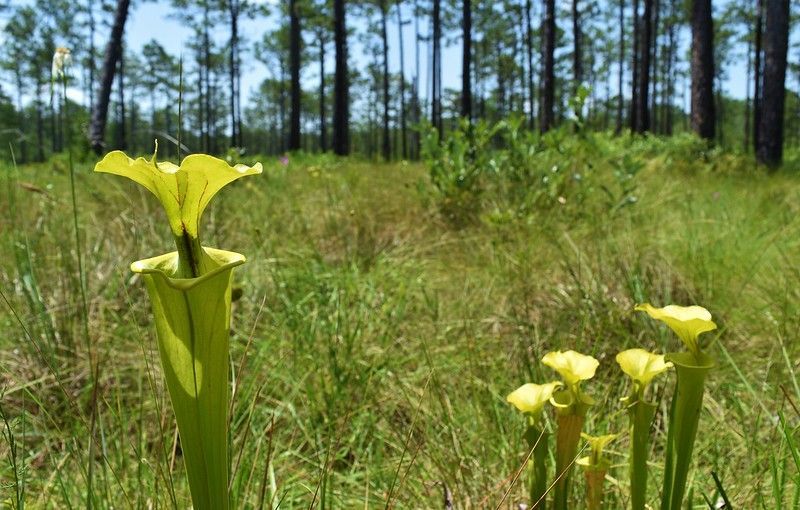
May is American Wetlands Month - yes, an entire month to celebrate these ecologically diverse and economically important ecosystems. Wetlands account for 14% of the land area in North Carolina and almost 20% of South Carolina!
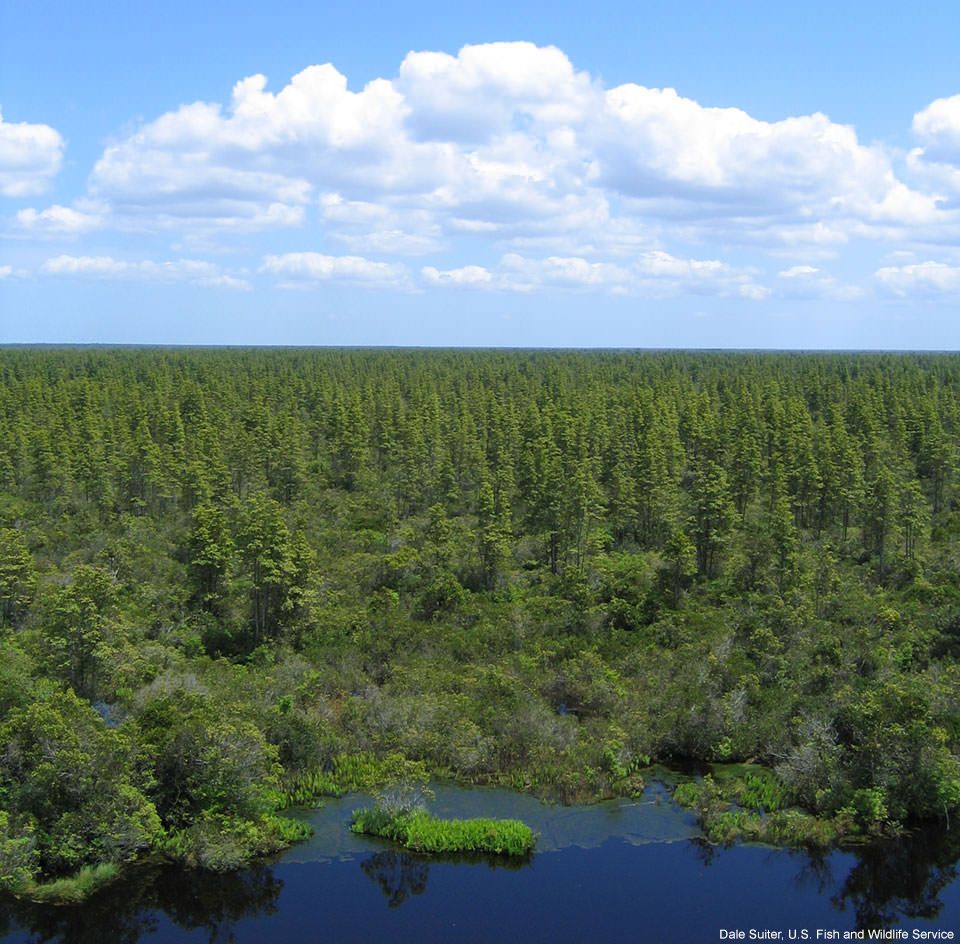
Pocosins are amazing wetlands only appearing in North Carolina and SOuth Carolina and a few in southeastern Virgina. They are truly unique to the Carolina and their value to our well being is significant.
Our work is organized into the following program areas
Outreach
Promoting widespread understanding of and engagement in wetlands.
Advocacy
Encouraging policies and programs that promote wetland conservation and protection.
Science
Encouraging the advancement of wetland science and practices.
Sustainability
Ensuring a long-term, viable organization to protect, promote, and restore wetlands.