
Wetlands: Nature’s Hidden Defense Against Drought
North and South Carolina is starting to recover from one of the most severe droughts in recent history. Drought covered essentially both states with reservoirs like Falls Lake and Jordan Lake dropping well below normal and cities including Raleigh and Durham enacting mandatory water restrictions.
While the drought is largely over (given the second wettest July on record), I still think it is important to understand how wetlands mitigate droughts because the bottom line is drought impacts would be a lot worse without wetlands.
Wetlands: Nature’s Hidden Defense Against Drought
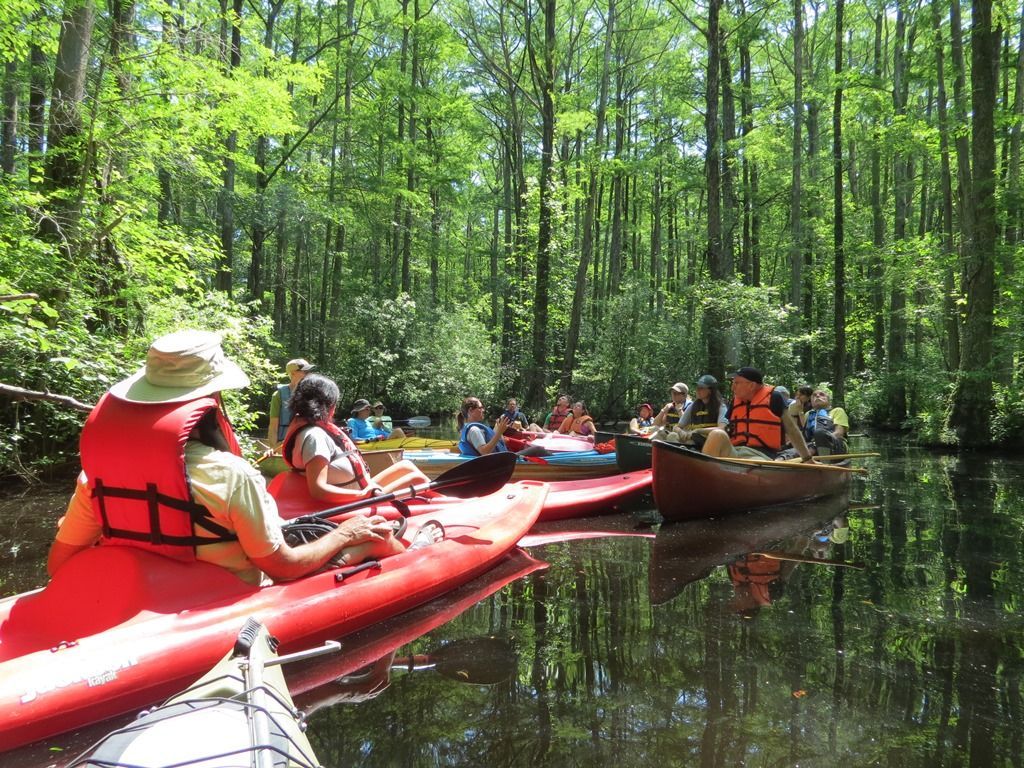
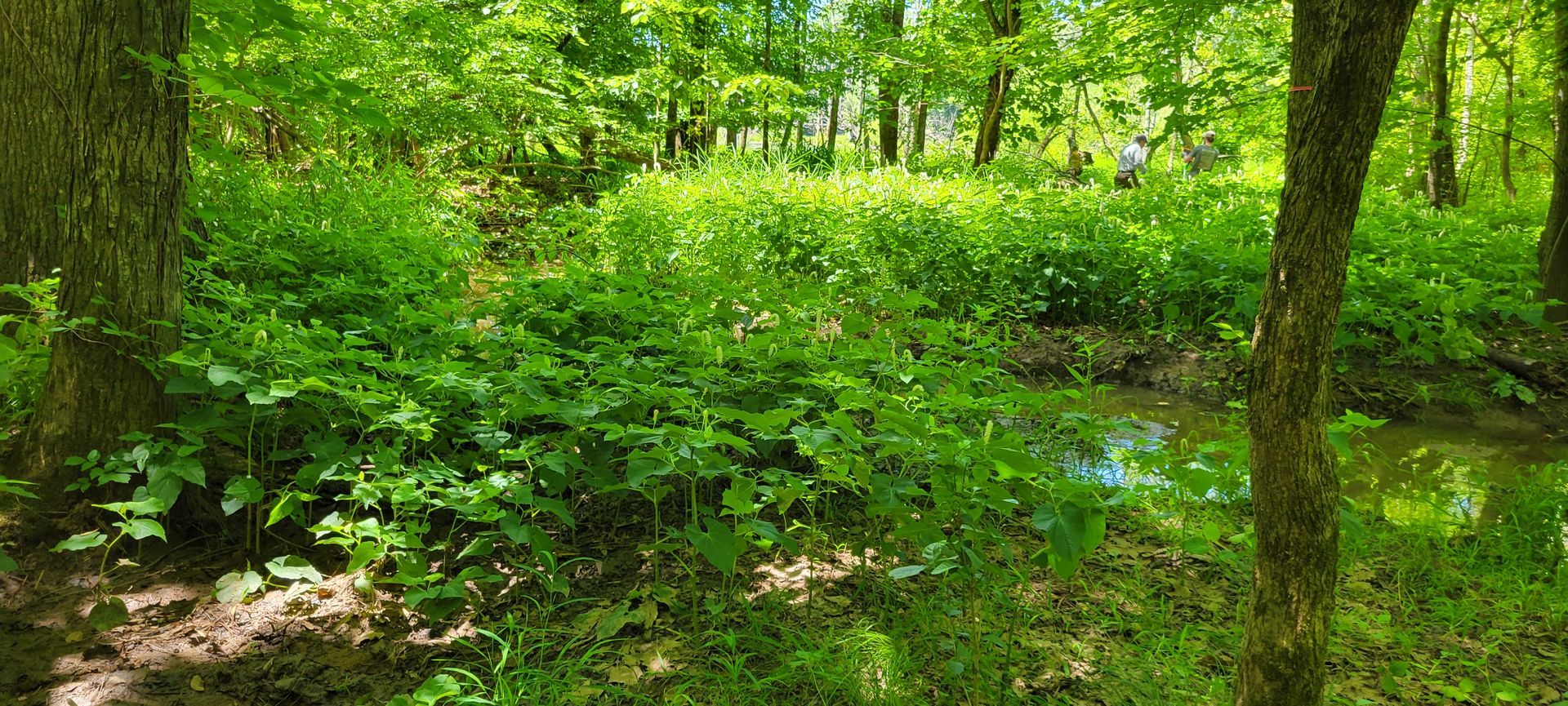
When most people think about wetlands, they picture places filled with water—marshes teeming with birds, cypress swamps draped in Spanish moss, or forested floodplains after a heavy rain. Because of this, wetlands are often associated with floods rather than droughts. Yet one of their greatest ecological gifts is their ability to store water which helps communities, wildlife, and ecosystems endure dry times.
Healthy wetland ecoystems serve as nature’s water savings account. They quietly store water during wet periods and gradually release it when rainfall becomes scarce, helping to sustain streams, groundwater, wildlife, and even our drinking water supplies.
Nature's Water Reservoirs
Unlike a reservoir, wetlands don’t simply hold water behind a dam. Wetland soils, vegetation, and natural topography allow them to capture rainfall, slow runoff, and store large volumes of water. The organic matter that accumulates in wetland soils—particularly those found in pocosins, forested wetlands, and peatlands—causes them to act like a sponge. They absorb water during rainy seasons and slowly release it over weeks or months.
This gradual release is critical during drought. Many streams that continue flowing through dry summers owe their persistence to groundwater and wetlands feeding them from below. Without wetlands, many streams would shrink dramatically or disappear altogether during prolonged dry weather.
Protecting Groundwater
Wetlands also play an important role in replenishing groundwater. As water moves slowly through wetland soils, a portion infiltrates into underground aquifers that supply wells and maintain streamflow long after the rain has stopped.
In the Coastal Plain of North and South Carolina, where many communities rely heavily on groundwater, wetlands provide an essential connection between rainfall and underground water supplies. Protecting these wetlands today helps ensure water remains available tomorrow.
Wildlife Depends on Wetlands During Dry Times
Drought places tremendous stress on wildlife. Amphibians, reptiles, fish, birds, and mammals all depend on reliable water sources. During a drought, permanent wetlands become refuges where wildlife congregate until rains return.
Even seasonal wetlands—those that naturally dry during portions of the year—play an important role. By storing water longer into the growing season, they provide critical habitat for amphibians, aquatic insects, and countless other species whose life cycles depend on predictable water availability.
Healthy wetlands also help maintain cooler water temperatures, improving conditions for fish and other aquatic organisms that can become stressed by hot summer temperatures.
Wetlands Build Resilience
Scientists expect that future weather will include not only stronger storms but also longer and more severe droughts across portions of the Southeast. These extremes make wetlands more valuable than ever.
Wetlands act as natural moderators of the water cycle. During heavy rains they reduce flooding by storing excess water. During droughts they release stored water back into the landscape. Few other ecosystems provide both services so effectively.
This ability to buffer weather extremes makes wetland conservation one of the most cost-effective investments communities can make to improve long-term resilience.
Carolina Wetland Treasures
The Carolinas are home to remarkable wetlands that quietly help regulate regional water supplies. The vast pocosins of the Albemarle-Pamlico Peninsula store tremendous quantities of water within deep organic soils. Bottomland hardwood forests along the Lumber, Black, and Congaree rivers moderate streamflows throughout the year. Carolina bays scattered across both states capture rainfall and provide seasonal habitat while contributing to local hydrology.
These landscapes are more than beautiful places to visit. They are working ecosystems that help sustain both people and wildlife through wet years and dry ones alike.
What Can We Do?
Every acre of wetland protected or restored strengthens our communities’ ability to cope with future drought. Restoring drained wetlands, conserving floodplains, protecting headwater wetlands, and limiting unnecessary wetland losses all contribute to healthier watersheds and more reliable water resources.
As we experience another Carolina summer, take a moment to appreciate the wetlands around you. They may not always be full of standing water, but they are quietly performing one of nature’s most important jobs—saving water for when we need it most.
Wetlands truly remind us that conservation is not simply about protecting wildlife or scenic landscapes. It is about protecting the natural systems that protect us. Whether the challenge is flooding after a hurricane or drought during a long, hot summer, healthy wetlands remain one of our most effective and enduring allies.
Protecting wetlands today means protecting water for tomorrow.
Enjoy exploring your wetlands,
Rick
Executive Director
You might also like
Celebrating Our Carolina Wetlands