Pocosins: Carolina Peatlands of Carbon, Culture, and History
Continuing with the theme of unique wetlands to the Carolinas, Pocosins are amazing wetlands only appearing in NC and SC and a few in
SE Virgina. They are truly unique to the Carolina and their value to our well being is significant.
Introduction
Across the North Carolina Coastal Plain, stretching quietly between rivers and sounds, lie some of the most distinctive and underappreciated wetlands in North America: pocosins. Often described as “swamps on a hill,” these shrub-dominated peatlands are defined less by open water than by the slow accumulation of carbon-rich soils over thousands of years.
Ecological Value: Carbon Powerhouses of the Coastal Plain
Pocosins are peatlands, making them one of the most important natural climate assets in the Southeast. Their soils—built from layers of partially decomposed plant material—can reach several feet in depth, storing thousands of years of accumulated carbon. Waterlogged,
oxygen-poor conditions slow decomposition, allowing organic matter to persist.
When drained, however, these systems rapidly lose carbon as soils oxidize. Even more concerning, dried peat becomes highly flammable, and fires can release massive amounts of stored carbon. Intact pocosins also regulate water, reduce flooding, and improve
downstream water quality.
Historical Value: From Misunderstood Lands to Climate Assets
For much of American history, pocosins were viewed as wastelands. Extensive ditching and draining attempted to convert them into farmland and timberlands. North Carolina once supported more than two million acres of pocosins, but only a fraction remains today.
Modern restoration efforts are helping re-wet these landscapes, restoring their ability to store carbon, reduce wildfire risk, and support biodiversity.
Cultural Value: Indigenous Knowledge and Regional Identity
While it is a common misconception that the word
"pocosin" translates to "swamp on a hill," its true Algonquian roots refer more broadly to a "stream-dissected upland" or an area where water lingers in a raised bog. Indigenous communities have long understood these landscapes as dynamic systems intricately shaped by the relationship between water and fire.
Learn More: Ryan Emanuel, a Lumbee Tribe member and Duke University hydrology professor, authored the 2024 book On the Swamp: Fighting for Indigenous Environmental Justice. Published by UNC Press, the book chronicles stories of Indigenous resilience against environmental degradation in North Carolina, addressing issues like wetland loss and infrastructure development.
Today, pocosins remain an important part of the cultural identity of eastern North Carolina, representing resilience, ecological complexity, and a deep connection between people and place.
Conclusion
Pocosins challenge our assumptions about value. Beneath their dense vegetation lies one of the most effective natural carbon storage systems on Earth. Protecting and restoring these wetlands safeguards carbon, honors cultural landscapes, and restores ecological processes developed over millennia.
Where to see a Pocosin?
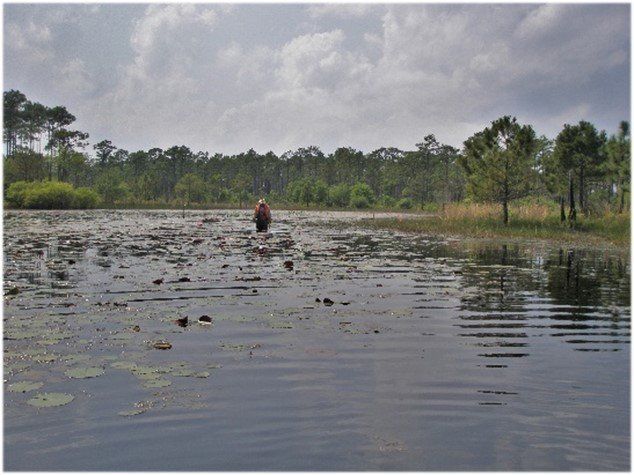
Croatan National Forest
Location: Craven, Carteret, and Jones counties, NC
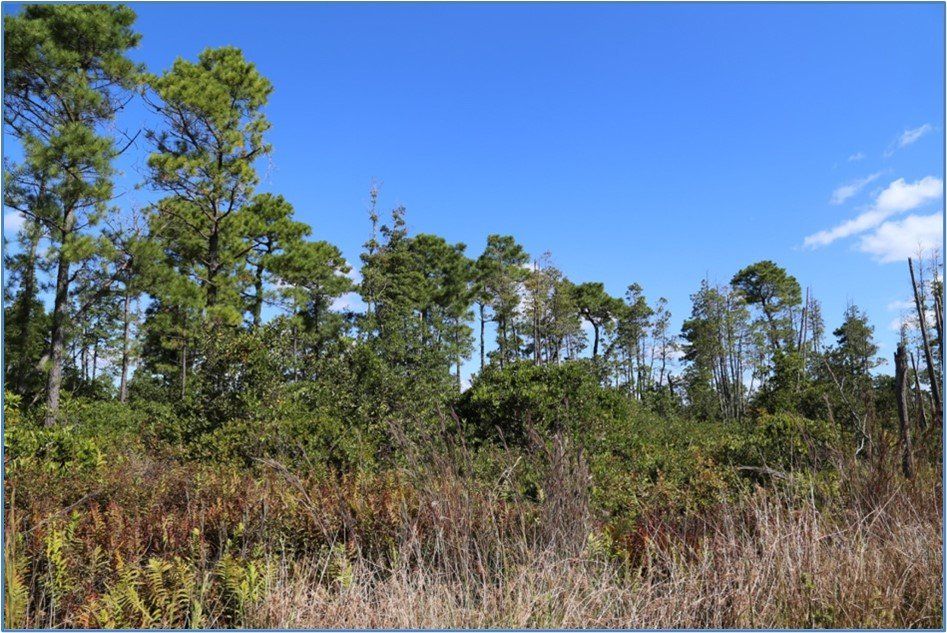
Pocosin Lakes National Wildlife Refuge
Location: Hyde and Washington Counties, NC
You might also like
Celebrating Our Carolina Wetlands