
Carolina Bays: Unique Wetlands of the Carolinas
Importance of Carolina Bays
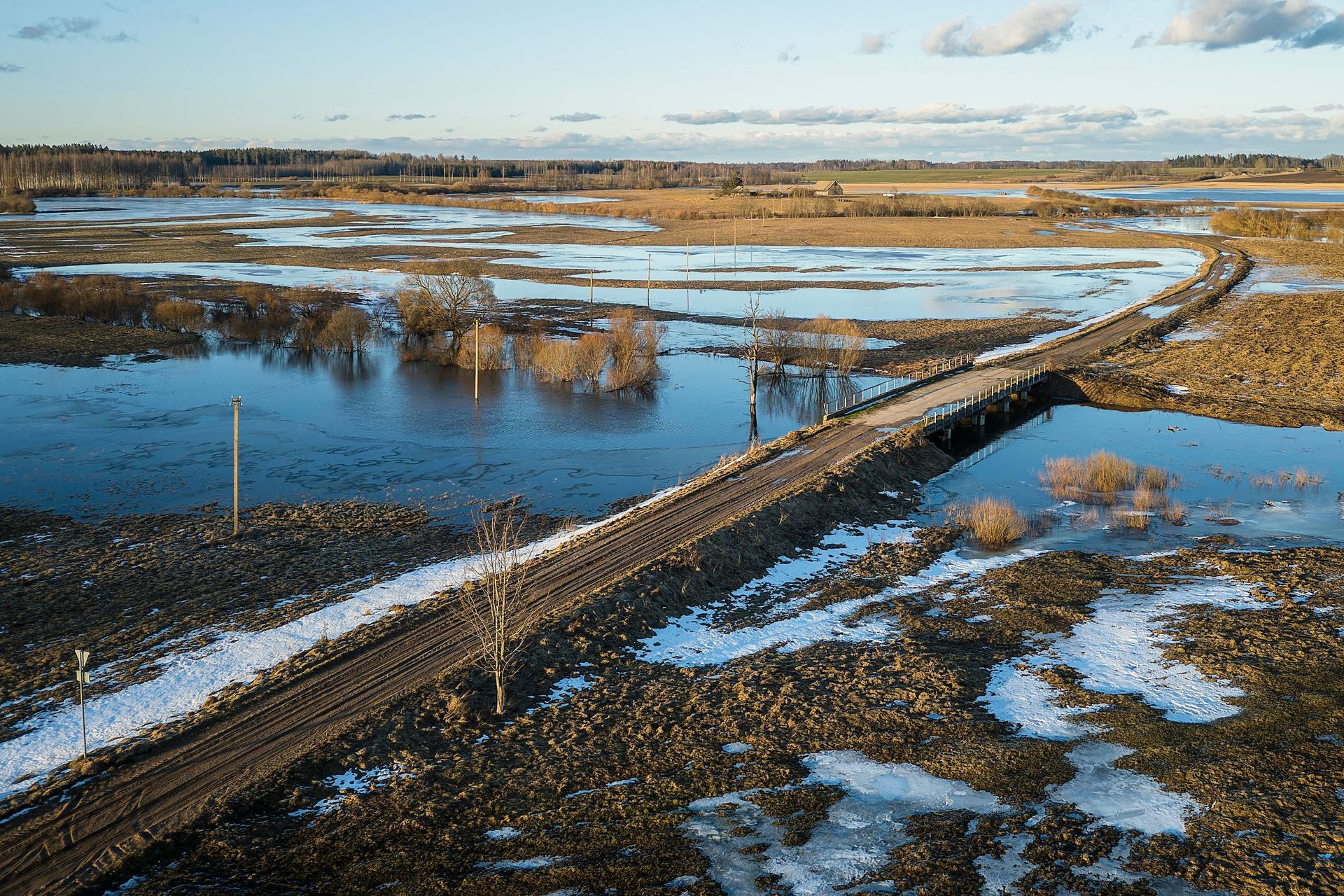
Across the North and South Carolina, a remarkable type of wetland quietly shapes the landscape—yet many people have never heard of it. Known as Carolina Bays, these shallow, elliptical-shaped depressions are one of the most unique wetland systems in the world. While a few exist beyond the region, the vast majority occur in the Coastal Plain ecoregion, where thousands dot the landscape of North and South Carolina.
Carolina Bays are among the most distinctive wetlands in North America. Their consistent oval shape and orientation—from northwest to southeast—have fascinated scientists for more than a century. Beyond their unusual appearance, these wetlands hold tremendous ecological value, deep cultural history, and an enduring scientific mystery.
Biodiversity Hotspots
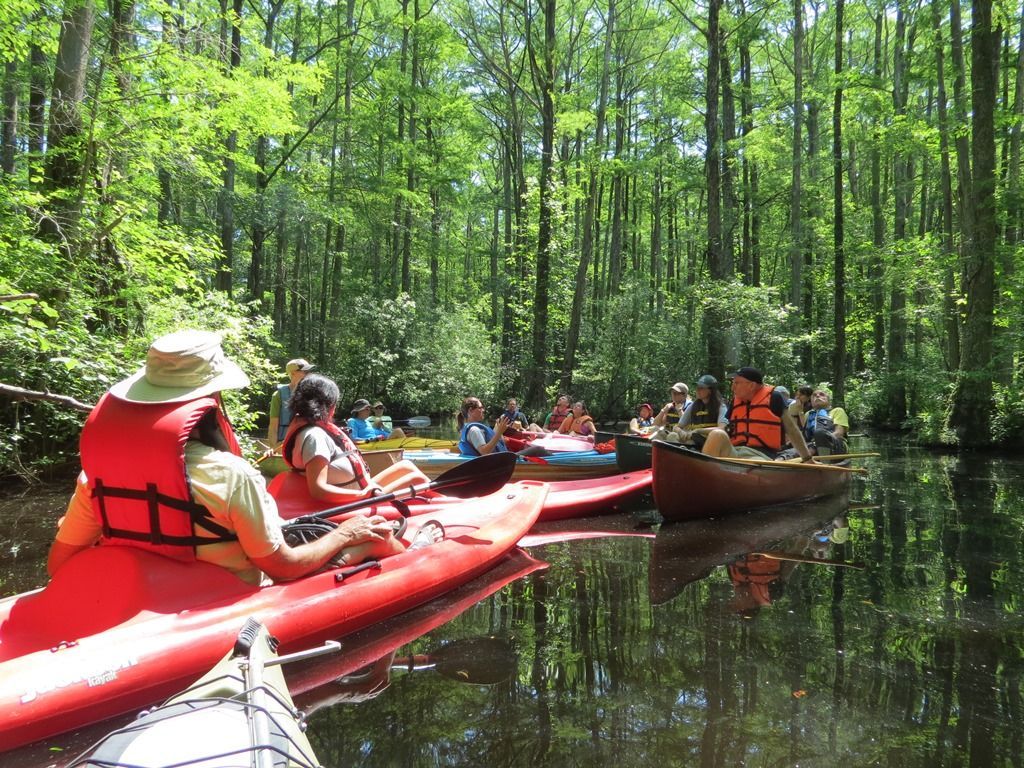
Ecologically, Carolina Bays are incredibly important. Their isolated, rain-fed basins create unique hydrologic conditions that support specialized plant and animal communities. Many bays hold water only seasonally, making them ideal breeding habitats for amphibians such as mole salamanders, marbled salamanders, and barking treefrogs. Because these wetlands often lack fish, amphibian eggs and larvae can develop with less risk from predators.
Plant life within Carolina Bays is just as remarkable. Some bays support pond pine woodlands, while others contain open wetlands rich in sedges, grasses, and carnivorous plants like pitcher plants and sundews. Small changes in elevation, water depth, and fire history can create distinct plant zones within a single bay. Together, these wetlands also provide habitat for birds, reptiles, and countless invertebrates while helping store floodwaters, recharge groundwater, and filter pollutants from water.
Cultural Connections
Carolina Bays are not only ecological treasures—they are also part of the region’s cultural heritage. Indigenous peoples lived among these landscapes for thousands of years, relying on wetlands for food, medicine, and materials. Bays attracted wildlife, provided seasonal water, and supported plants used in traditional practices. Later, European settlers incorporated some bays into agriculture and forestry. Unfortunately, many were drained or altered, leaving lasting impacts on these ecosystems.
A Scientific Mystery
Despite decades of study, the origins of Carolina Bays remain one of geomorphology’s most intriguing puzzles. Their consistent shape and orientation sparked numerous theories over the years—from wind-driven processes during past climate conditions to groundwater dynamics and even extraterrestrial impacts. Today, most scientists agree that Carolina Bays likely formed through natural interactions of wind, water, and sediment during earlier climatic periods. Even so, research continues. These wetlands offer valuable opportunities to study climate history, soil development, hydrology, and ecological succession.
Natural Archives of the Coastal Plain
In many ways, Carolina Bays function as natural laboratories. They preserve records of environmental change over thousands of years while continuing to support vibrant ecosystems today. They are powerful reminders that wetlands are not wastelands, but essential systems that protect biodiversity, improve water quality, and connect us to our natural and cultural history.
Protecting Carolina Bays
Today, many Carolina Bays face growing threats, and some are no longer protected under the Clean Water Act. Protecting these wetlands ensures they remain ecological refuges, cultural touchstones, and scientific resources for future generations.
If you ever have the opportunity to visit a Carolina Bay, take it—you won’t regret it. And remember that most are no longer protected by the Clean Water Act and know that the Carolina Wetlands Association doing everything it can to protect these valuable resources.
If you believe in the importance of protecting Carolina based, consider a donation to Carolina Wetlands Association so we may continue protecting these irreplaceable ecosystems.
You might also like
Celebrating Our Carolina Wetlands