
Winter’s Quiet Prepares Carolina Wetlands for Spring’s Awakening
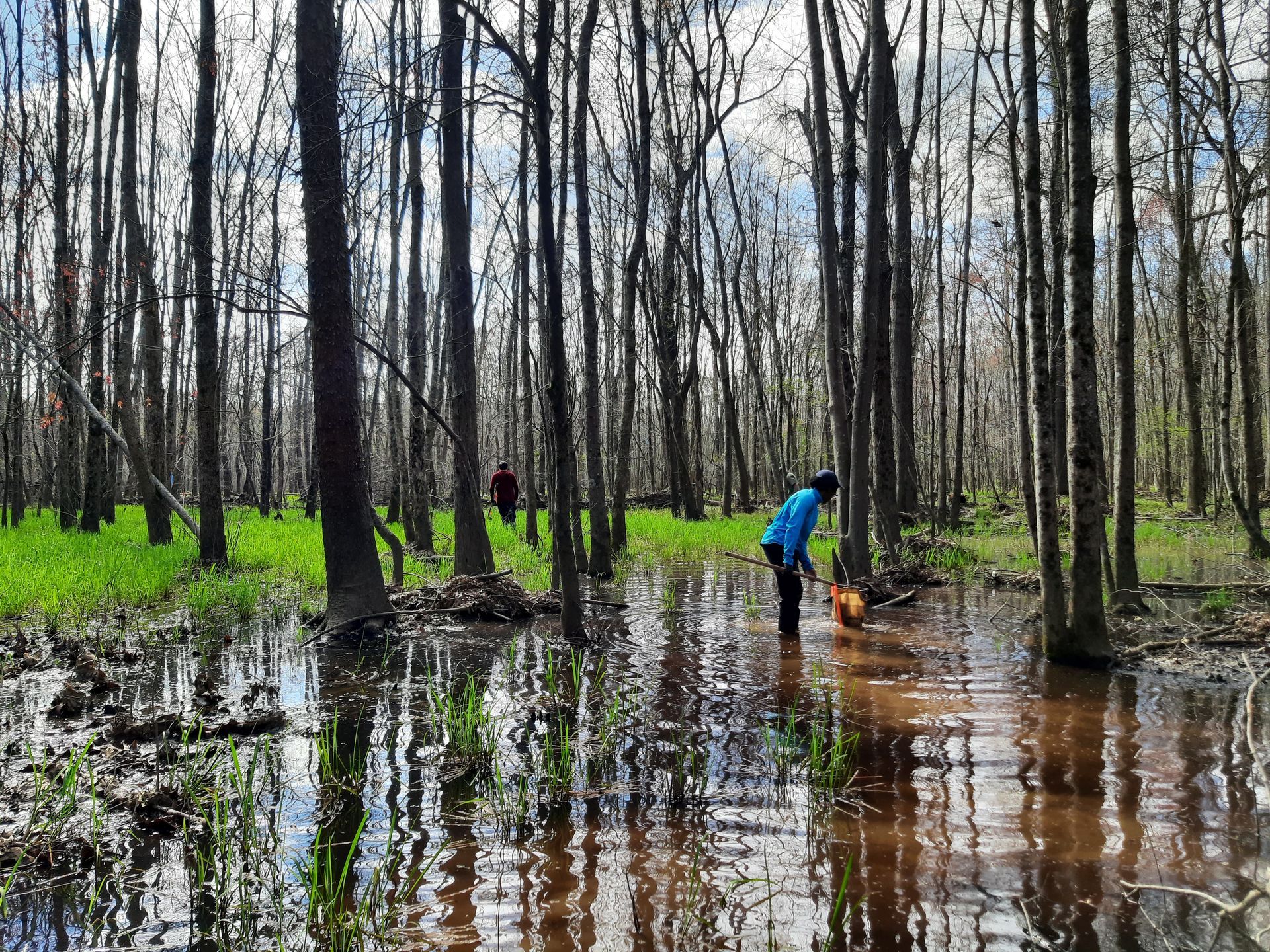
Even during the cold weather we have been experiencing this winter, wetlands are quietly at work. Beneath the surface, wetland soils remain biologically active, and plants store energy in their roots. Wetlands provide refuge and are among the first parts of the landscape to signal seasonal renewal.
Early Voices of Spring: Amphibians on the Move
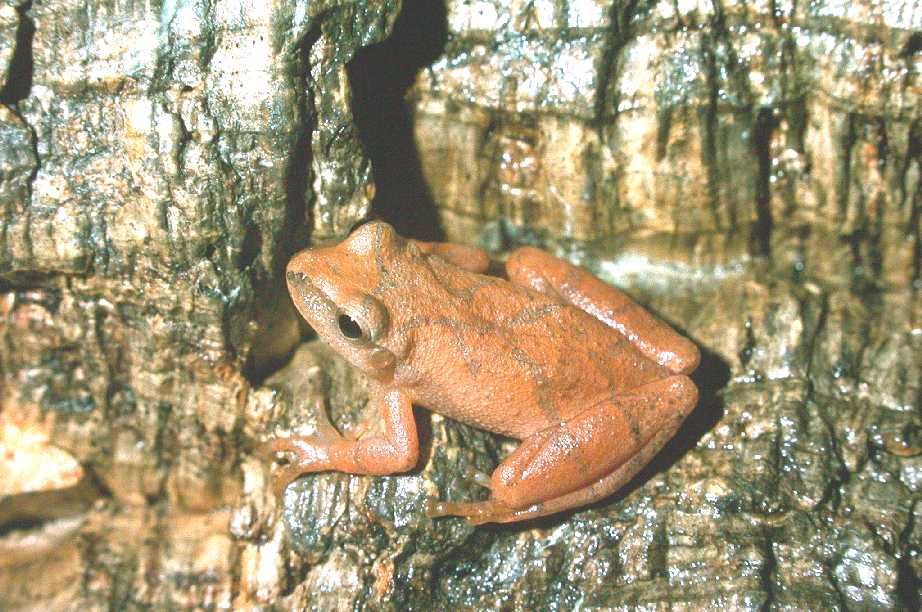
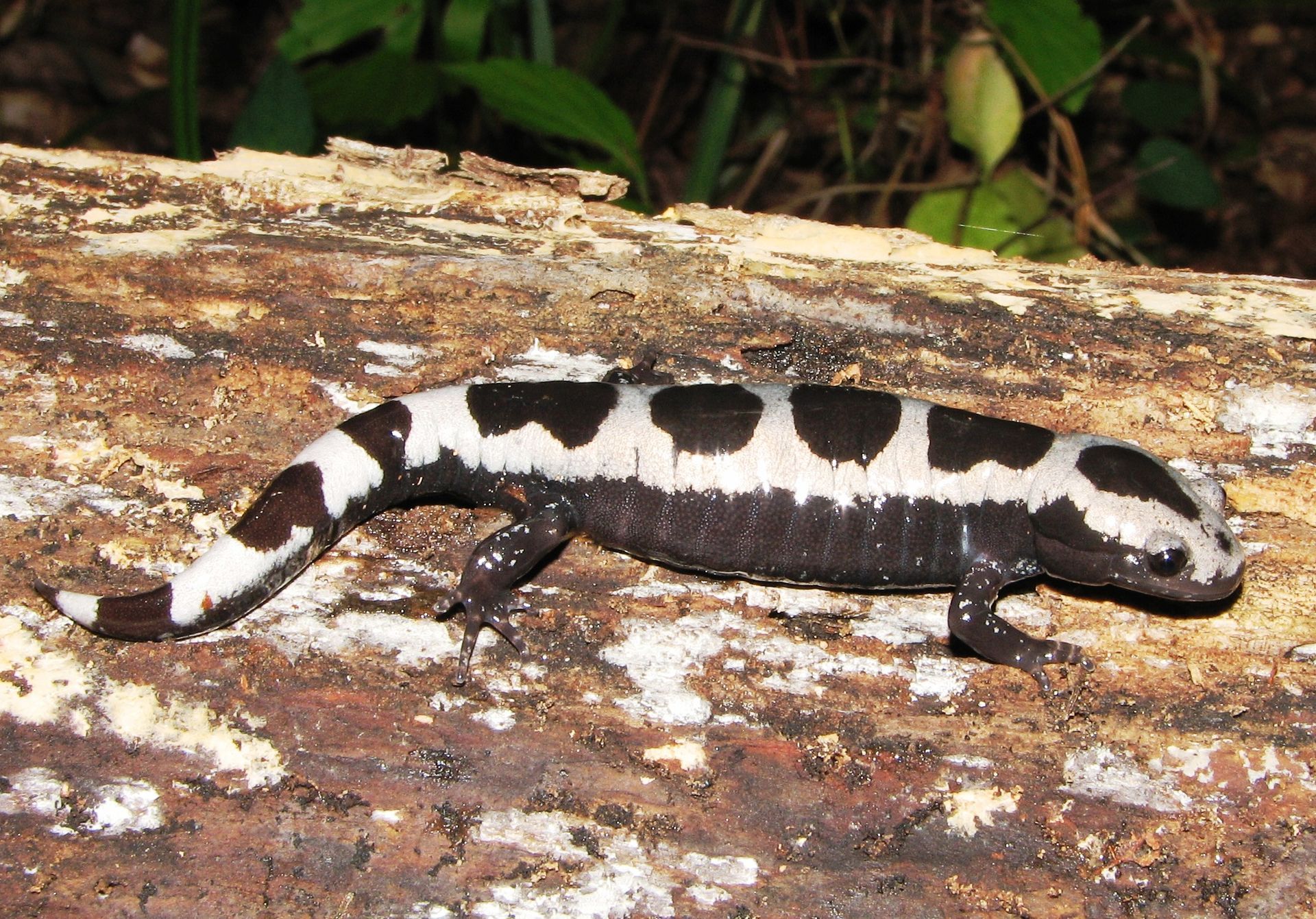
As daylight increases and temperatures rise, one of spring’s most joyful heralds is the sound of amphibians awakening from winter slumber. In ephemeral ponds and forested swamps, the spring peeper (Pseudacris crucifer) announces the season with its whistle-like call. Though tiny, their choruses can carry across the land. Spotted salamanders (Ambystoma maculatum) and marbled salamanders (Ambystoma opacum) also migrate on warm, rainy nights to breed in fish-free seasonal pools.
These early breeders rely on intact wetland hydrology. Seasonal flooding and shallow waters provide safe places for eggs and larvae to develop before wetlands naturally dry in late spring and summer.. Protecting these habitats is essential for maintaining amphibian populations and the broader wetland food web they support.
Spring Flowers: Nature’s First Colors
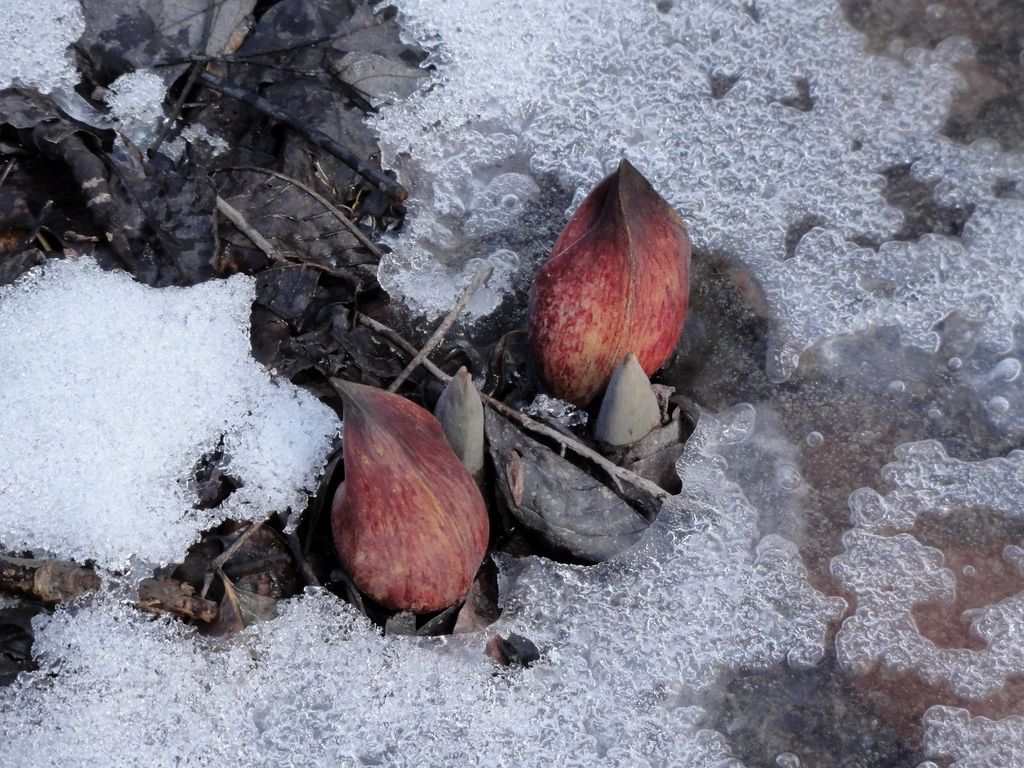
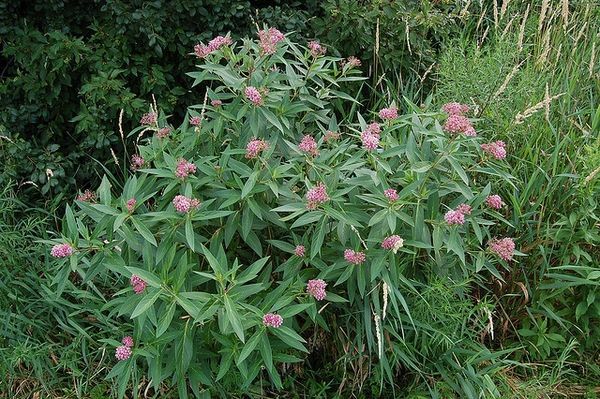
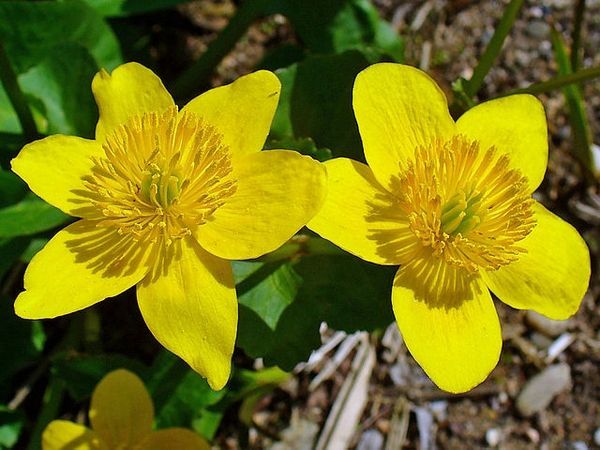
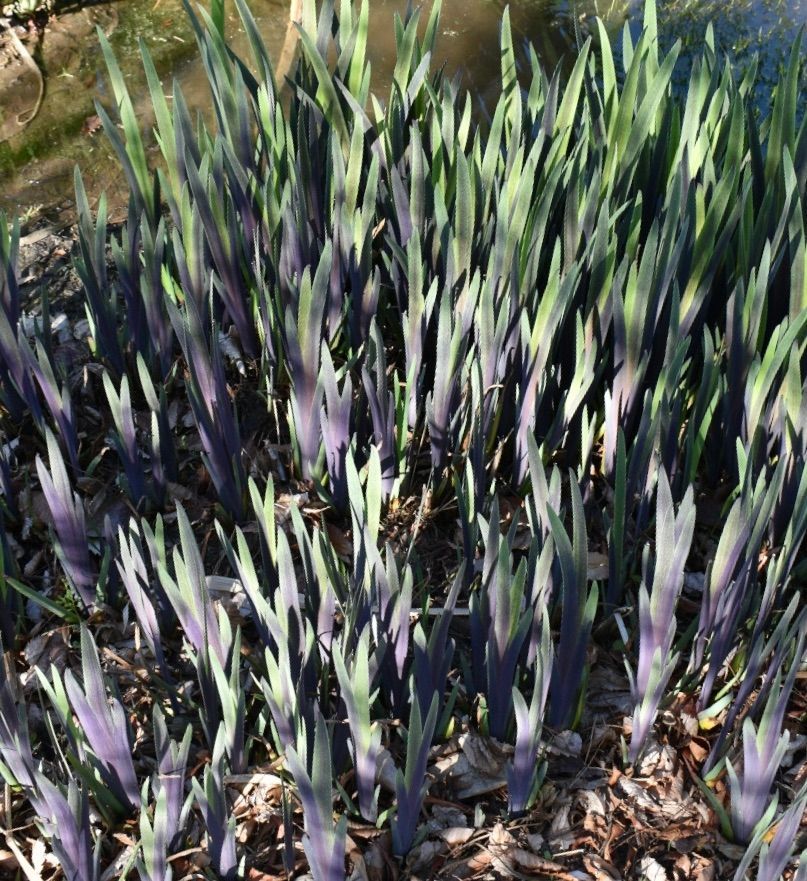
In early spring, wildflowers emerge across wet meadows, floodplain forests, and swamp margins. Skunk cabbage (Symplocarpus foetidus) often pushes through cold soils first, followed by marsh marigold (Caltha palustris), swamp milkweed (Asclepias incarnata), and Virginia iris (Iris virginica). These early emerging plants stabilize soils, filter water, and provide early nectar for insects.
Carolina Wetland Treasures to Visit in Spring
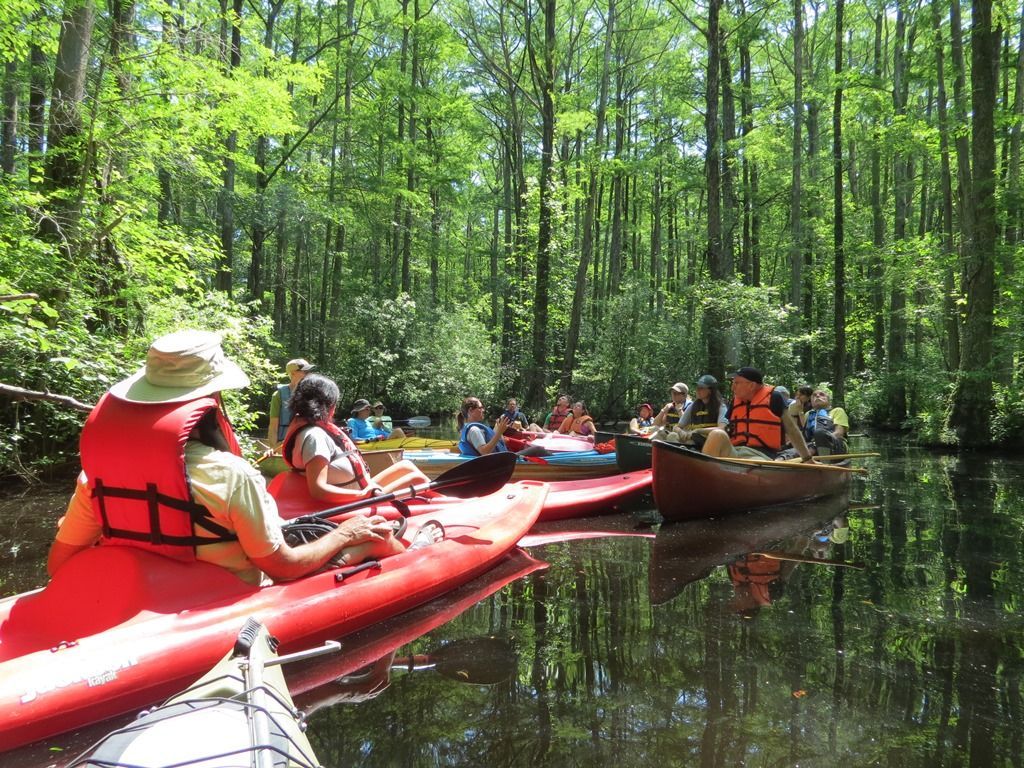
There are many Wetland Treasure Sites across North and South Carolina that you are especially rewarding to visit during late winter and early spring.
- Holly Shelter Game Land (Pender County, NC)
– Contains a mix of pocosins, Carolina bays, and floodplain forests.
- Great Coharie River Wetlands (Sampson County, NC) – Blackwater floodplain forests rich in amphibian habitat.
- Green Swamp Preserve (Brunswick County, NC)
– Home to Venus flytraps, pitcher plants, and unique peatland wetlands.
- Carolina Beach State Park (New Hanover County, NC) – Noted for carnivorous plant wetlands and spring blooms.
- Horseshoe Farm Nature Preserve (Wake County, NC) – A local favorite for wetland walks and early spring wildlife.
- Congaree Swamp (Richmond County, SC) – A riverine swamp forest and bottomland hardwood forest ready to bloom and with hiking trails
- Francis Beilder Forest (Dorchester County, SC) – A Cypress-tupelo swamp, bottomland hardwood forest that will not disappoint with many hiking trails.
Why Wetlands Matters
Winter reminds us that wetlands are systems of patience and resilience, while spring reveals their productivity and life-giving power. Together, these seasons show why wetlands matter and why protecting them year-round is essential for wildlife, water quality, and North Carolina’s natural heritage.
Photo in header: spotted salamanders (Ambystoma maculatum)
You might also like
Celebrating Our Carolina Wetlands