Why Your Support Matters: Protecting Carolina’s Wetlands Together

rick.savage • August 10, 2025

Message from the Executive Director

As Executive Director of the Carolina Wetlands Association, I have the privilege of witnessing firsthand the incredible impact our Association has on preserving and protecting one of the most vital ecosystems in the Southeast—our wetlands. These rich landscapes are more than just beautiful backdrops to our lives; they are the lifeblood of biodiversity, clean water, natural resilience (flood control), and cultural heritage across North and South Carolina. But the truth is: we cannot do this work alone.


🌿 Wetlands Are Essential—And Under Threat

Wetlands are nature’s unsung heroes. They filter pollutants from our water, buffer communities from flooding, store carbon to combat climate change, and provide critical habitat for countless species. Yet, despite their importance, wetlands continue to be drained, degraded, and dismissed.


Every year, we lose more wetland acreage to development, pollution, and climate pressures. And with each acre lost, we lose a piece of our natural defense system, our wildlife corridors, and our shared legacy.


💧 What We Do—And Why It Matters

At Carolina Wetlands Association, we work tirelessly to:

  • Advocate for wetland-friendly policies at the local, state, and federal levels.
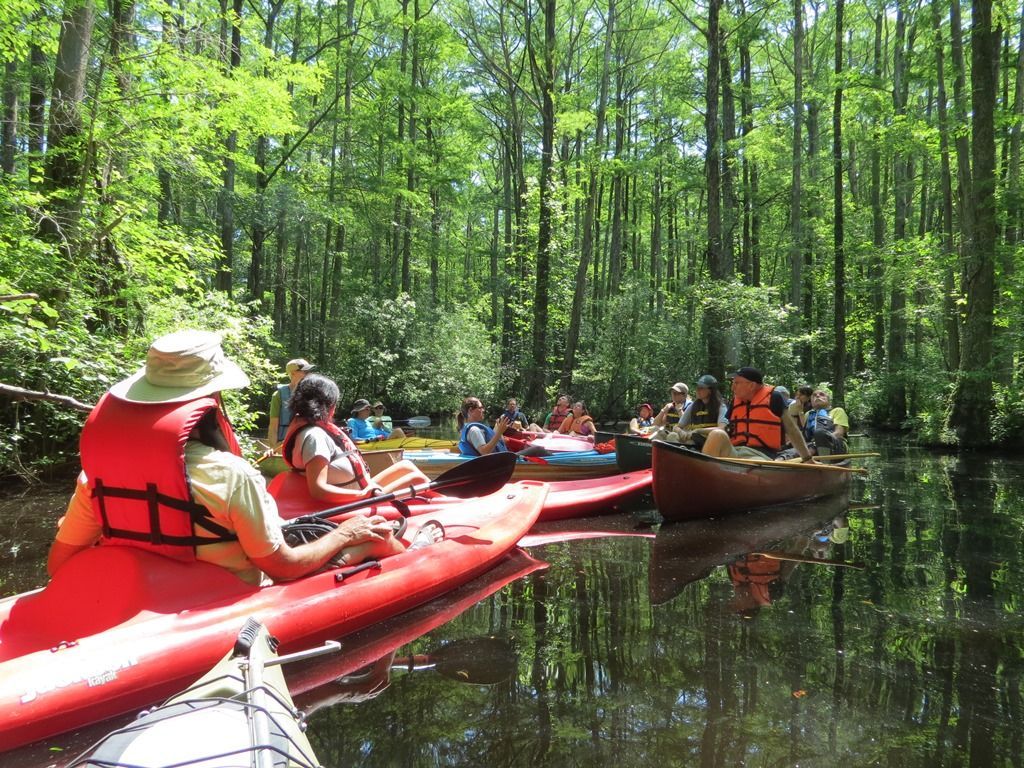
  • Educate communities through workshops, field trips, and public outreach.
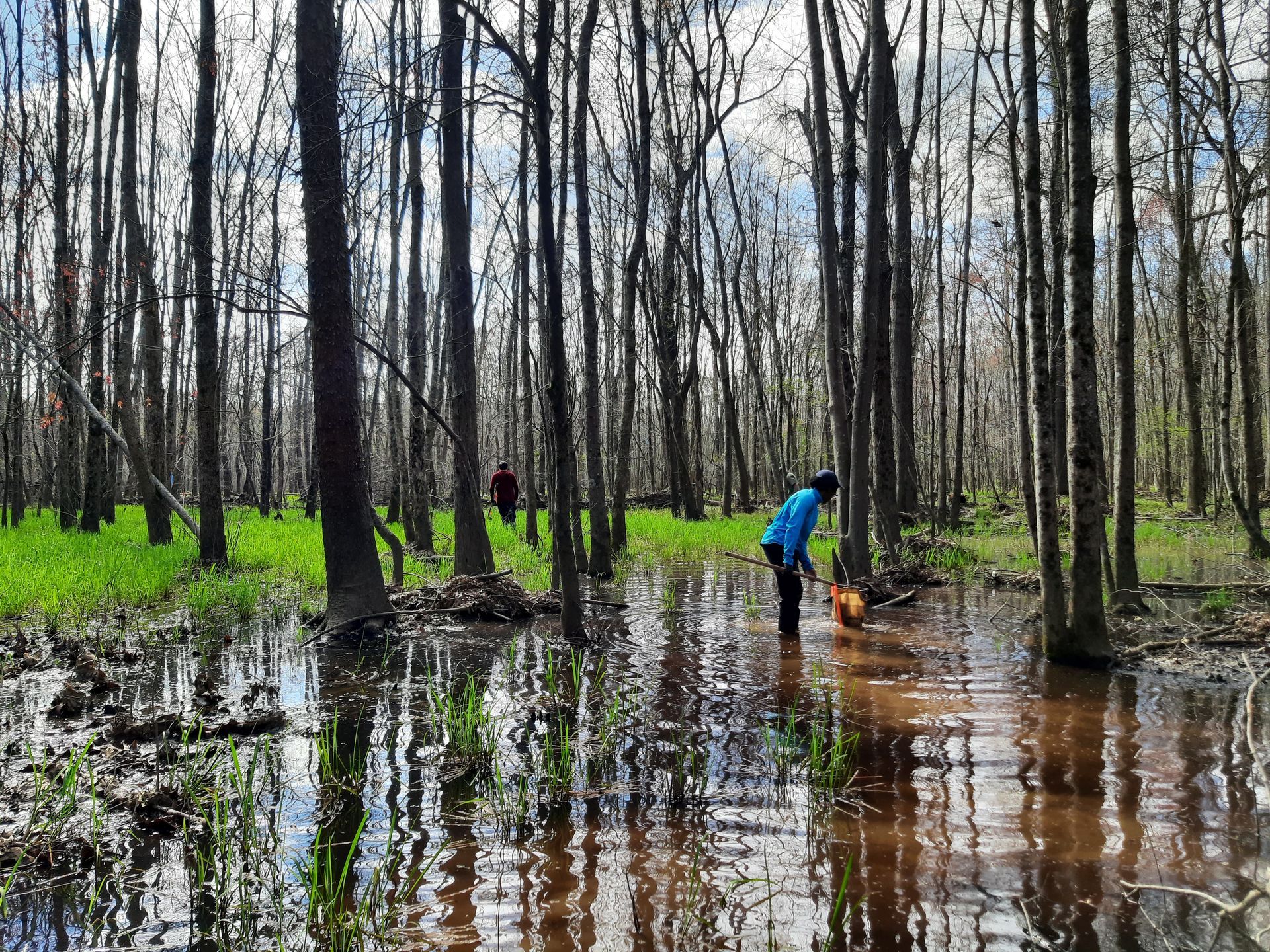
  • Support citizen science and stewardship to empower people to protect wetlands in their own backyards through our Volunteer Wetlands Monitoring Program.
  • Conduct research and restoration projects that bring science and action together in working with vulnerable communities to restore wetlands to mitigate flooding.
  • Community Engagement: Our work isn't just about the land; it's about the people who live, work, and play in these communities. Your donations help us organize volunteer events, workshops, and guided nature walks. By bringing people closer to wetlands, we foster a deeper appreciation and a stronger sense of stewardship.

Our work is grounded in collaboration—with landowners, educators, scientists, and volunteers. But behind every successful initiative is a network of supporters who believe in our mission and invest in our future.


💸 Why Financial Contributions Are Critical

We understand that giving is a personal decision. But here’s why your financial support is not just appreciated, it’s essential:

  • We are a nonprofit organization with no guaranteed funding. Every dollar we receive goes directly toward programming, outreach, and conservation efforts.
  • Your contributions allow us to grow—to reach more communities, train more volunteers, and expand our impact across the Carolinas.
  • Funding helps us respond quickly to emerging threats, whether it’s a proposed development in a sensitive wetland area or a new policy that could undermine protections.


Simply put: your donation is an investment in clean water, climate resilience, and a healthier future for all.


🌎 A Shared Responsibility, A Shared Reward

We often say that wetlands don’t have a voice—but we do. And with your help, we can speak louder, act faster, and protect more.

Whether you’re a longtime supporter or new to our work, your financial contribution makes you a vital part of this movement. It tells decision-makers that wetlands matter. It tells communities that someone is fighting for their safety and sustainability. And it tells future generations that we cared enough to preserve what matters most.


🙌 How You Can Help

  • Make a one-time or recurring donation through our website.
  • Sponsor a specific program or event that aligns with your values.
  • Encourage your workplace to match your gift or become a corporate partner.
  • Share our mission with friends and family—awareness leads to action.

Every gift, no matter the size, helps us move the needle. And every supporter becomes part of a legacy of stewardship and hope.


💚 Thank You for Standing With Us

We are deeply grateful for the passion, energy, and generosity of our community. Together, we’ve made incredible strides—but there is still so much to do. With your financial support, we can continue to protect the wetlands that protect us.

Let’s keep this momentum going. Let’s ensure that Carolina’s wetlands remain vibrant, resilient, and revered for generations to come.


With gratitude and determination, 

Rick Savage

Executive Director Carolina Wetlands Association


We can't do this alone. Click here to donate or volunteer.

You might also like

Celebrating Our Carolina Wetlands
Forested wetland with surface water present
By rick.savage August 3, 2026
North and South Carolina is starting to recover from one of the most severe droughts in recent history. Drought covered essentially both states with reservoirs like Falls Lake and Jordan Lake dropping well below normal and cities including Raleigh and Durham enacting mandatory water restrictions. While the drought is largely over (given the second wettest July on record), I still think it is important to understand how wetlands mitigate droughts because the bottom line is drought impacts would be a lot worse without wetlands.
By rick.savage July 7, 2026
July is Lakes Appreciation Month, an annual celebration led by the North American Lake Management Society (NALMS) to recognize the many ways lakes enrich our lives—from providing drinking water and recreation to supporting wildlife and local economies. It is also an ideal time to recognize one of a lake’s most important, yet often overlooked, partners: lacustrine wetlands. When many people picture a lake, they imagine open water stretching to the horizon. But healthy lakes are much more than open water. Around their shorelines lies a dynamic transition zone where land and water meet. These shallow, vegetated areas are known as lacustrine wetlands, and they are among the most productive ecosystems in the Carolinas. What’s the Difference Between a Lake and a Wetland? Although they are closely connected, lakes and wetlands are not the same. A lake is generally a body of open water deep enough that sunlight cannot always reach the bottom. In contrast, a wetland is defined by the presence of water at or near the surface long enough to support hydric soils and plants adapted to saturated conditions. Lacustrine wetlands occupy the shallow margins of lakes where water levels fluctuate seasonally. Because sunlight reaches the bottom, these areas support an abundance of native aquatic plants such as pickerelweed, arrowhead, bulrushes, and water lilies. Rather than competing with lakes, these wetlands help lakes function as healthy ecosystems. Think of them as the lake’s living shoreline. Nature’s Water Filter Before rainwater reaches a lake, it often flows through wetlands. Along the way, wetland plants slow runoff, trap sediment, absorb excess nutrients, and filter pollutants. This natural treatment system helps improve water clarity and reduce harmful algal blooms. The same wetlands also soften the impacts of floods by temporarily storing stormwater and slowly releasing it after heavy rains. As we have discussed in recent newsletters, healthy wetlands provide one of our most cost-effective defenses against flooding while protecting downstream communities. A Haven for Wildlife Lacustrine wetlands are biodiversity hotspots. Their shallow waters provide spawning and nursery habitat for fish, breeding grounds for amphibians, nesting areas for turtles, and feeding habitat for wading birds. Dragonflies patrol above the vegetation while pollinators visit native flowering plants along the shoreline. Many species spend their entire lives within these wetlands, while others depend on them during critical stages of migration or reproduction. Remove the wetland, and the lake loses much of the biological richness that makes it special. Carolina’s Lake-Associated Wetlands Across North and South Carolina, remarkable lake-associated wetlands demonstrate this close relationship between lakes and wetlands. The majestic cypress-gum swamps surrounding Lake Waccamaw create habitat for rare plants and animals found nowhere else. The extensive shoreline wetlands of Lake Mattamuskeet, the largest natural lake in North Carolina, support hundreds of thousands of migratory waterfowl each winter. Reservoirs such as Jordan Lake , Falls Lake , and Lake Norman also contain valuable coves, embayments, and shallow wetlands that provide wildlife habitat while improving water quality. Closer to home, many neighborhood lakes, farm ponds, and municipal reservoirs include wetland fringes that quietly perform these same ecological services every day. While these wetlands may seem ordinary, together they form an important network that benefits both people and wildlife. Some of our Wetland Treasures such as Merchants Millpond , Robertson Millpond , and Phelps Lake Shoreline are Lacustrine wetlands. Appreciating the Whole Ecosystem As you celebrate Lakes Appreciation Month, take a moment to look beyond the open water. Notice the cattails swaying along the shoreline, the chorus of frogs after sunset, the great blue heron stalking fish in the shallows, or the dragonflies darting among the lilies. Those vibrant edges are not simply the border of a lake—they are an essential part of the ecosystem. Protecting lakes means protecting the wetlands that surround them. Together, they improve water quality, reduce flooding, support biodiversity, and provide countless opportunities for recreation, education, and inspiration. At the Carolina Wetlands Association, we believe that every wetland matters—whether it borders a coastal marsh, a forested swamp, or a favorite Carolina lake. This July, as we celebrate Lakes Appreciation Month, let’s appreciate these remarkable partnerships between lakes and wetlands and continue working to conserve them for future generations. What is your favorite lake with beautiful wetlands? Share your photos and stories with the Carolina Wetlands Association and help us celebrate the wetland treasures that make our Carolina lakes so special. So go out and explore a wetland at your favorite lake or at one of our Wetland Treasures and remember that Carolina Wetlands Association is actively working to protect all wetlands. Your support is always appreciated. Rick Executive Director Carolina Wetlands Association
By Becky Ryon July 4, 2026
Buffers and Setback adopted by Cities and Towns