🎉 Celebrating 10 Years of Carolina Wetlands: A Look Back—and Ahead 🌿
Well, 2025 marks the 10-year anniversary of the Carolina Wetlands Association—and what a journey it has been! It’s the perfect time to pause, reflect on how far we’ve come, and think about where we’re going. And most importantly, to recognize just how vital your support has been—and continues to be.
🌊 Resilience and Restoration: A Focus on Flooded Communities
More recently, our focus has shifted toward the communities most vulnerable to flooding along our rivers and coastal plain. Through our work with North Carolina’s RISE Program and the Flood Resiliency Blueprint, we’ve been able to plan and support wetland restoration projects in Harnett, Robeson, and Pitt Counties—alongside incredible partners like the Lumbee Tribe.
We also extended our efforts beyond North Carolina. A small grant allowed us to begin working with Bucksport, South Carolina—a community facing similar flooding challenges.
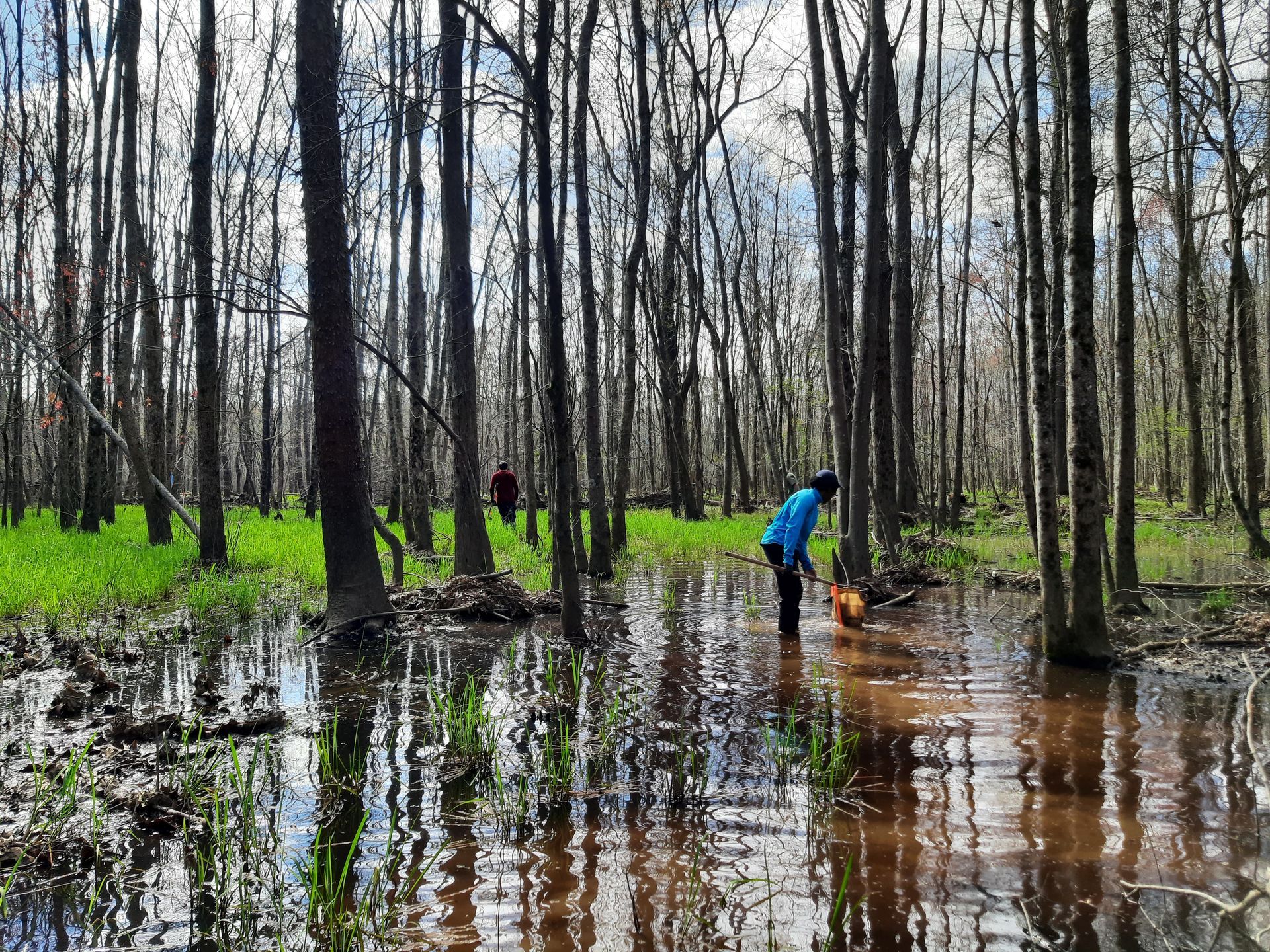
And our Volunteer Wetlands Monitoring Program has grown too! It now includes sites in the NC mountains (Kanuga Bog in Henderson), and two in South Carolina (Lewis Ocean Bay in Horry County and Riverbanks Zoo and Garden in Columbia), plus a new site in Wake County.
💚 What We Need Now: Your Support Matters
All this progress has been possible because of you—our community of supporters, partners, and volunteers. But as we look to the next 10 years, we face new challenges.
Wetlands in the Carolinas have never been more threatened. Protections are weaker, while pressures from development and climate change are growing.
To meet these challenges, we need more than project funding. We need support for our critical policy work, research like our State of the Wetlands Report, white papers on wetland value, and education and outreach efforts that make our mission real to more people.
These activities often aren’t covered by grants—and that’s where your help makes all the difference.
🐸 Join Us in Protecting What Matters
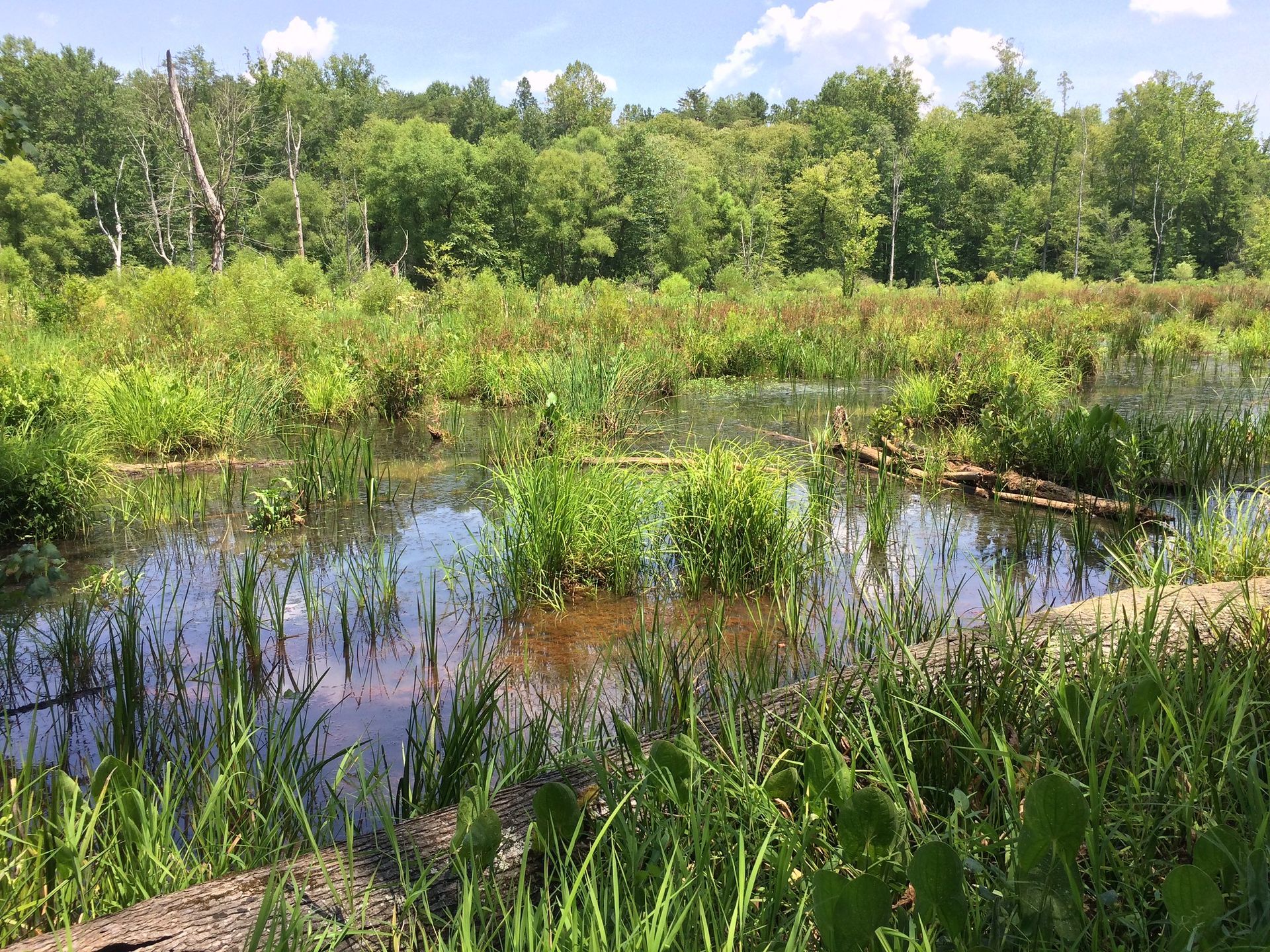
So take some time this summer to visit your favorite wetland—breathe in that earthy smell, listen to the frogs and birds, and remember why this matters.
If you’d like to support our mission—or just have questions—please don’t hesitate to reach out to me directly at rick.savage@carolinawetlands.org.
From all of us at the Carolina Wetlands Association, Thank you for believing in wetlands. Thank you for believing in us. Here’s to the next 10 years!
You might also like
Celebrating Our Carolina Wetlands