Celebrating 10-years of Wetland Treasures Program

chase.bergeson • October 16, 2026

A Decade of Celebrating Carolina's Wetland Treasures

This year we are marking the tenth-year anniversary of the designation of Wetland Treasures of the Carolinas in the pioneer class of 2016. We are working with the site managers to schedule events for the public at their wetland preserves. We are also reaching out to local organizations to renew appreciation for the values their Wetland Treasure provide to the community. Sign up for a tour below!


The Carolinas have an abundance of wetlands ranging from high altitude bogs in the western mountains to tidal marshes in the coastal lowlands. Some types are especially suited to Carolina landforms, including Carolina Bays in elliptical depressions and Pocosins on elevated hummocks. As part of its work to increase public awareness of and appreciation for wetlands, the Carolina Wetlands Association in 2016 established a Wetland Treasures of the Carolinas program to identify premier sites that have regional, national and even international importance.
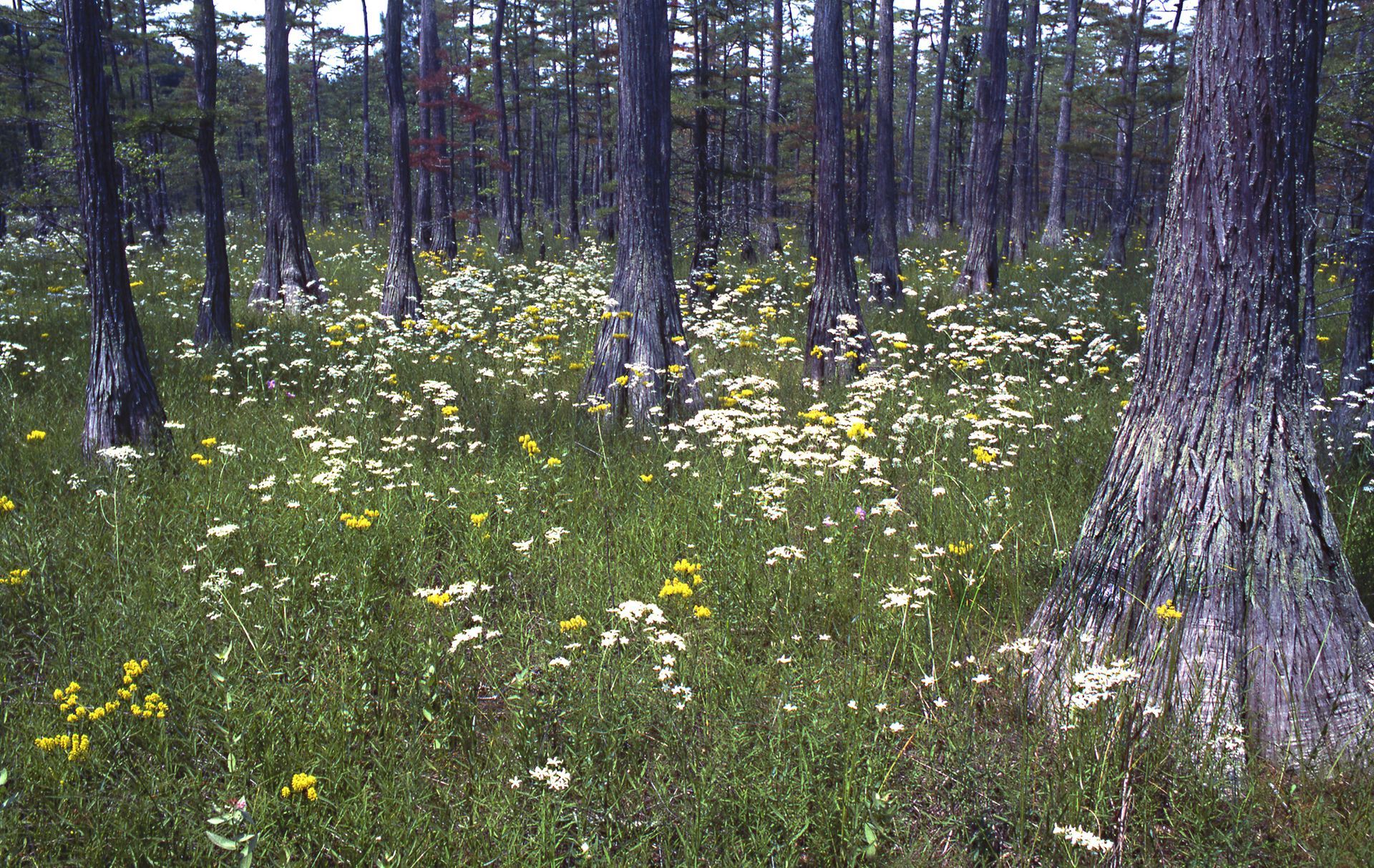
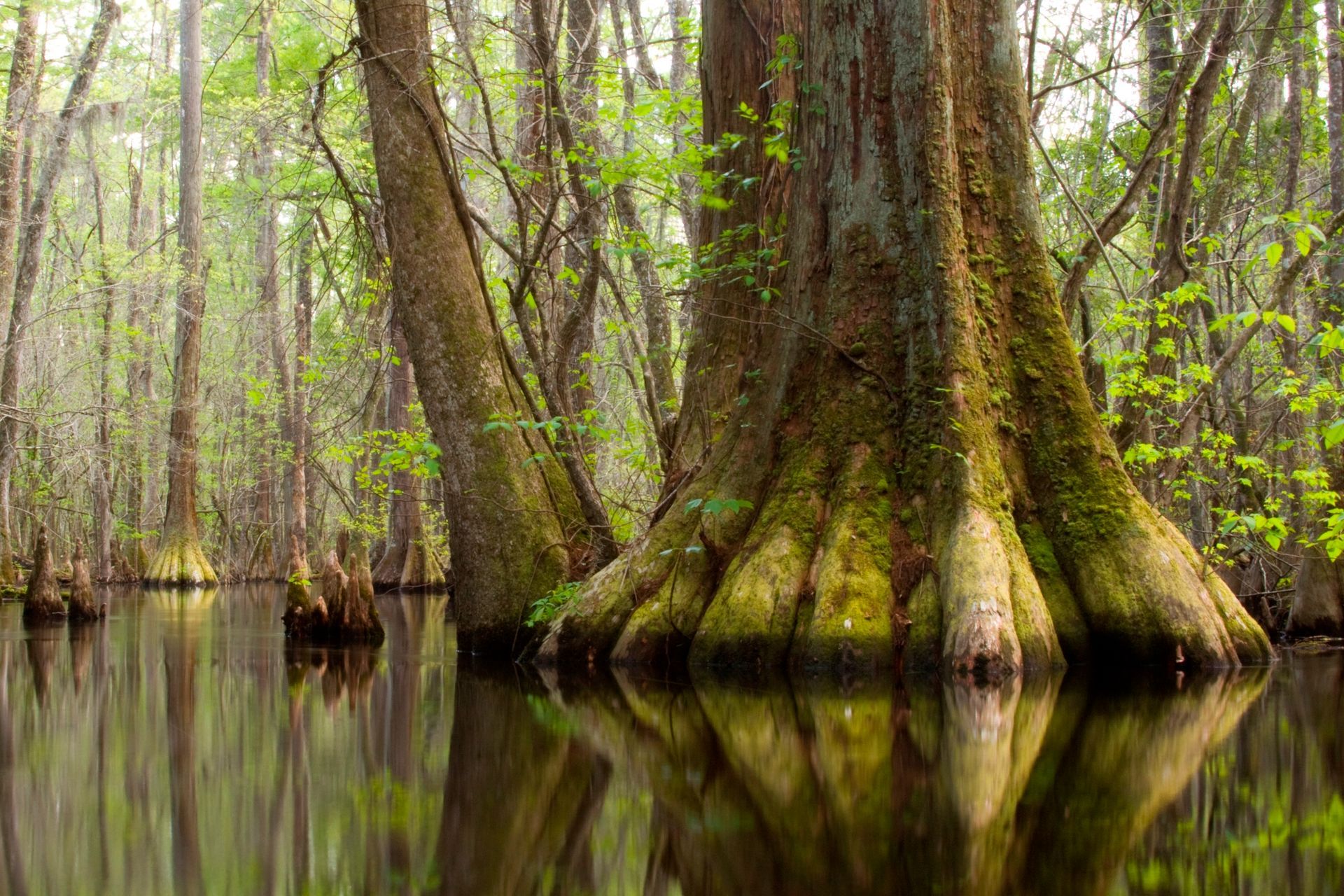
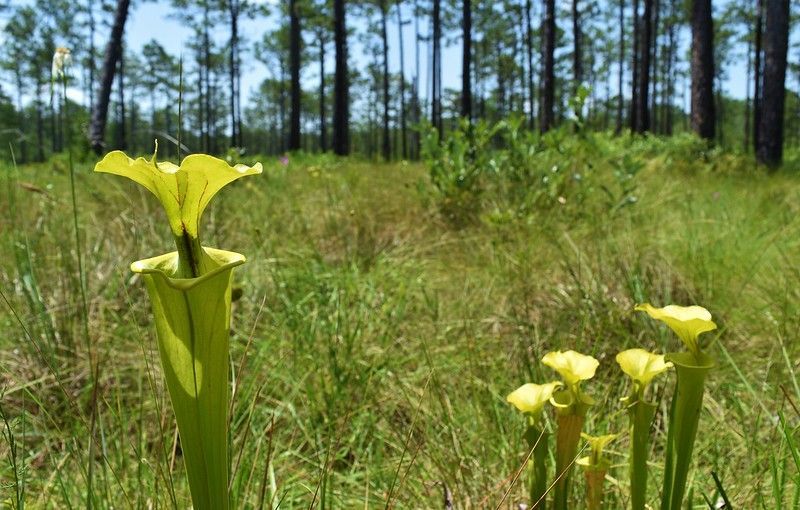
2016 Class of Wetland Treasures of the Carolinas

  • Antioch Bay in Hoke County, NC (owned by The Nature Conservancy) is considered the finest example of the rare savanna natural community in North Carolina.
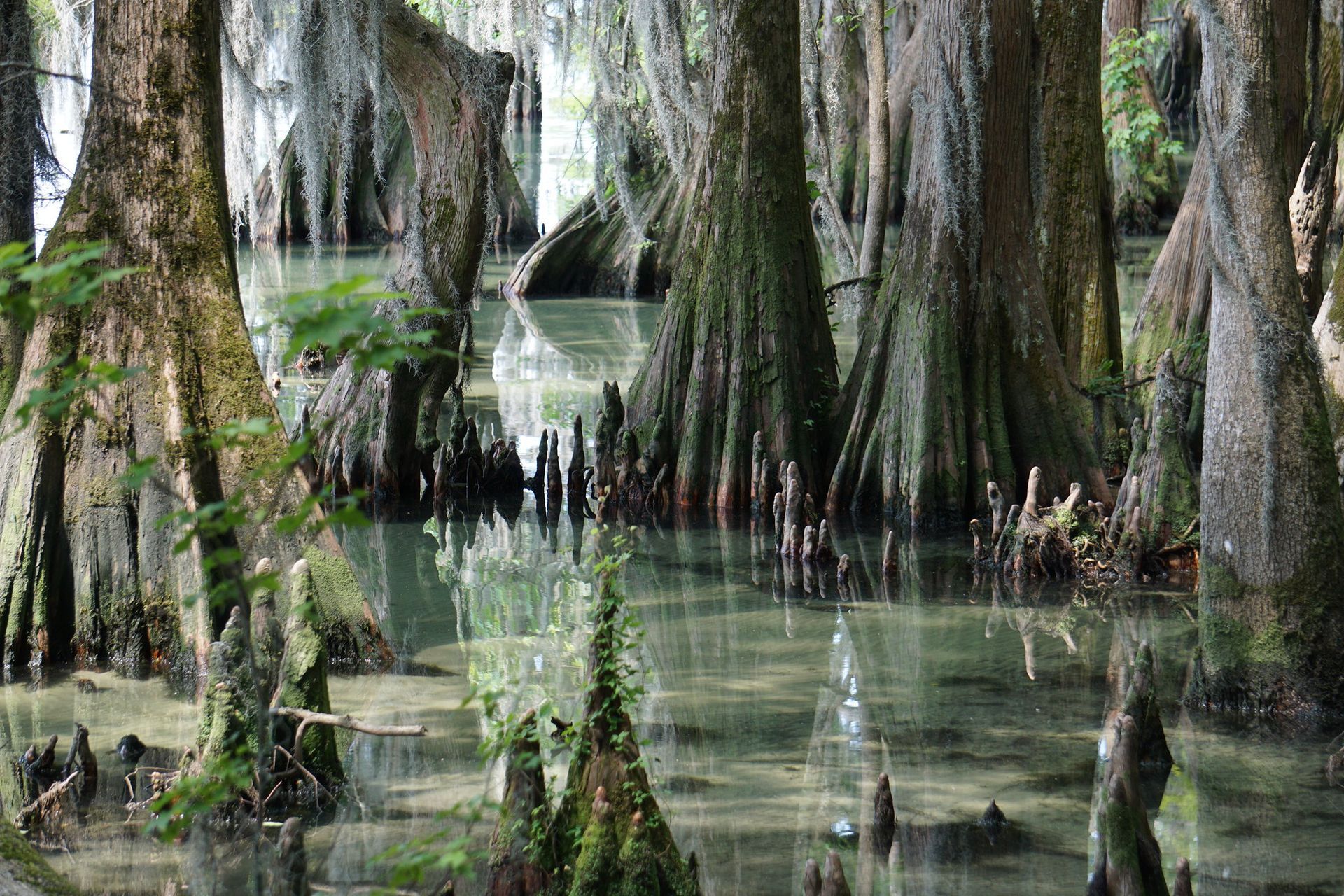
  • Francis Beidler Forest in Dorchester County, SC (owned by National Audubon Society) has the largest remaining stand of virgin bald cypress and tupelo gum swamp forest remaining in the world.
  • Green Swamp in Brunswick County, NC (owned by The Nature Conservancy) is nationally significant, containing five different wetland types. Its history includes periodic burning by Native Americans to sustain this fire-dependent ecosystem.
  • Mason Farm Wetlands in Orange County, NC (owned by the North Carolina Botanical Garden, part of UNC Chapel Hill) is the largest tract of mature bottomland hardwood forest remaining in the Piedmont with trees that are over 300 years old.
  • Phelps Lake Shoreline in Washington County, NC (owned by the North Carolina Division of Parks and Recreation) is a rare cypress and willow forest, with old-growth bald cypress trees more that ten feet in diameter.


Join Us for a Tour - Space is Limited


November 6, 2026: Antioch Bay

Enjoy a short guided tour of a unique Carolina Bay. Learn about hydrology, history, ecology, and more. This tour will offer 2 accessible TrackChairs.

Antioch Bay - Nov. 6

November 7, 2026: Green Swamp

Enjoy a short hike through one of North Carolina’s most diverse landscapes. The Green Swamp Preserve is home to a vast pocosin swamp as well as unique wet pine savannas. The hike will take us through a fire maintained longleaf pine savanna where we may be able to see some of the last blooms of the season. The hike will be guided by Zach West, Stewardship Manager for TNC’s Southeast Coastal Plain office. Topics will include fire ecology, land management practices, history, and what makes the Green Swamp a wetland treasure. Trail conditions can be wet and muddy depending on recent rain, please plan accordingly. There will be two tour times, so save your spot now!

Green Swamp - 10am Green Swamp - 12:30pm

The events are free, but donations are always appreciated.

You might also like

Celebrating Our Carolina Wetlands
By kim.matthews • October 7, 2026
On September 9, 2026, the U.S. Environmental Protection Agency (EPA) and the U.S. Army Corps of Engineers issued a supplemental notice of proposed rulemaking (SNPRM) offering additional ways to define “waters of the United States” (WOTUS). Why this definition matters The WOTUS definition determines which water bodies the federal government can protect under the Clean Water Act. In November 2025, the agencies proposed revisions to bring the definition in line with the Supreme Court’s 2023 decision in Sackett v. EPA. After taking public comments, they have now put forward further options. The new proposal narrows federal jurisdiction even more, potentially stripping protections from the vast majority of U.S. wetlands and seasonal streams. What our comment letter says The Carolina Wetlands Association is submitting comments opposing the proposal. Our main concerns: It would undermine the Clean Water Act’s purpose. The law’s goal is to restore and maintain the chemical, physical, and biological integrity of the nation’s waters. This proposal would severely undercut that goal. The “days of water” test is a poor measure. The proposal decides jurisdiction by how many days a year water is present. That number correlates poorly with a waterway’s ability to carry pollution downstream to the rivers, lakes, and estuaries that would stay protected. Streams dry for as few as 30 days a year could lose protection, and polluters would have an incentive to discharge into them rather than into protected waters. Drinking water is at risk. About 56% of North Carolina’s stream miles feeding public drinking water systems are intermittent, ephemeral, or headwater streams. In South Carolina the figure is 51%. These systems serve 6.6 million people, who would bear higher health risks and treatment costs. Wetlands do critical work. They filter pollutants and nutrients that cause algal blooms, dead zones, and fish kills. Losing that function would also degrade groundwater, which many people drink untreated. The legal reasoning is flawed. We argue the agencies misread the Supreme Court’s language. “Relatively permanent” describes geographic features such as streams with defined beds and banks. The word “continuously” modifies “flowing” and doesn’t limit what counts as relatively permanent. It would be hard to implement. Many affected streams have no data showing how many days they lack surface water. That makes the rule difficult for agencies to administer and leaves landowners unable to tell whether the Clean Water Act applies to their property. The impacts haven’t been analyzed. The agencies should not finalize a rule before measuring the added pollution flowing from newly unprotected waters into those that supply drinking water, or projecting the resulting damage to downstream uses. What you can do Read the SNPRM Submit your comment by October 9, 2026, under Docket ID No. EPA–HQ–OW-2025-0322 . Personal stories about the streams, wetlands, and drinking water you depend on are especially effective. Learn more: read the comments we submitted on the November 2025 version of the rule, many of which still apply.
By kim.matthews • September 2, 2026
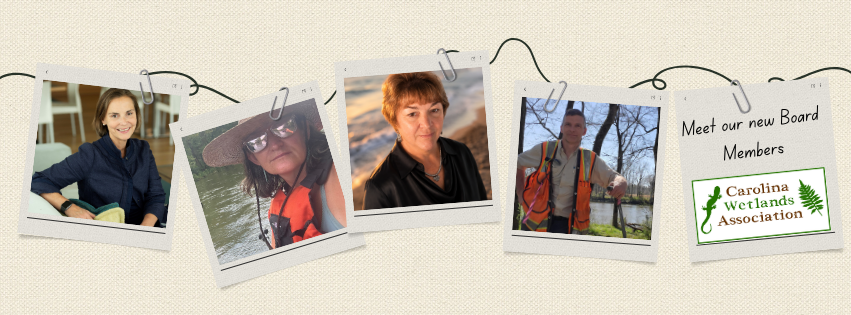
Welcoming New Members to the Carolina Wetlands Association Board
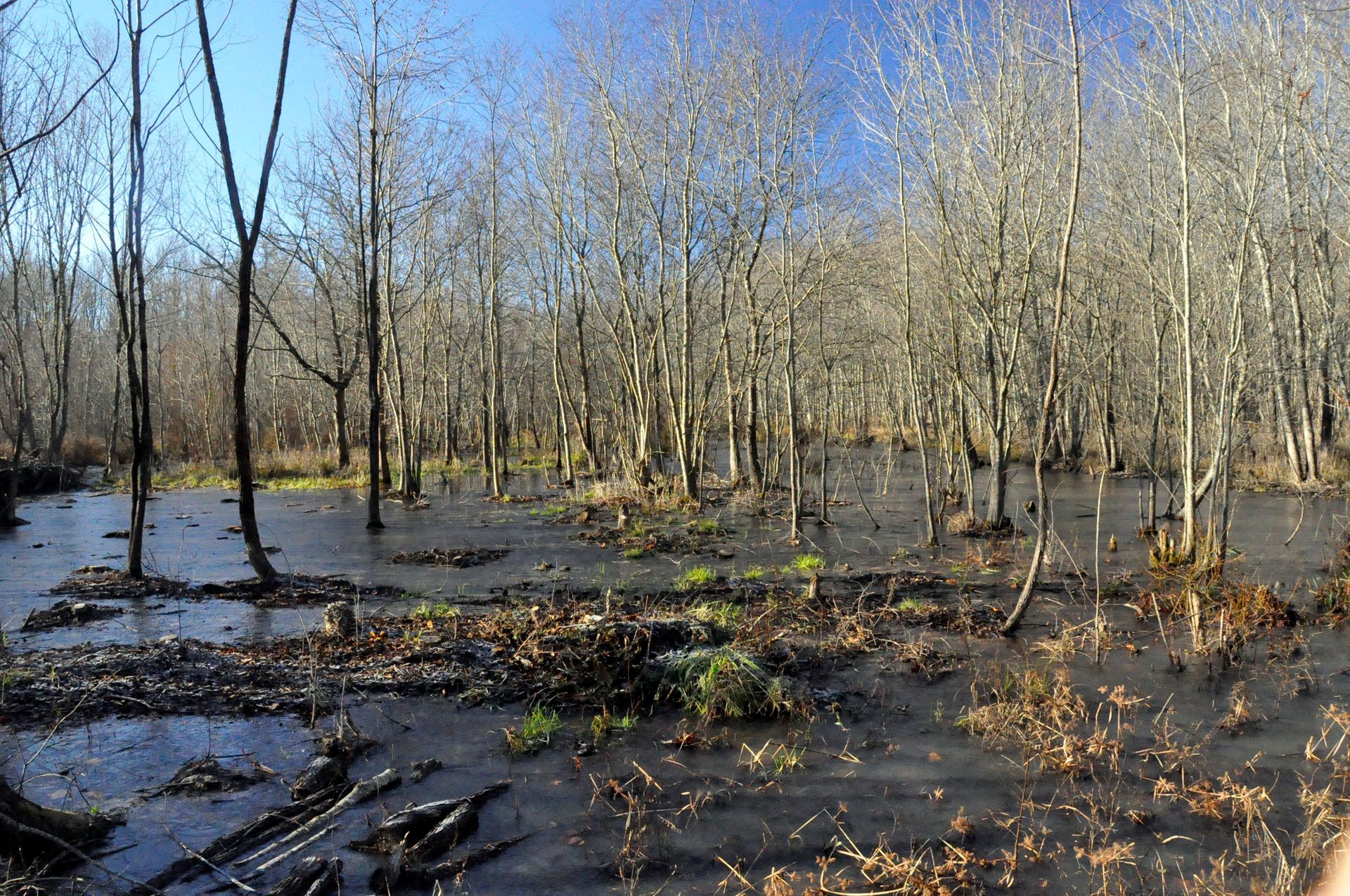
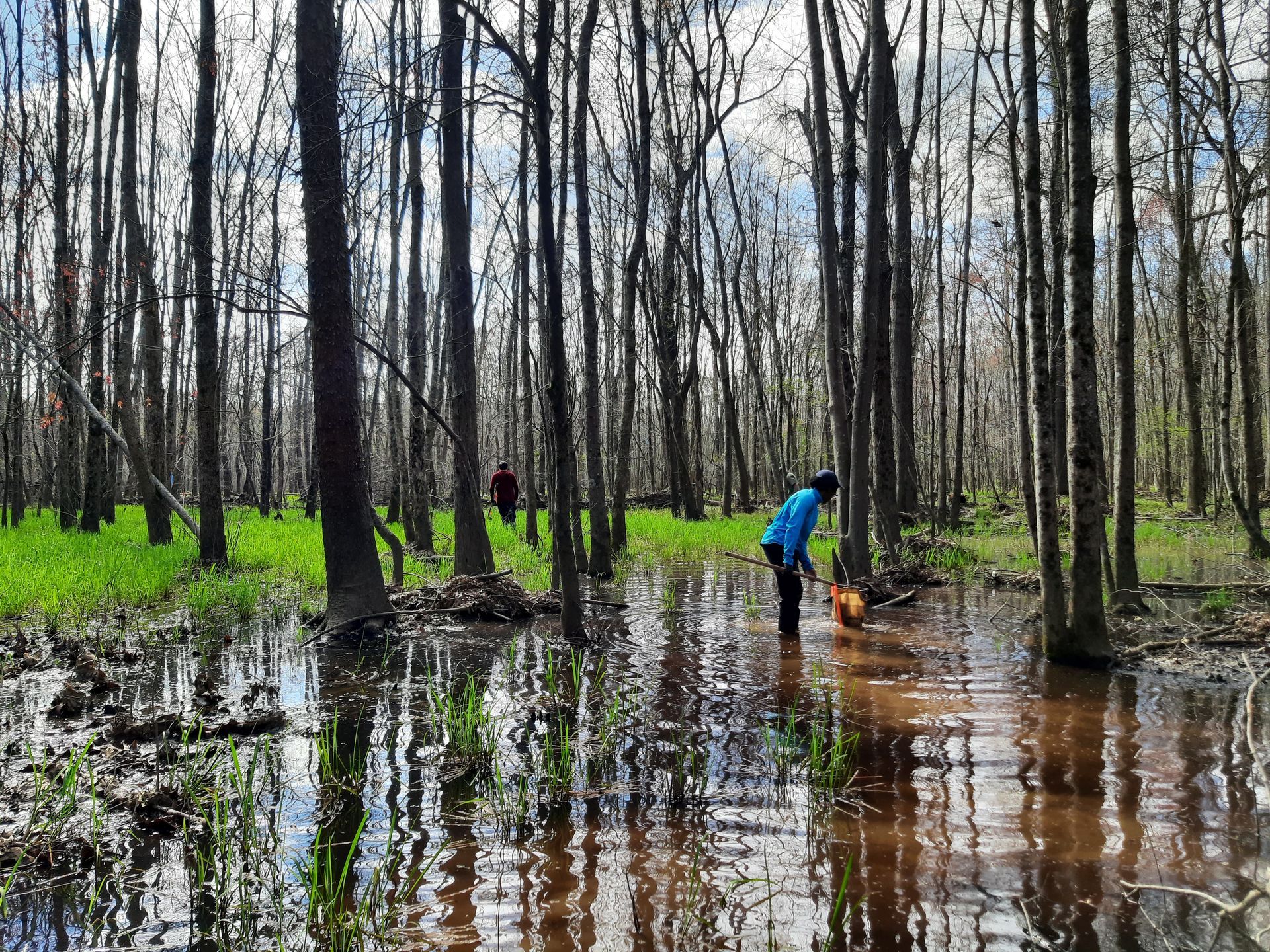
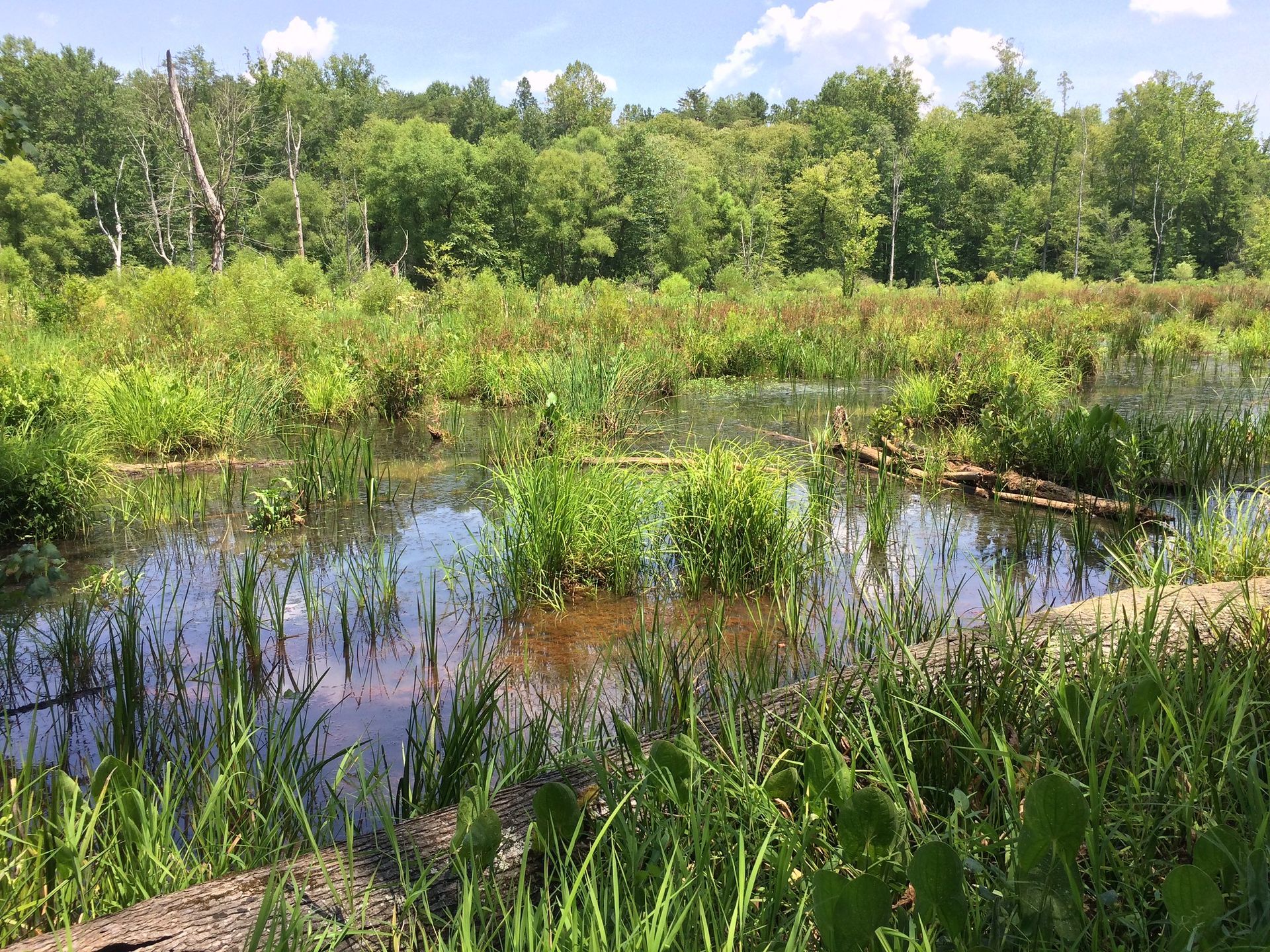
Forested wetland with surface water present
By rick.savage • August 3, 2026
North and South Carolina is starting to recover from one of the most severe droughts in recent history. Drought covered essentially both states with reservoirs like Falls Lake and Jordan Lake dropping well below normal and cities including Raleigh and Durham enacting mandatory water restrictions. While the drought is largely over (given the second wettest July on record), I still think it is important to understand how wetlands mitigate droughts because the bottom line is drought impacts would be a lot worse without wetlands.