New WOTUS Rule: Means Loss of Federal Wetland Protection
Challenging Start to 2026
This year begins at a challenging moment for wetlands conservation. Wetlands across the country continue to lose federal protections, leaving fewer wetlands safeguarded than at any point since the Clean Water Act was enacted. Learn more about the proposed changes as www.epa.gov.
So what have we been doing in response?
We’ve been actively engaged in the policy process—attending hearings on new federal rules and collaborating with partner organizations to develop coordinated strategies to respond to changes to the Waters of the United States (WOTUS). At the local level, we’ve encouraged municipalities to speak out about the vital role wetlands play in protecting their communities from flooding, improving water quality, and supporting local economies.
South Carolina
In South Carolina, these efforts are beginning to show results. Some municipalities have passed local ordinances to protect additional wetlands, while others have explored incentive-based approaches that encourage developers to conserve wetlands during the planning process. Because South Carolina operates under “Home Rule,” local governments have greater flexibility to adopt policies that reflect the needs of their communities.
North Carolina
North Carolina faces a more restrictive landscape. Under Dillon’s Rule, municipalities can only exercise powers explicitly granted by the state legislature. As a result, beyond voluntary incentive programs, local governments have limited options to strengthen wetland protections. Additionally, recent state legislation—including the Farm Bill—prevents North Carolina from adopting wetland protections that exceed federal standards.
While these challenges are significant, our work continues. By engaging at every level—federal, state, and local—we remain committed to protecting wetlands and advocating for policies that recognize their essential role in healthy, resilient communities.
Comments submitted to EPA and USEPA on the proposed rule changes:
- Along with 75 other organizations, the Carolina Wetlands Association signed on to comments submitted to the Southern Environmental Law Center.
- The Carolina Wetlands Association Board of Directors prepared and submitted our own comments. A special thank you to John Meagher and the Policy Committee for preparing these comments.
What is Wrong with the Proposed Changes to WOTUS?
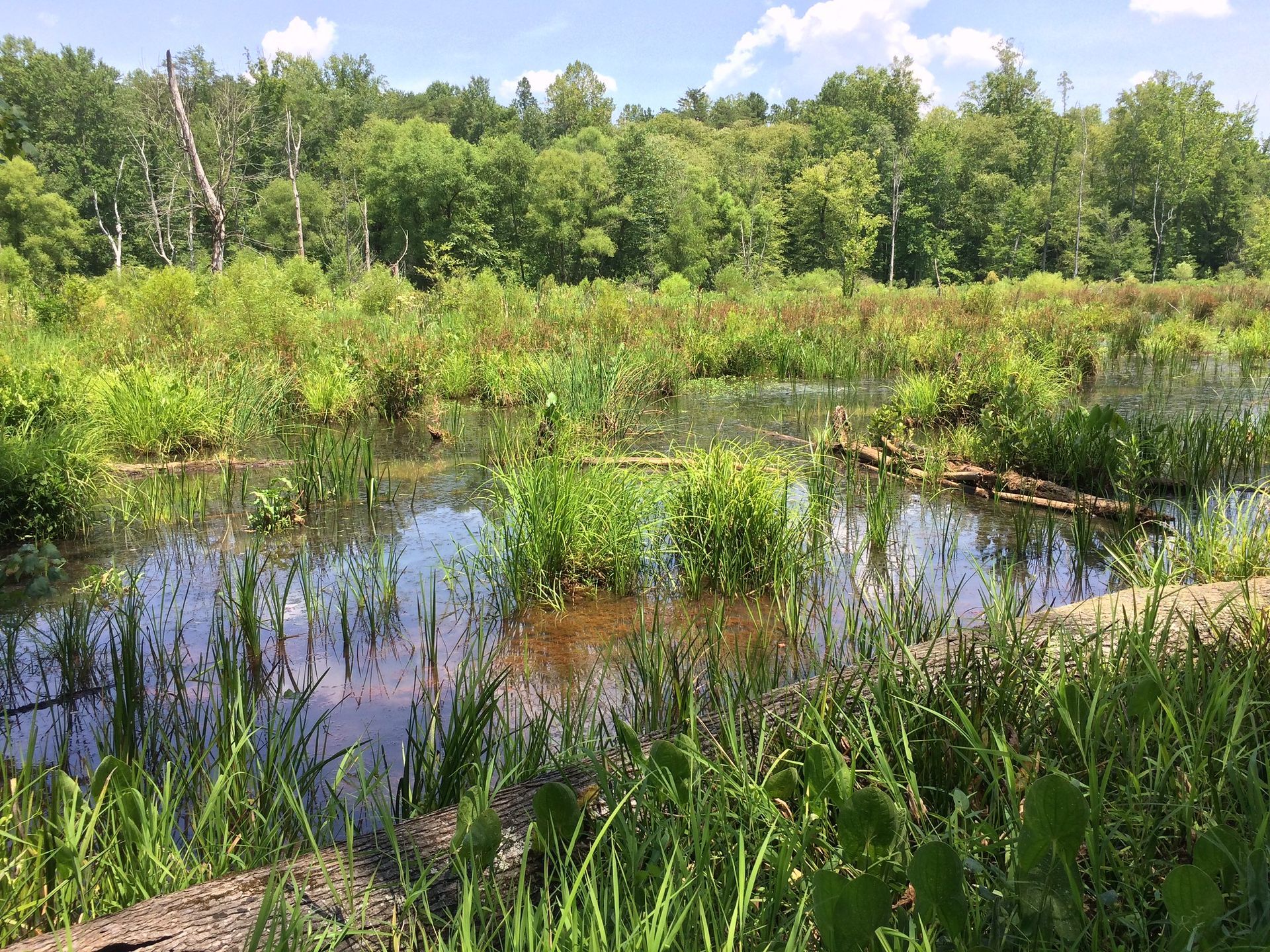
One of the most concerning changes is the requirement for a continuous visual presence of water to verify that an area qualifies as a wetland, as well as a continuous visible surface connection to navigable waters of the United States. Anyone who has worked with wetlands knows that wetlands are dynamic systems, characterized by seasonal wet and dry periods. Water may not be visibly present year-round, even though the wetland is fully functional. The rules provide little clarity on how these seasonal variations should be addressed.
The overarching goal of the updated rules is clear: to reduce regulation—and therefore protection—of wetlands. This is deeply troubling given how critical wetlands are for carbon sequestration, flood control, water quality, education, recreation, wildlife habitat, and overall human well-being.
As protections decrease, we will lose wetland acreage. With fewer wetlands being classified as Waters of the US, fewer impacts will be offset with compensatory mitigation. This undermines the long-standing “No Net Loss” policy established under President George H.W. Bush, which aimed to ensure that wetland losses were balanced by restoration or creation elsewhere.
This is why your voice matters.
As supporters of wetlands, we must speak up—to your state legislatures and by getting involved with organizations actively fighting for wetland protection, including our Association. Policy decisions made today will determine the health of our communities for generations to come.
The next time you explore a wetland near you, remember: healthy wetlands mean healthy communities. Protecting them is not optional—it is essential.
Contact me is you want to help make a difference.
Rick Savage
Executive Director
Additional Resource
- How wet must a wetland be to have federal protections in post-Sackett US? (By Adam Gold)
- New year, new definition: Feds set to limit water protections (by Jennifer Allen)
You might also like
Celebrating Our Carolina Wetlands