Celebrating 10 years of Protecting Wetlands!
A Look Back: From Humble Beginnings to Statewide Impact
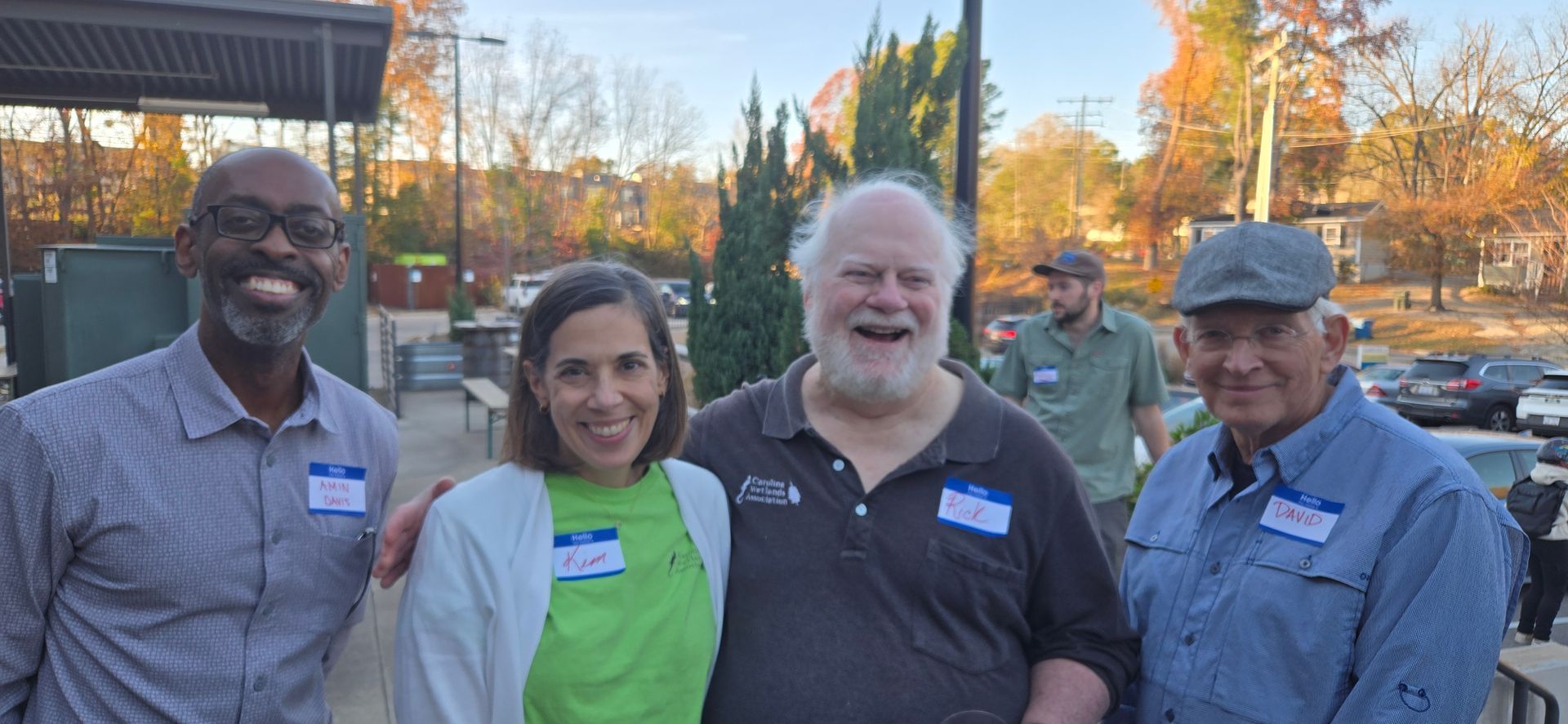
It’s hard to believe how far we’ve come since that first meeting in June 2015, when a small group of us gathered at a Starbucks on Lake Boone Trail to form our very first Board of Directors. I was elected President, with Steve Rebak as Vice President, Kristie Gianopulos as Treasurer, and John Dorney as Secretary. Our founding board also included Kim Matthews, Stratford Kay, Laura England, and others who helped shape the foundation of our organization. Ginny Baker (Daniel) and Robert Truesdale became co-chairs of the Science Committee, and later Amin Davis stepped up to lead the Program Committee. Together, we drafted our bylaws and registered as a nonprofit corporation in North Carolina. In 2016, with the invaluable help of Chad Guthrie and the UNC School of Law, we achieved our 501(c)(3) tax-exempt status — a huge step in establishing ourselves as a recognized nonprofit.
Growing Our Reach
Our early years focused on building visibility and partnerships. I met with leaders across environmental and conservation organizations, and we participated in countless community and environmental events. With Laura England’s leadership, we launched the Wetland Treasures of the Carolinas Program, which has become our flagship initiative — celebrating 36 Wetland Treasures to date (23 in North Carolina and 13 in South Carolina).
Expanding Our Mission
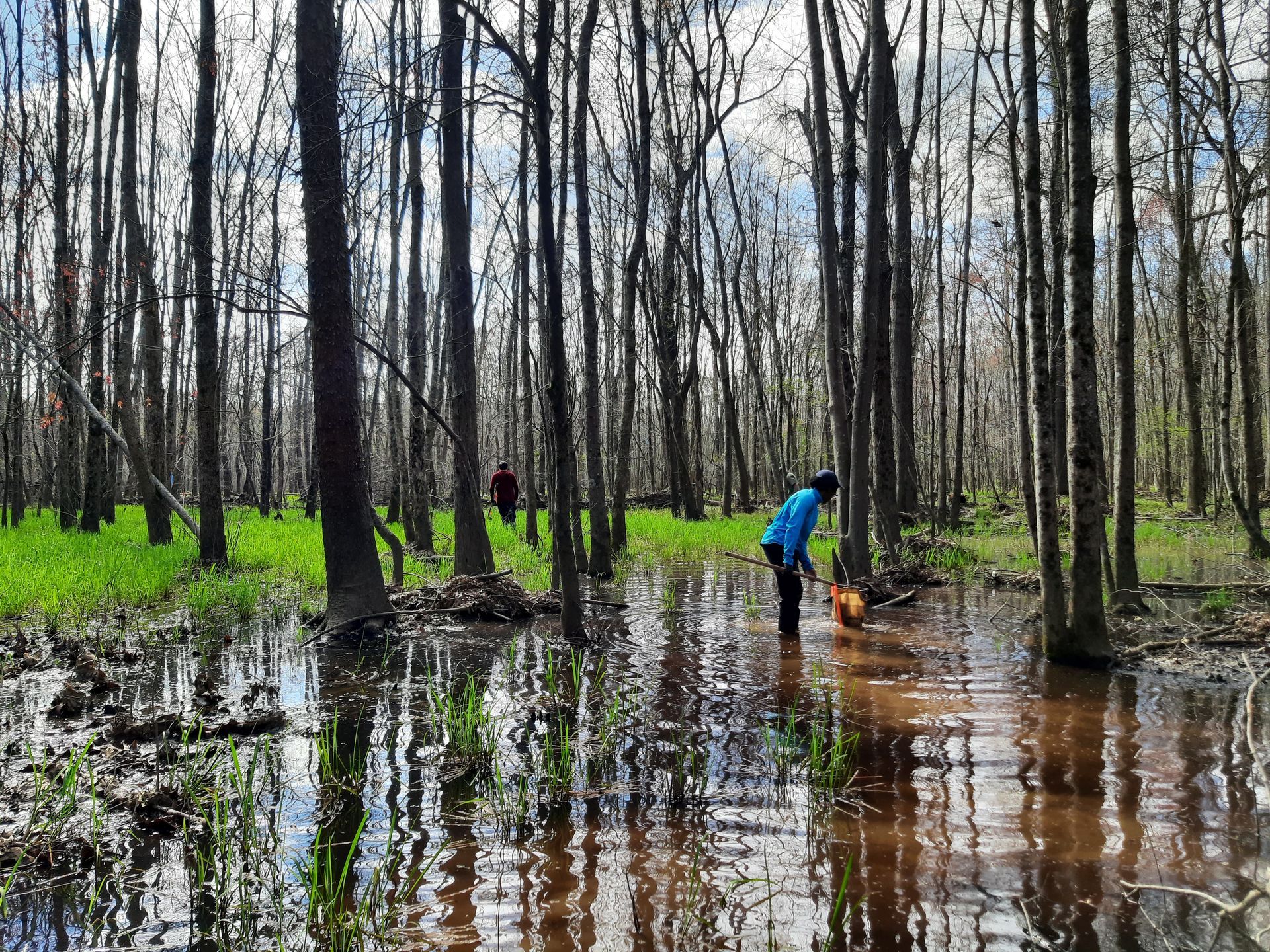
In 2019, we took a bold leap by applying for our first EPA Wetlands Program Grant in partnership with NC State University and RTI International. This effort led to the creation of a Volunteer Wetlands Monitoring Program, which became a model for restoring the state’s wetlands monitoring efforts.
Building on that success, a second EPA grant in 2024 allowed us to expand into
Hendersonville, NC,
Horry County, SC, and
Columbia, SC — broadening our network and community engagement. We’re now seeking a third grant to continue this important work.
Supporting Vulnerable Communities
Our mission has also grown to include working with vulnerable and flood-prone communities along our coastal rivers. Through collaboration with the North Carolina Office of Resilience, Working and Natural Lands initiatives, and Executive Order 305, we’ve focused on using natural infrastructure to reduce flooding and restore ecosystems.
Thanks to support from the North Carolina Land and Water Fund, we’ve completed flood mitigation planning in Harnett County (Dunn, NC) on Stony Run, and are thrilled to have received a new grant to begin restoration work there.
We’ve also received funding to:
- Assess flooding at Parker Creek (Pitt County) in a historically underserved community,
- Work with the Lumbee Tribe to restore wetlands near their Cultural Center, and
- Collaborate with the Bucksport community — with support from Defenders of Wildlife, the Betterment of Bucksport, and two Duke Accelerator grants — to address flooding linked to increased development.
Looking Ahead
We’ve come a long way in ten years, but there’s still much to do. Grants make much of our work possible, but they don’t cover everything. We rely on the generosity of our supporters and volunteers to help us sustain and grow our programs.
Please consider celebrating this milestone with a donation — large or small — to help keep our mission thriving for the next decade and beyond.
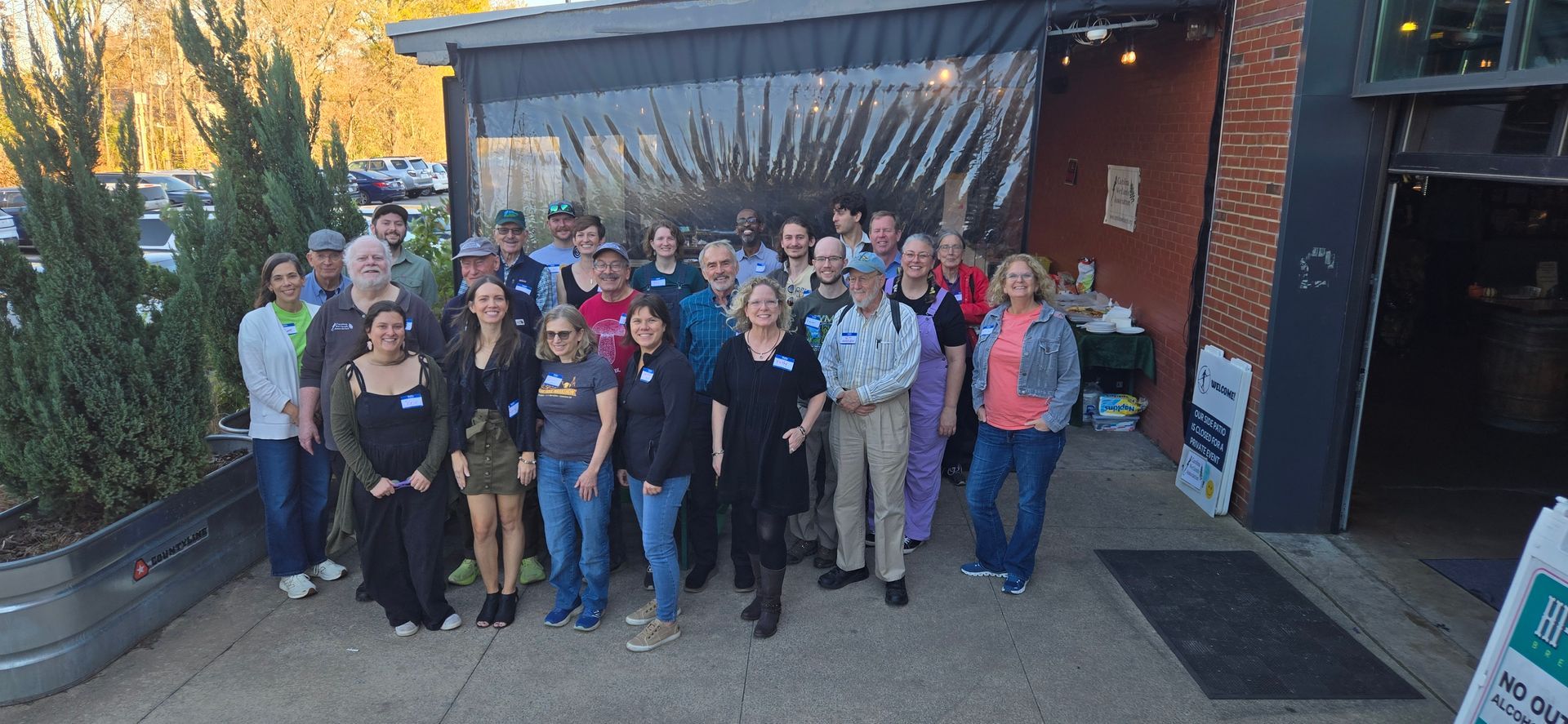
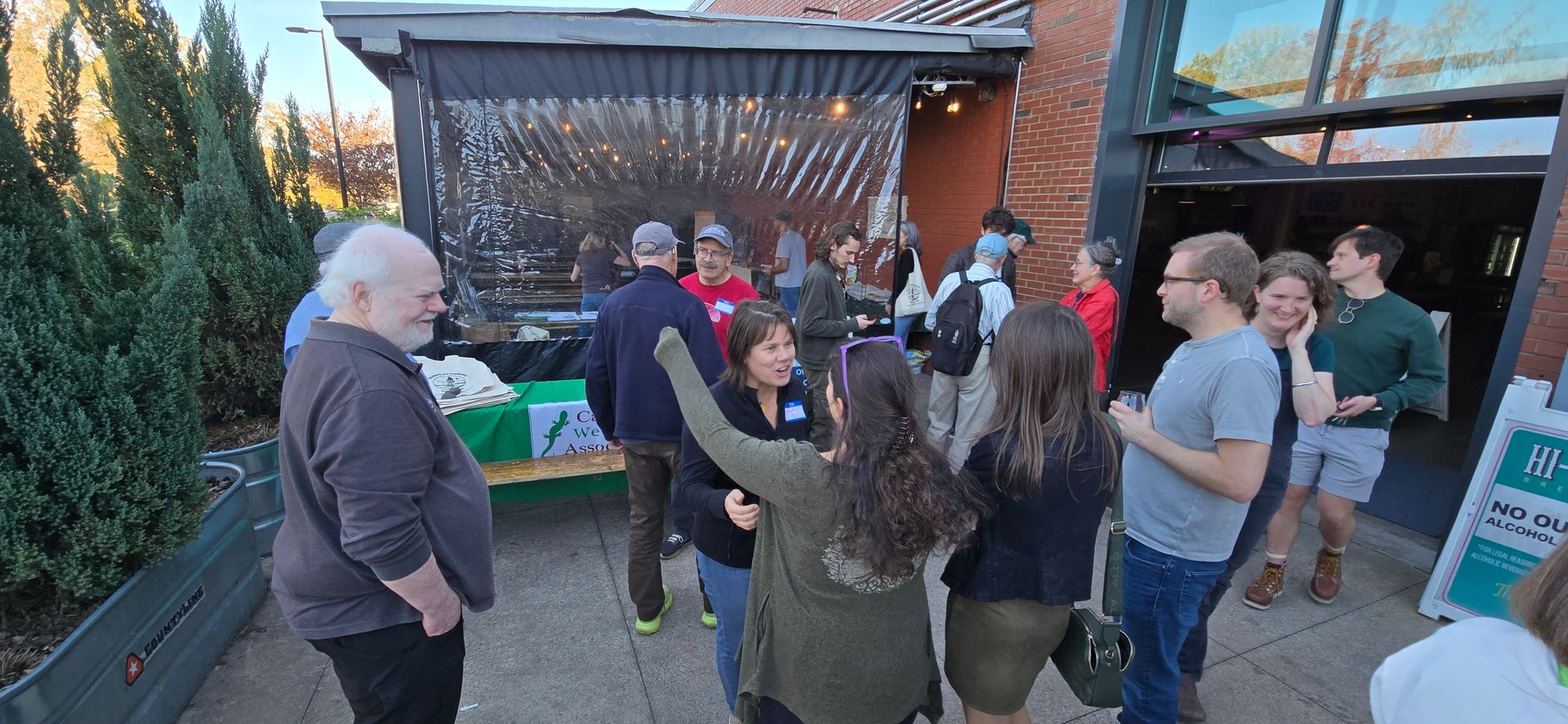
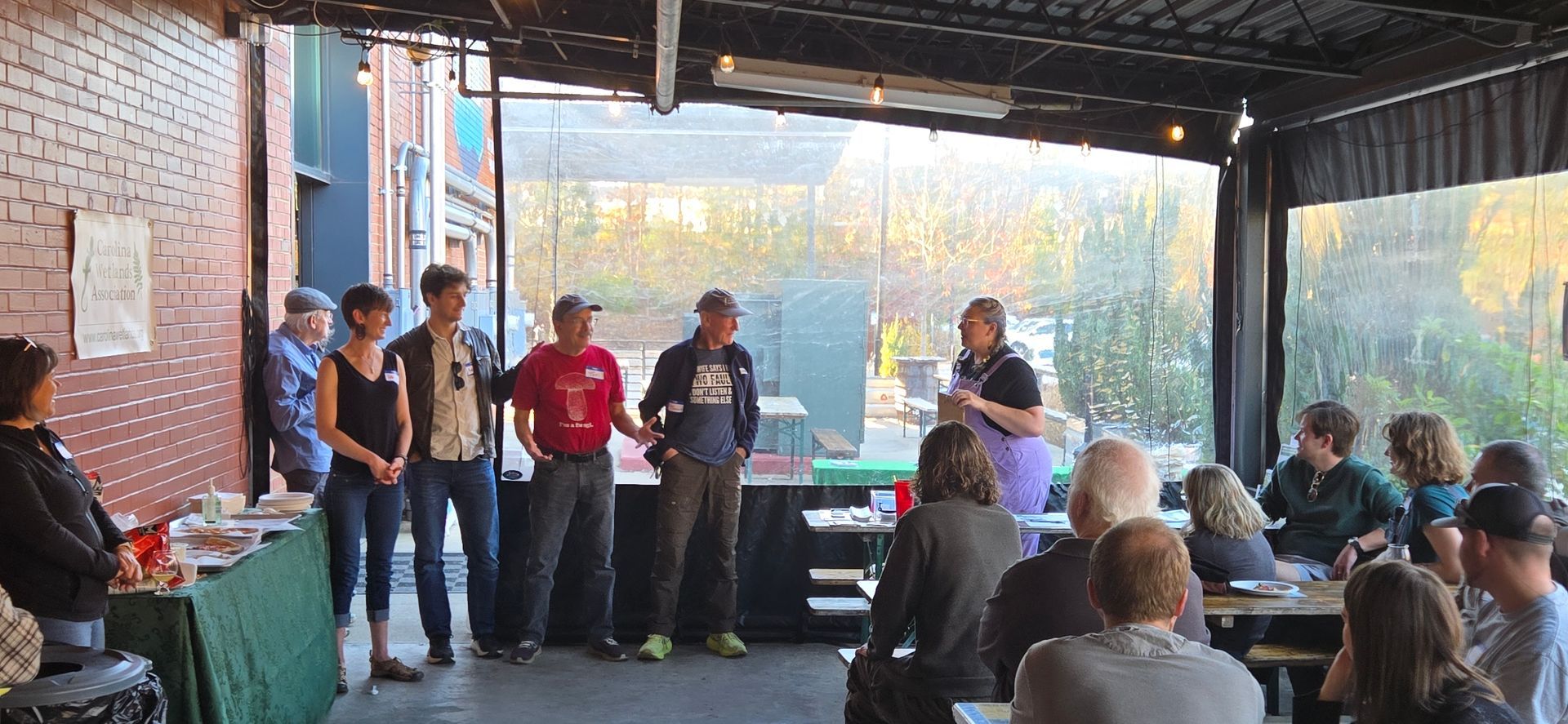
Join us on November 16th to celebrate our journey, reconnect with old friends, and look forward to the future of wetlands conservation together.
Thank you for being part of our story,
Rick Savage
Executive Director
Carolina Wetlands Association
You might also like
Celebrating Our Carolina Wetlands