Celebrate World Wetlands Day

rick.savage • February 2, 2024

February 2 is World Wetlands Day

Greetings Wetland Supporters: 

Every February 2nd, 
World Wetlands Day joins people around the globe in celebrating the
value and beauty of our planet’s wetlands. It calls nations and each of us to act on behalf of
these highly productive natural environments whose existence is interlaced with our own. 

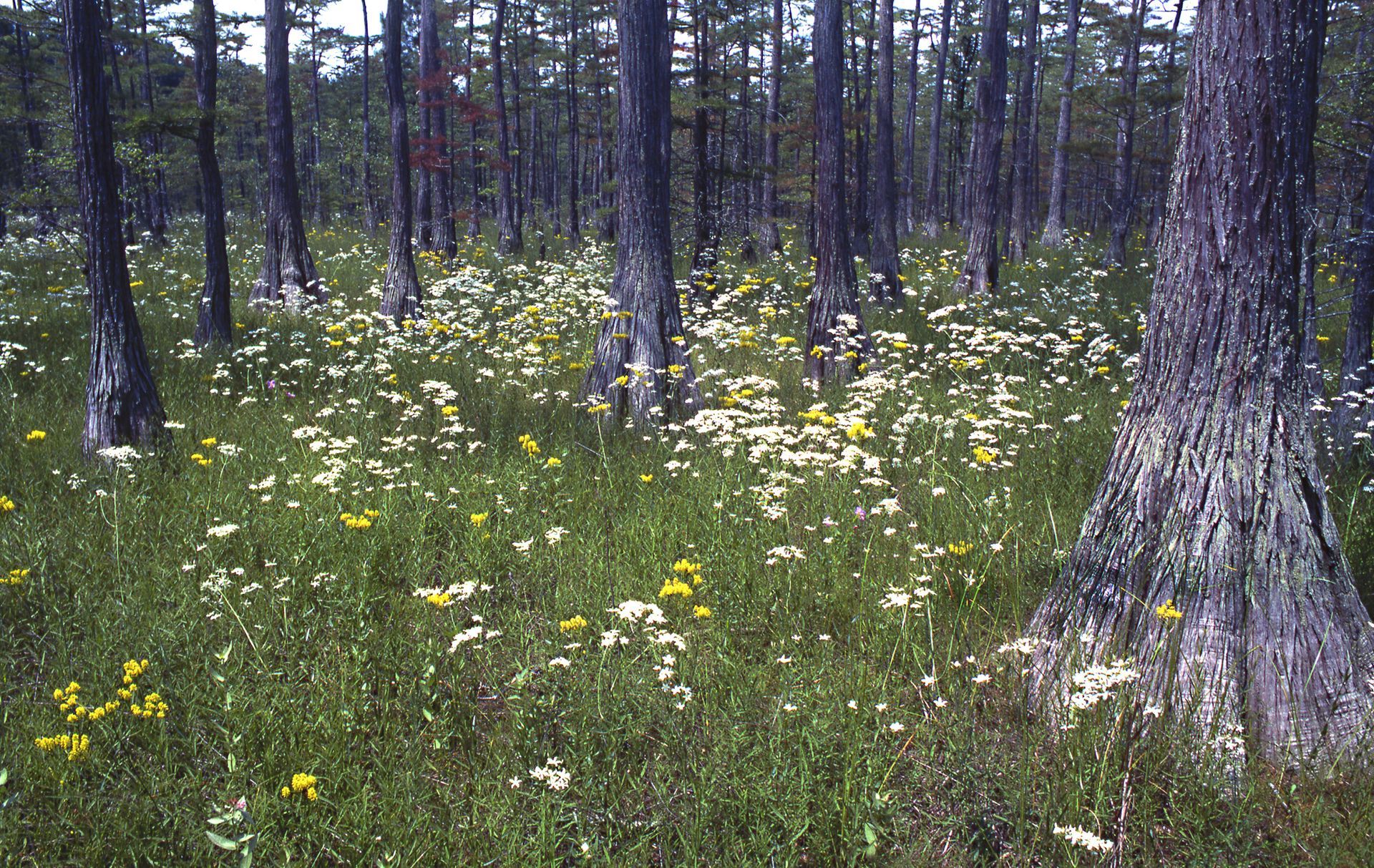
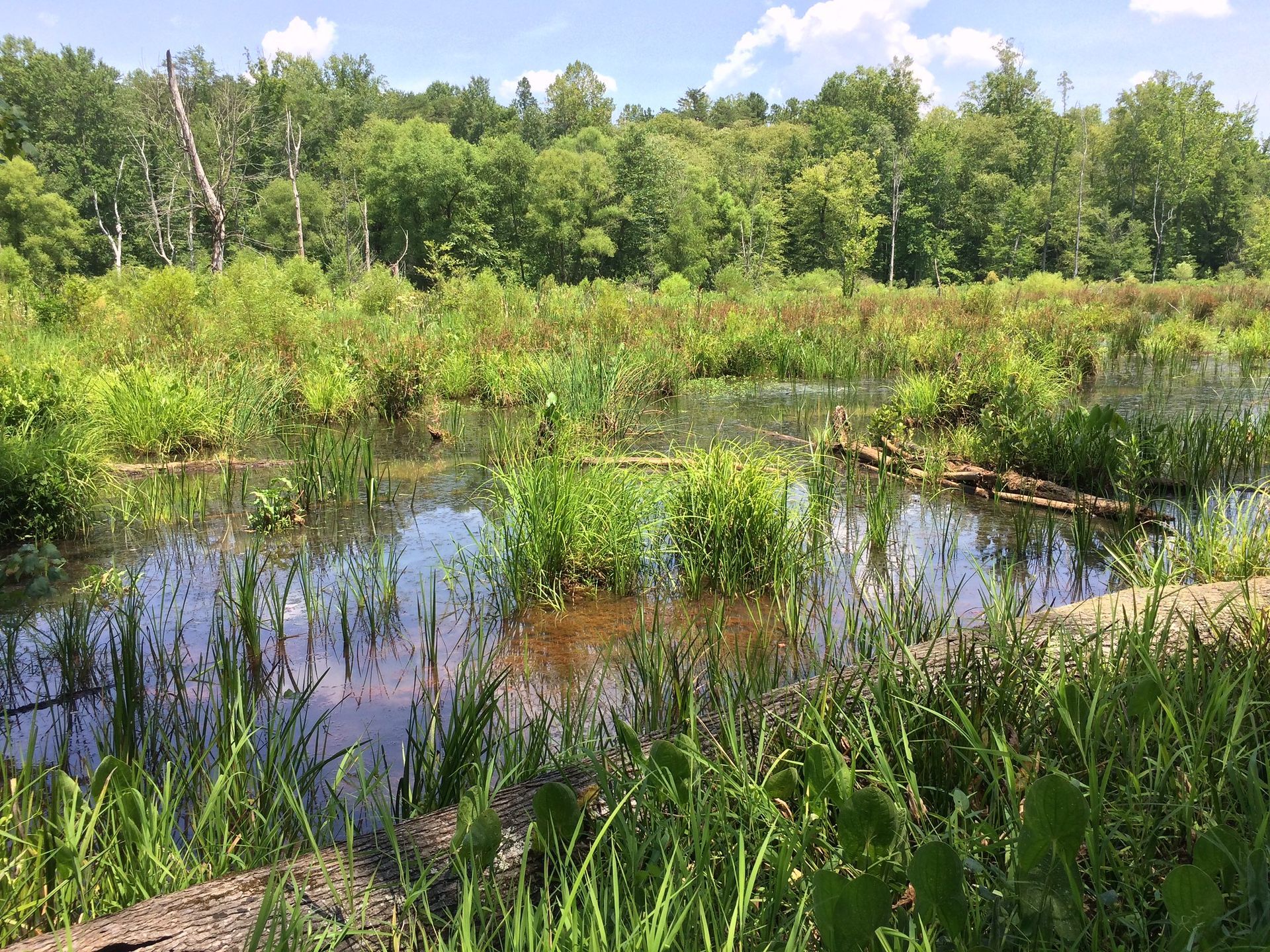
World Wetlands Day spotlights our most vulnerable ecosystem. Wetlands are essential for human life. From filtering water, to providing food, to supporting biodiversity, to mitigating climate change, to offering livelihoods, to inspiring unique cultures, these ecosystems provide vital services that sustain our well being. Yet, wetlands are the Earth’s most threatened ecosystem and we’re losing them three times faster than forests. World Wetlands Day increases global understanding of how much wetlands do for humanity and that we must care, nurture and support them for a sustainable future.

“Wetlands and Human Well-being” is the theme for World Wetlands Day 2024. This year’s campaign spotlights how interconnected wetlands and human life are — with people drawing sustenance, inspiration and resilience from these productive ecosystems. Importantly, the theme for 2024 underscores how all aspects of human well-being are tied to the health of the world’s wetlands. It calls on each of us to value and steward our wetlands. Every wetland matters. Every wetland counts.

Please join our efforts in making every wetland count. The Carolina Wetlands Association depends on volunteers to fulfill our mission to protect and promote wetlands in North and South Carolina. Please email me or sign-up on our website if you want to join a committee, volunteer at events, or join our board. We also need your monetary donations and corporate sponsorships to help sustain the organization as we work with communities to incorporate wetlands in watershed planning solutions to reduce flooding, enhance water quality, and provide wildlife habitat. Go to our website to learn more about our projects and programs.

Thank you,


Rick Savage

Executive Director 

You might also like

Celebrating Our Carolina Wetlands
By rick.savage • November 3, 2026
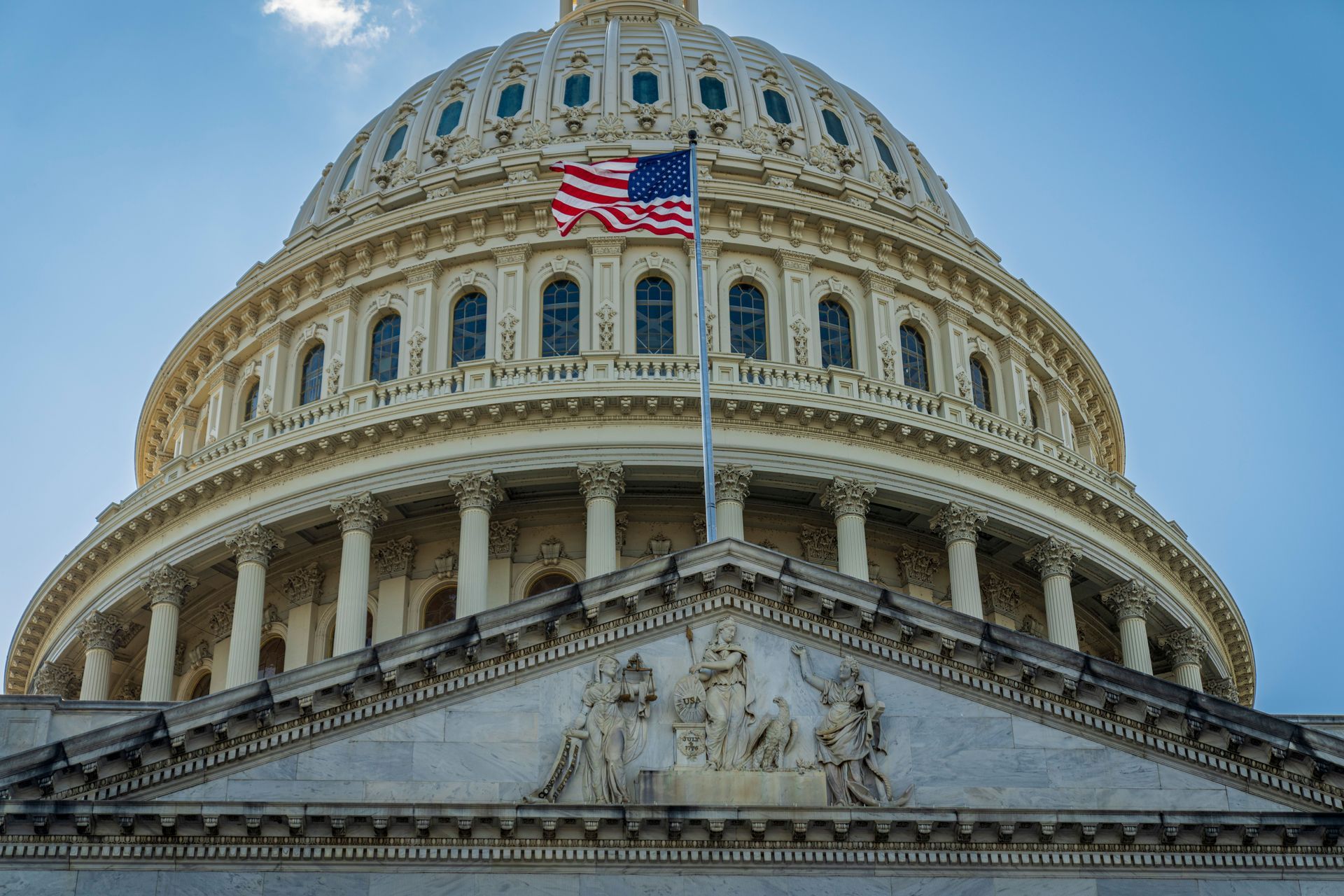
The U.S. Congress is poised to weaken federal protection of wetlands. To understand why these changes matter, it helps to know how wetland permitting actually works. How Wetland Permitting Is Supposed to Work Whether the permit goes through the State agency (e.g. NC DEQ or SC DES which reviews water quality impacts) and/or the U.S. Army Corps of Engineers (ACOE) and EPA (which review the physical, chemical, and biological impacts), every application is supposed to follow a three-step mitigation sequence: avoid, minimize, and compensate. Avoid. The reviewer works with the applicant to determine whether the impact can be avoided altogether. Often, it can. Minimize. If the impact can’t be avoided, the reviewer and applicant look for ways to reduce it. Compensate. If the remaining impact is large enough, the applicant must compensate for the loss using a formula provided by the ACOE. Mitigation normally takes place in the same watershed and provides the same function as the wetland that was lost. This process takes time, but it is essential. It ensures that applicants don’t overlook options that could spare valuable wetlands. What Senate Bill 5653 Would Change Senate Bill 5653 , the Bipartisan American Affordability and Jobs Act (BAAJA),aims to speed up federal and state regulatory decisions on housing and other development projects. But the bill would increase environmental degradation and undermine the federal-state partnerships that protect clean water. Here is the core problem: when permitting is rushed, reviewers can’t carry out the avoid, minimize, and compensate process. More wetlands will be damaged, and there will be no way to make up for the lost wetlands and the benefits they provide. A Weak Answer to the Housing Shortage BAAJA does little to address the real causes of the national housing shortage and construction challenges. Instead, it increases pollution and works against the central goal of the Clean Water Act: to restore and maintain the physical, chemical, and biological integrity of the nation’s waters, including wetlands. The bill is an assault on the nation’s rivers, wetlands, estuaries, and lakes. It also looks like a deflection from Congress’s inability to pass legislation that meaningfully tackles the lack of available housing. Undercutting State Authority Over Water Quality BAAJA also limits the authority states hold under Section 401 of the Clean Water Act, making it harder for them to meet the water quality standards they have set for their own waterbodies. That would set back five decades of progress toward cleaner water, progress to which every sector of society has contributed, and it would affect generations to come. Fewer Wetlands Protected, and Weaker Review for the Rest This is yet another attack on wetland protection, and it affects all of us. Even those wetlands that remain regulated after recent jurisdictional retreats by EPA and the ACOE would not receive the normal permitting review. In practice, that means they aren’t truly protected either. What You Can Do Contact your representative. Ask your senators to oppose Senate Bill 5653 . You can find and contact your U.S. senators here , or look up your U.S. representative here to share your concerns with the House as well. Support Carolina Wetlands Association. We are your organization fighting to protect wetlands. The next time you explore a wetland or pour a clean glass of water, consider making a donation to help us keep up this work.
By chase.bergeson • October 16, 2026
A Decade of Celebrating Carolina's Wetland Treasures
By kim.matthews • October 7, 2026
On September 9, 2026, the U.S. Environmental Protection Agency (EPA) and the U.S. Army Corps of Engineers issued a supplemental notice of proposed rulemaking (SNPRM) offering additional ways to define “waters of the United States” (WOTUS). Why this definition matters The WOTUS definition determines which water bodies the federal government can protect under the Clean Water Act. In November 2025, the agencies proposed revisions to bring the definition in line with the Supreme Court’s 2023 decision in Sackett v. EPA. After taking public comments, they have now put forward further options. The new proposal narrows federal jurisdiction even more, potentially stripping protections from the vast majority of U.S. wetlands and seasonal streams. What our comment letter says The Carolina Wetlands Association is submitting comments opposing the proposal. Our main concerns: It would undermine the Clean Water Act’s purpose. The law’s goal is to restore and maintain the chemical, physical, and biological integrity of the nation’s waters. This proposal would severely undercut that goal. The “days of water” test is a poor measure. The proposal decides jurisdiction by how many days a year water is present. That number correlates poorly with a waterway’s ability to carry pollution downstream to the rivers, lakes, and estuaries that would stay protected. Streams dry for as few as 30 days a year could lose protection, and polluters would have an incentive to discharge into them rather than into protected waters. Drinking water is at risk. About 56% of North Carolina’s stream miles feeding public drinking water systems are intermittent, ephemeral, or headwater streams. In South Carolina the figure is 51%. These systems serve 6.6 million people, who would bear higher health risks and treatment costs. Wetlands do critical work. They filter pollutants and nutrients that cause algal blooms, dead zones, and fish kills. Losing that function would also degrade groundwater, which many people drink untreated. The legal reasoning is flawed. We argue the agencies misread the Supreme Court’s language. “Relatively permanent” describes geographic features such as streams with defined beds and banks. The word “continuously” modifies “flowing” and doesn’t limit what counts as relatively permanent. It would be hard to implement. Many affected streams have no data showing how many days they lack surface water. That makes the rule difficult for agencies to administer and leaves landowners unable to tell whether the Clean Water Act applies to their property. The impacts haven’t been analyzed. The agencies should not finalize a rule before measuring the added pollution flowing from newly unprotected waters into those that supply drinking water, or projecting the resulting damage to downstream uses. What you can do Read the SNPRM Submit your comment by October 9, 2026, under Docket ID No. EPA–HQ–OW-2025-0322 . Personal stories about the streams, wetlands, and drinking water you depend on are especially effective. Learn more: read the comments we submitted on the November 2025 version of the rule, many of which still apply.