March 2024 highlights the benefits of wetlands

chase.bergeson • March 29, 2024

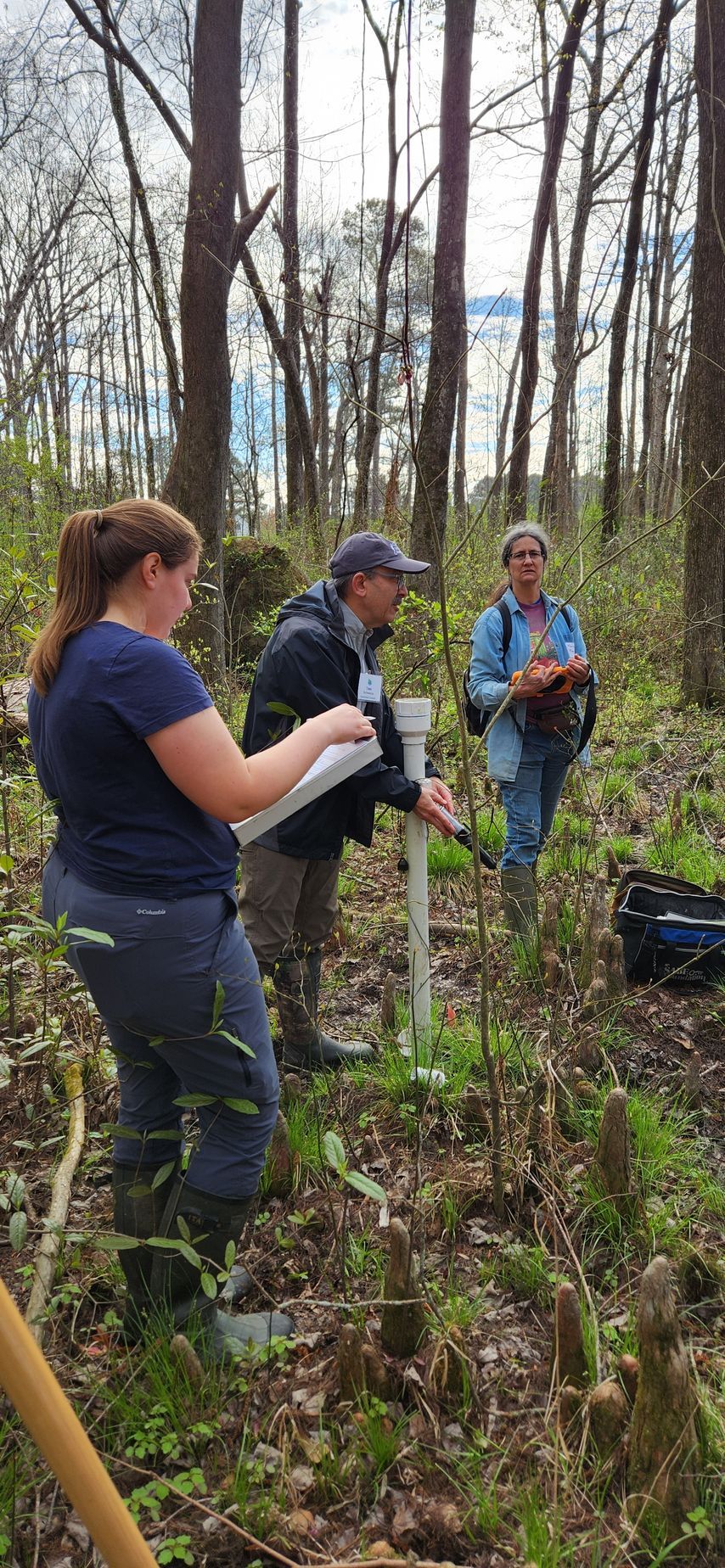
Wetland monitoring is important not only for the data we collect, but also to provide hands on education about why wetlands matter. Wetlands can provide so many benefits to humans and the environment, including creating habitat, flood reduction, filtering out pollution, settling sediment, storing carbon, recharging aquifers that we rely on for drinking water, and providing recreation opportunities for humans! 


While not every wetland provides all of these services, this March we experienced many of these benefits during our monitoring visits. 


Habitat 

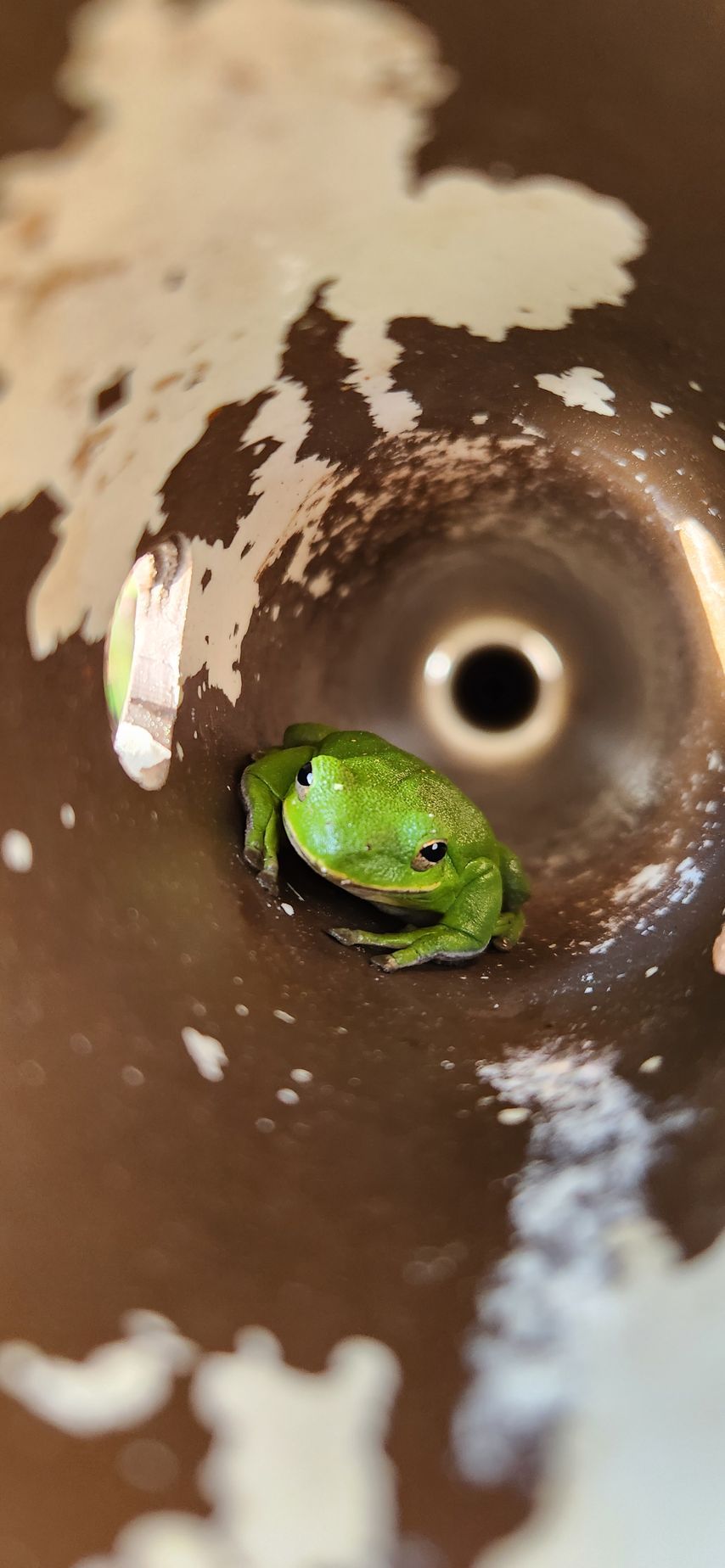
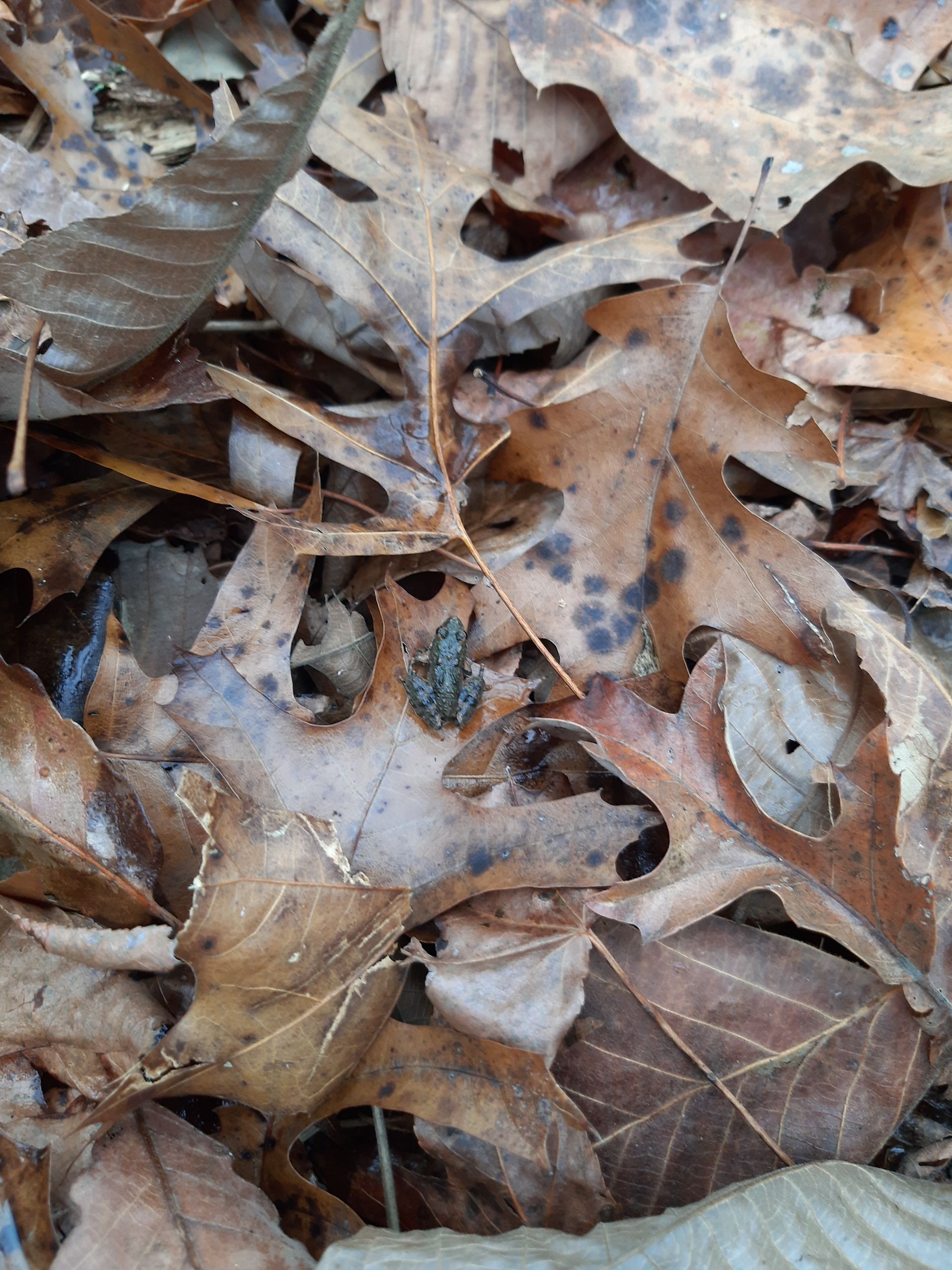
Wetlands provide important habitat for many species. This spring we conducted amphibian surveys at each of our sites and saw lots of amphibians! Wetlands are very important for the lifecycles of many amphibians who live in them, rely on them for food and habitat, or use them as nurseries to lay their eggs and protect their young. Unlike lakes and streams, ephemeral wetlands are not wet year-round. The periodic drying of surface water in these wetlands prevents them from being habitat for fish which may eat young salamanders. 

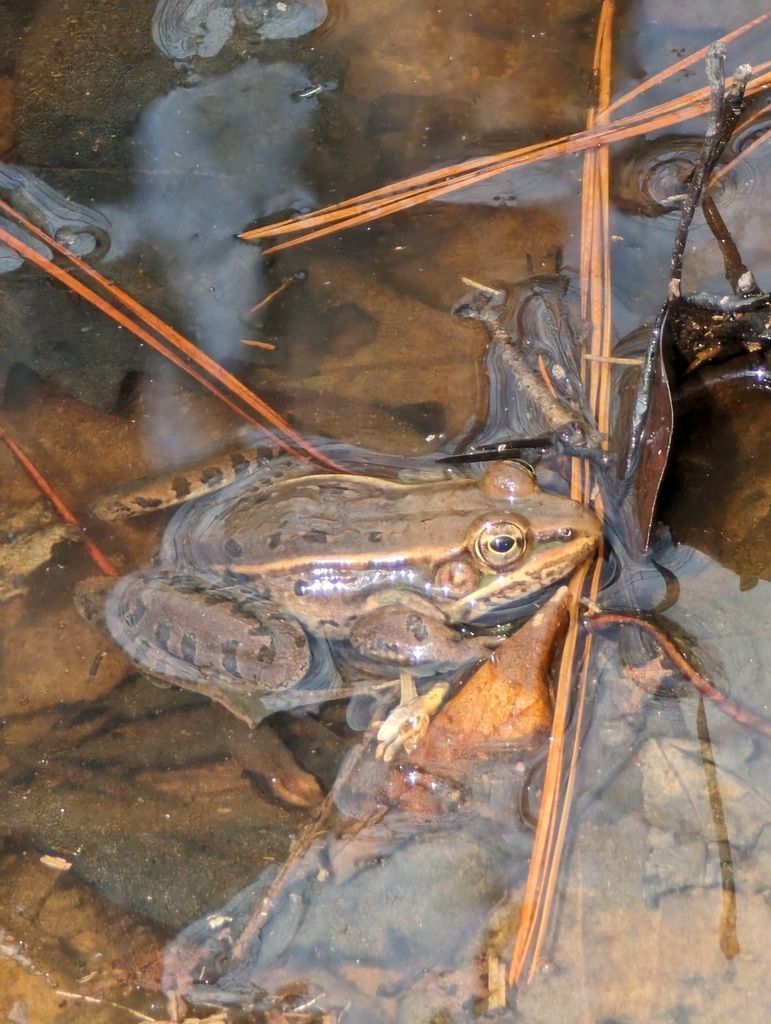
Our spring wetlands made a great nursery for amphibians and provide habitat for adults as well. We saw: 

  • mating American toads 
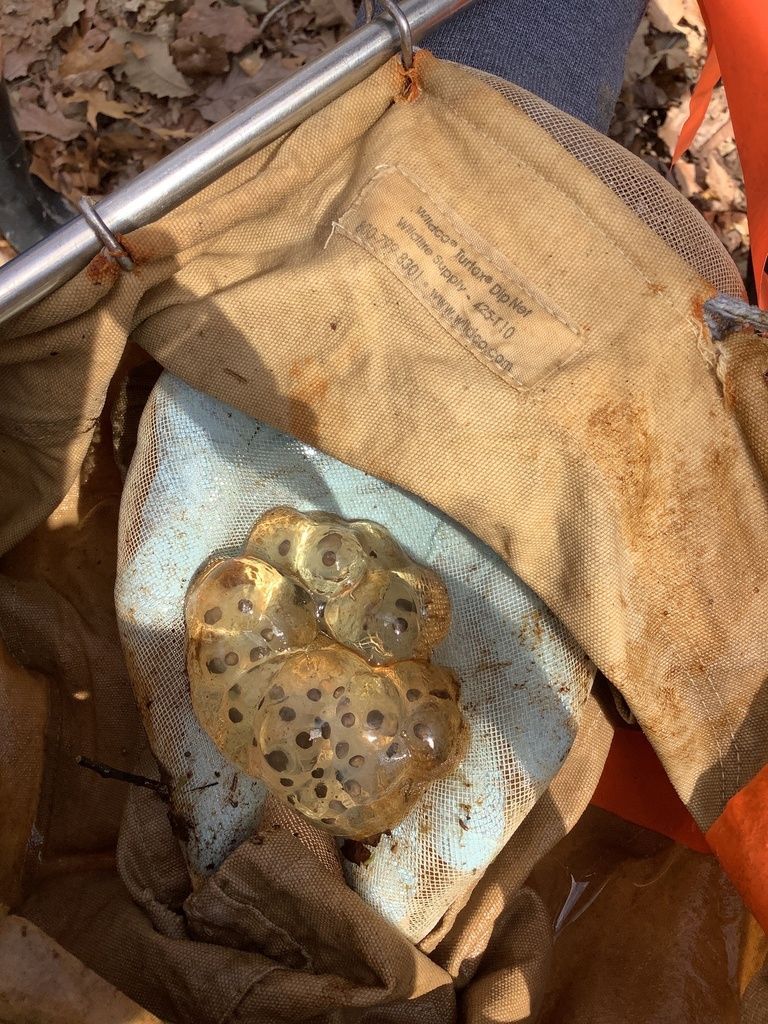
  • spotted salamander egg masses 
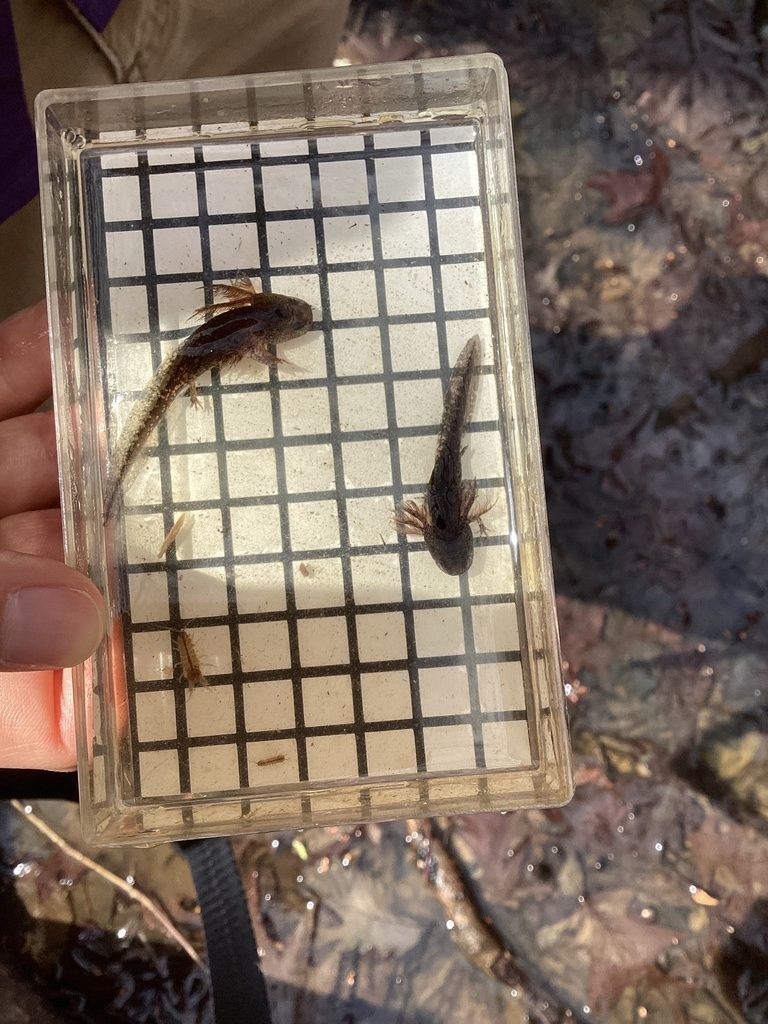
  • larval marbled salamanders 
  • northern cricket frogs 
  • a southern leopard frog 
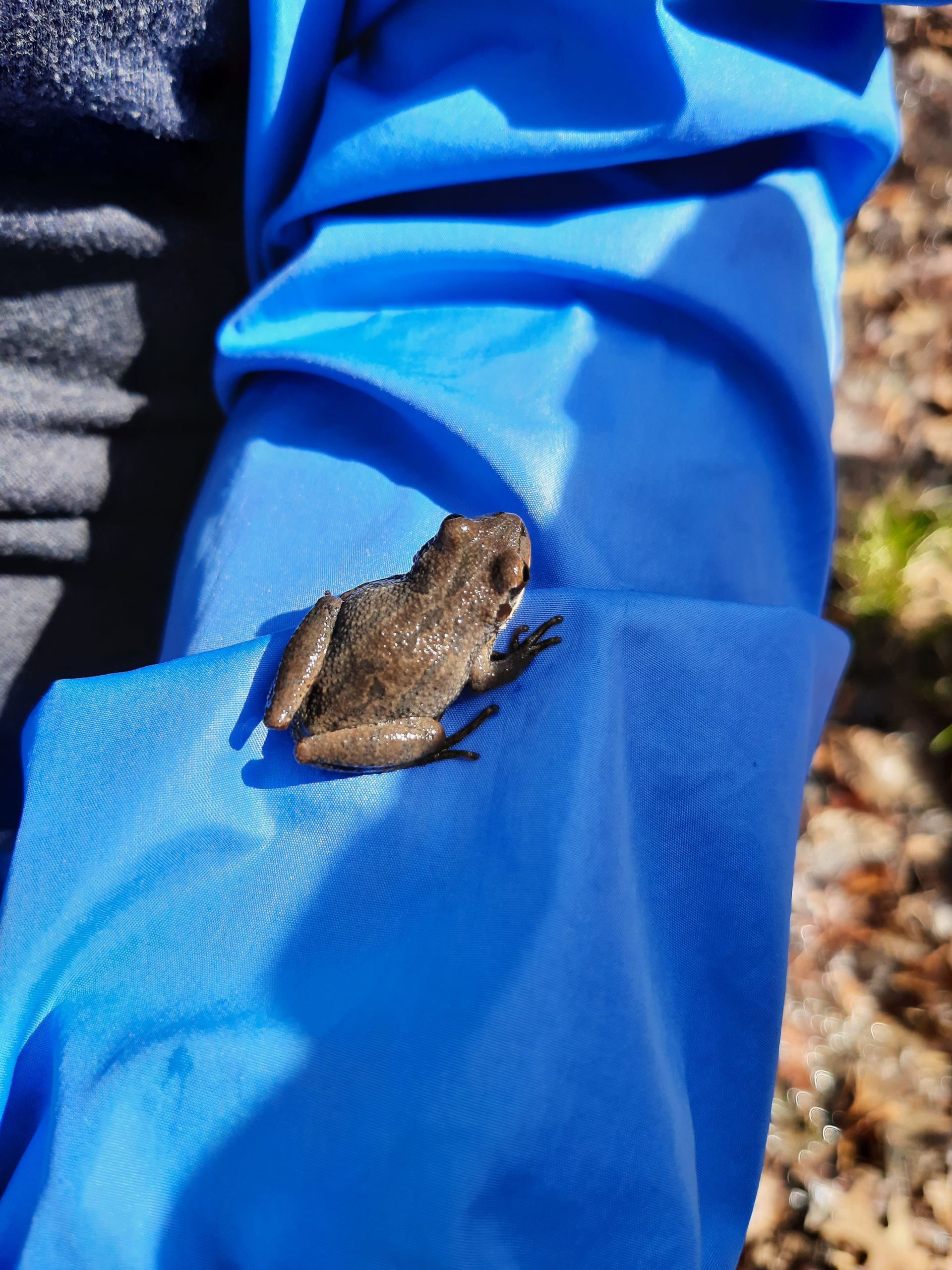
  • upland chorus frogs 
  • northern dusky salamanders 
  • southern two-lined salamanders 


There were also several frogs that we couldn’t catch a picture of fast enough to identify. You can view our observations on our iNaturalist page. 


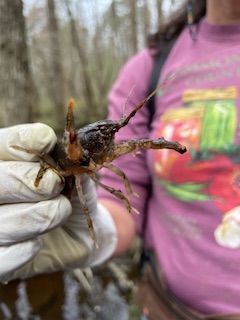
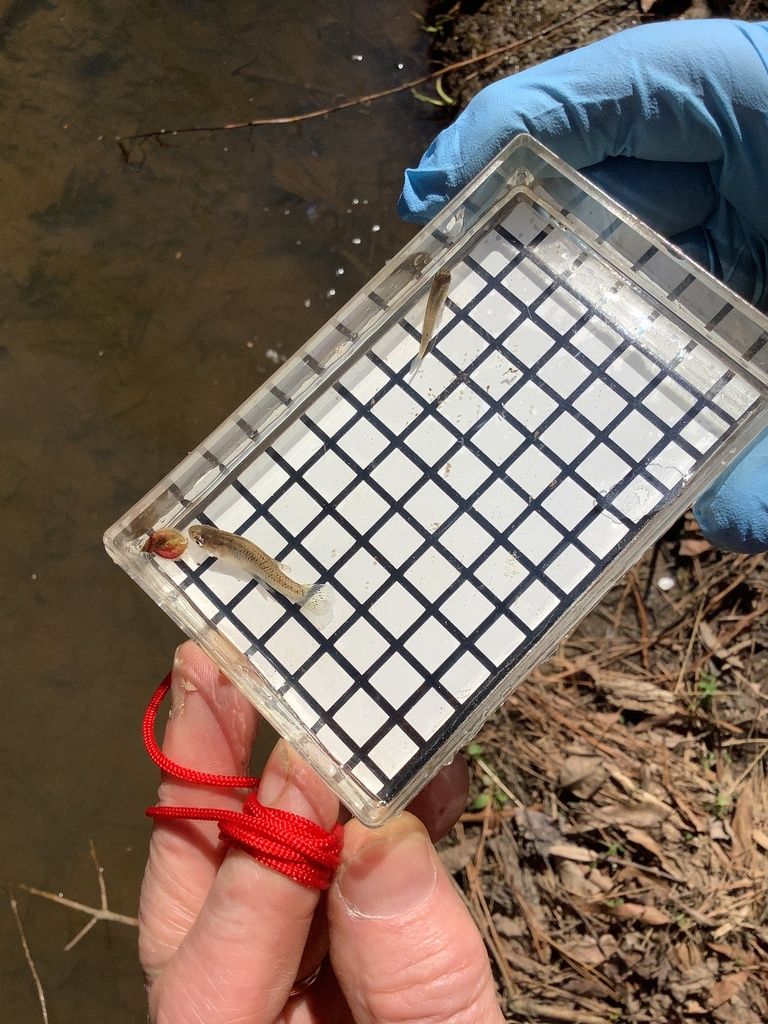
Wetlands provide important habitat for many other animals including crayfish, fish, turtles, and birds. We saw several small fish in our wetlands with more permanent water sources. We saw: 

  •  crayfish and their burrows 
  • turtles sunning themselves 
  • a pair of bald eagles fighting over a fish with an osprey. 


Our volunteer birders said they’ve never seen bald eagles at the site before! Birds use wetlands for nesting, breeding, food sources and refuge during migration.  


Flood reduction 

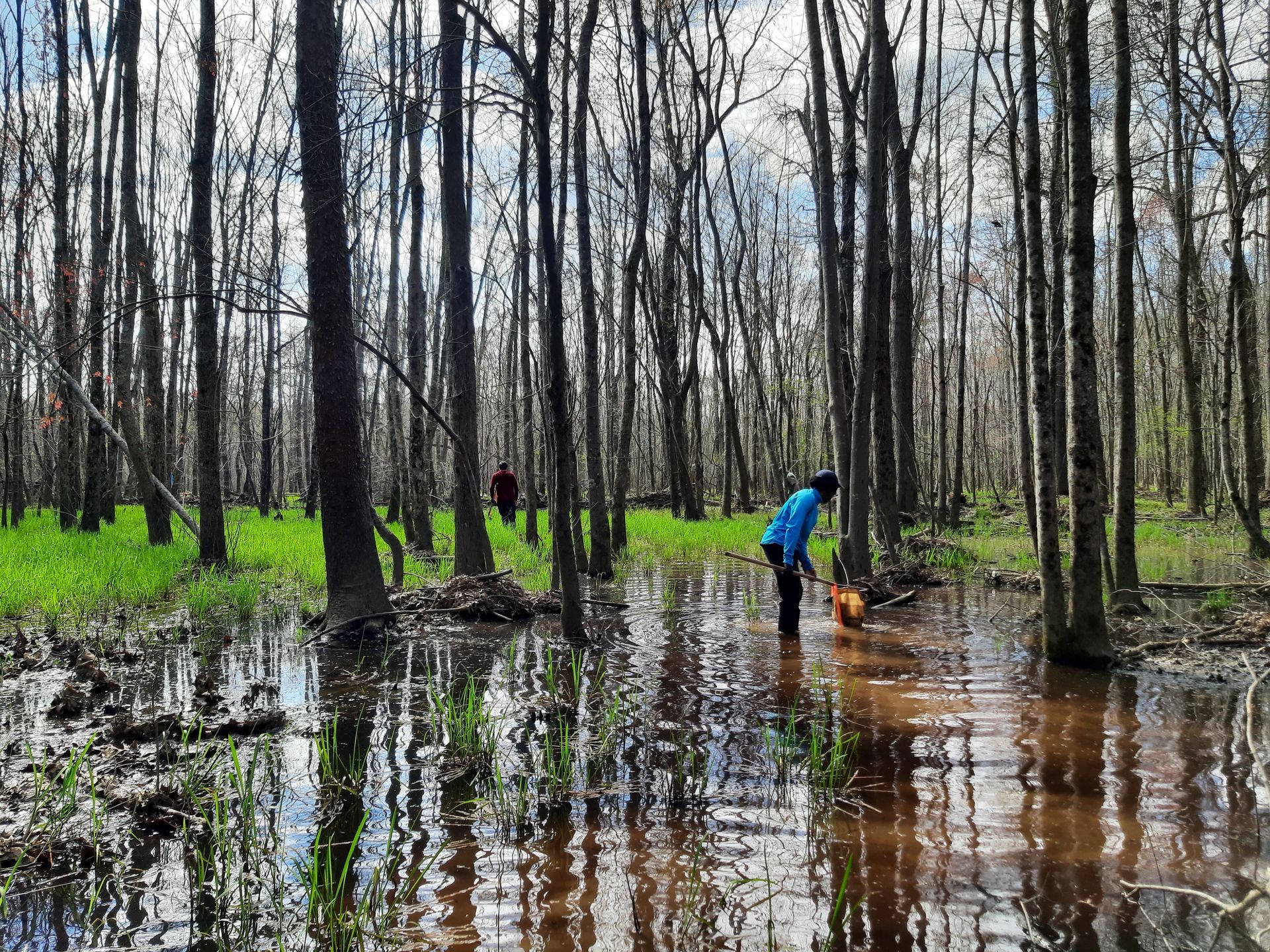
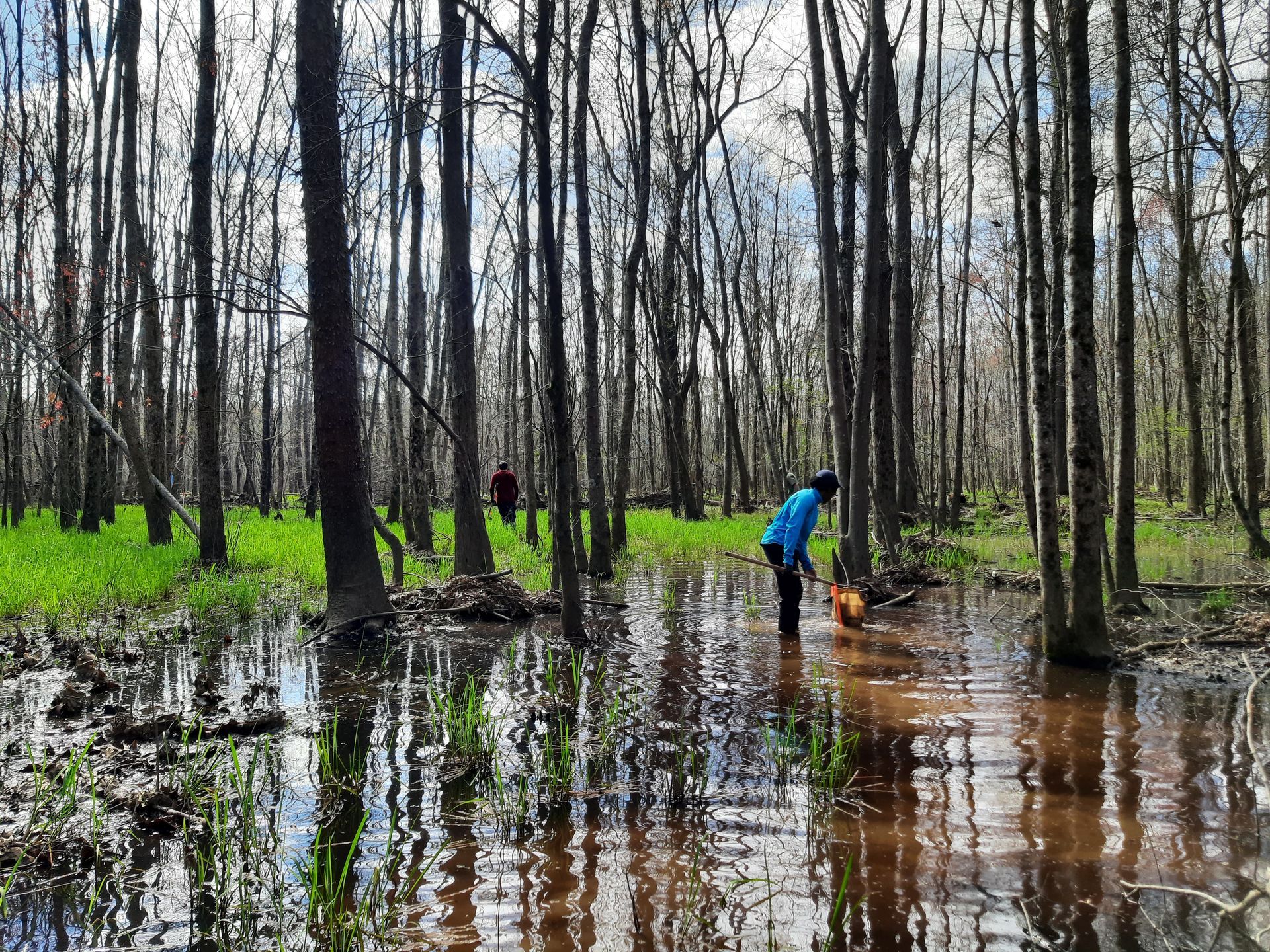
Our forested wetland site at Mason Farm is in the floodplain of Morgan Creek. During large rain events, the water from Morgan Creek is able to flow over its banks into the floodplain wetlands where it can be slowed down and sediment settled out. Water from the urbanized areas of Chapel Hill can flow safely into the floodplain at this point in Morgan Creek. Since there are no homes or structures built in the floodplain, there is also no damage to man-made structures. The floodplain wetlands were very wet during our visit and the water almost came up to the tops of some volunteers’ boots! 


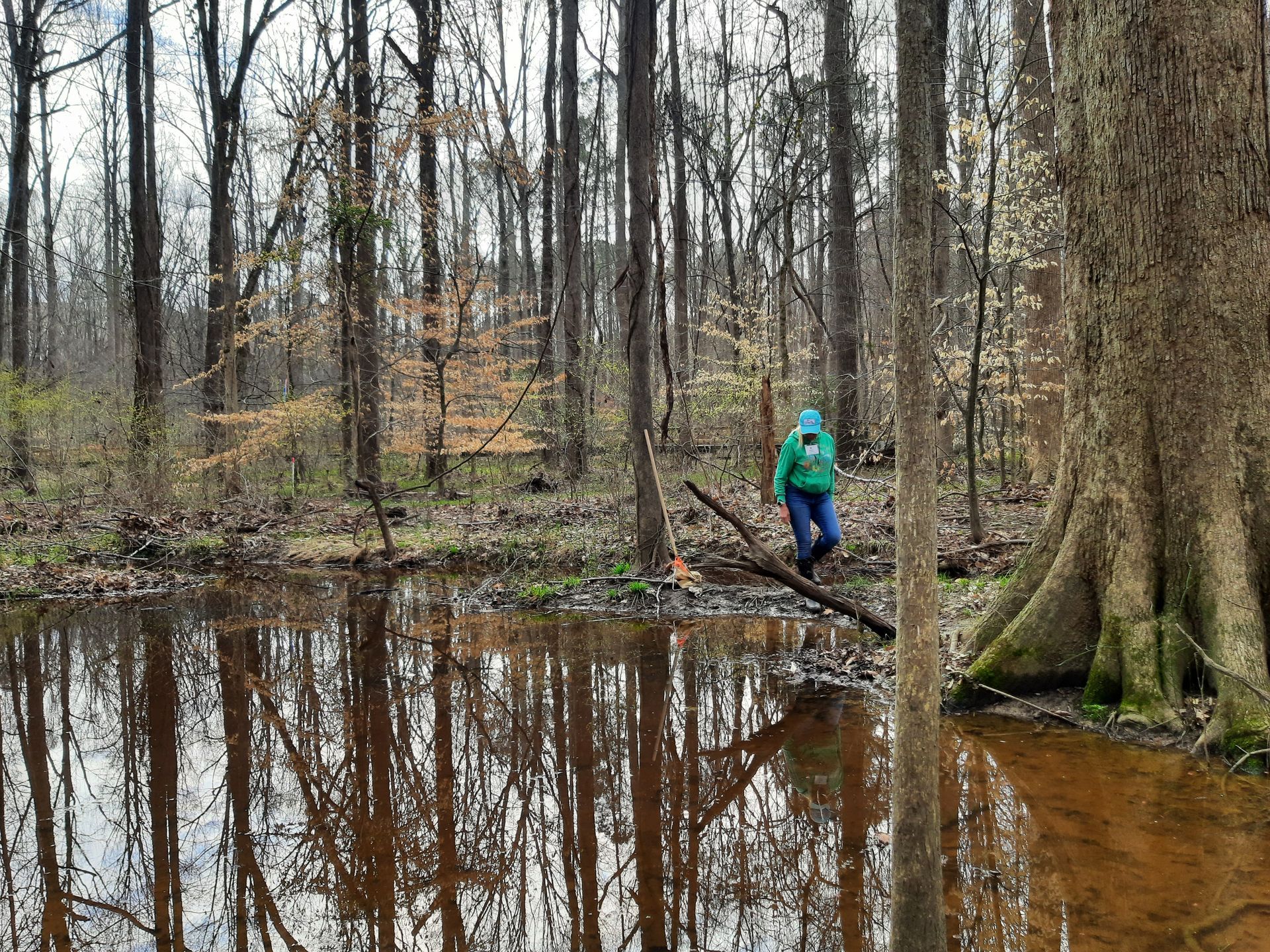
At Hemlock Bluffs, the ephemeral pools at our sites can also hold water during high low events in Swift Creek. The pools were full this month for our first visit since last June! 


Cleaning water 


While we will have to wait for the results of our water quality sampling to know how our wetlands affected water pollution this spring, there is a need for wetland filtration at all of our sites.  


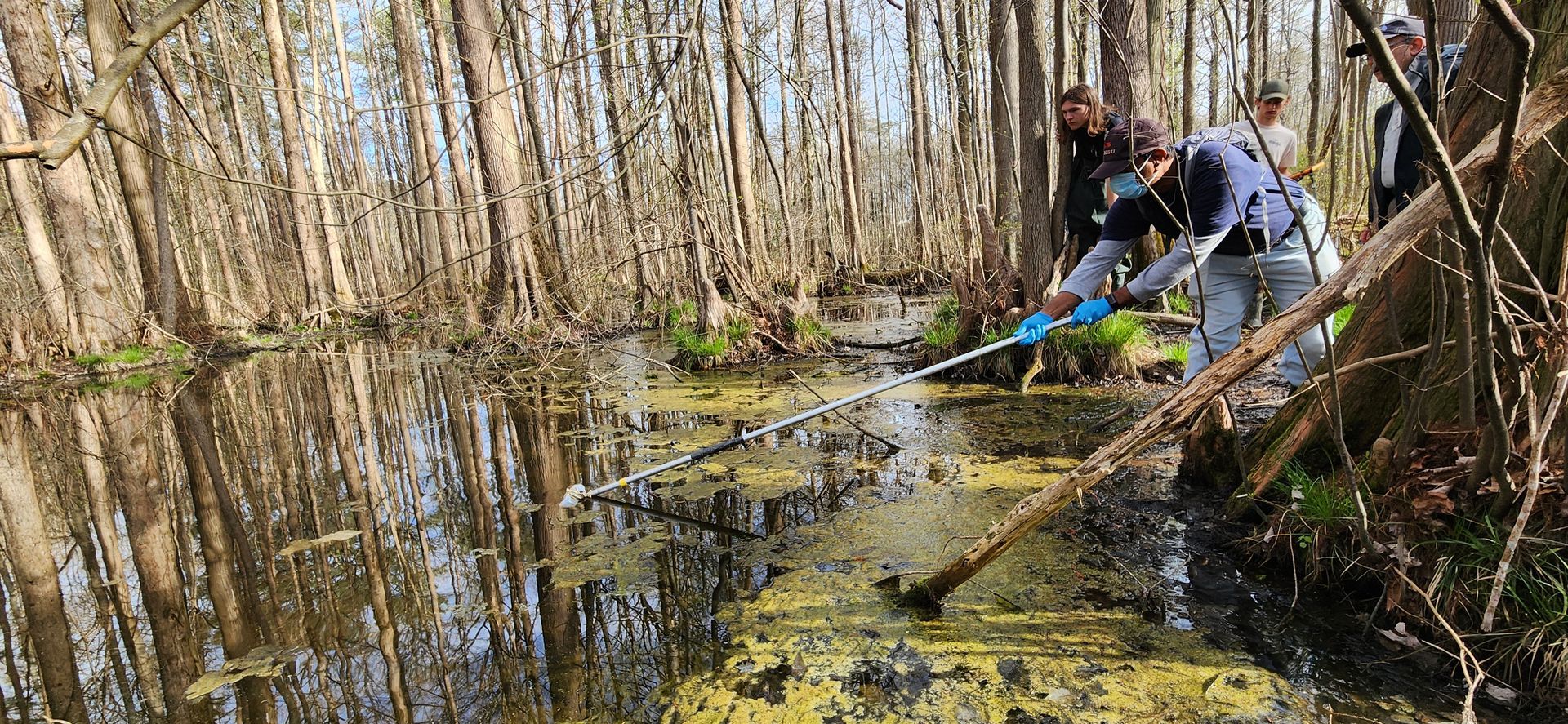
Robertson Millpond Preserve is in a rural part of Wake County and is surrounded by agricultural fields. Runoff from these fields can send excess nutrients into waterways, which can cause algal blooms and reduce oxygen availability for aquatic life. 


Mason Farm abuts Finley golf course. In fact, we often find several golf balls in the wetlands while sampling. Like agriculture, runoff from golf courses can send excess nutrients from fertilizers into waterways. 

Hemlock Bluffs is centrally located in a very urban area, which comes with its own pollutants, such as lawn care products, oils, grease, and chemicals.  


Although our water quality samples are only analyzed for nitrogen and phosphorus, we hope that our wetlands are reducing nutrients and other pollutants downstream.  


Recreation  


At Mason Farm, we witnessed many community members out enjoying the walking trails through the Reserve and taking advantage of great opportunities for birding, watching eagles and woodpeckers. 


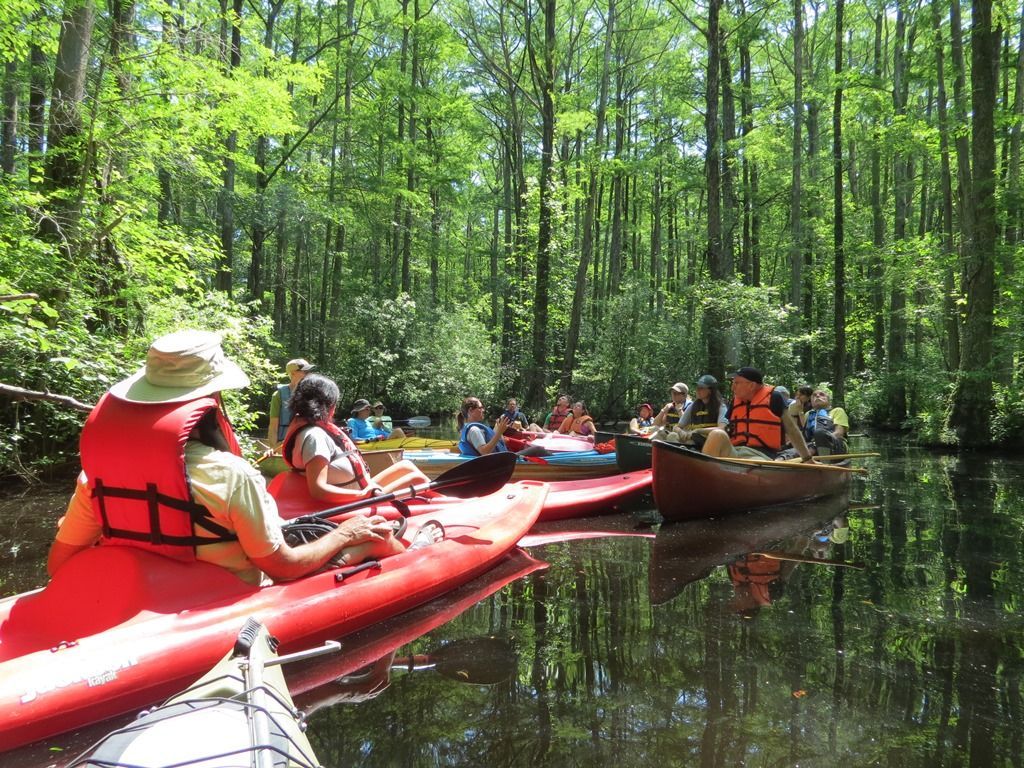
At Robertson Millpond Preserve, some of our volunteers took the opportunity to go for a paddle through the Cypress trees after monitoring. In October 2022, the Volunteer Wetlands Monitoring Program hosted a paddle at Robertson millpond, too! 


At Hemlock Bluffs Nature Preserve we use their walking trails around the wetlands to access our sites. The trails are open to the public, and the Preserve hosts programming that lets students and volunteers get up loser to the wetlands. 

Protect our wetlands 


For these reasons and many more, protection of our wetlands is important. Now more than ever, NC wetlands are at risk of degradation and destruction due to changes in federal and state regulations impacting their protections.  


Restoration of wetlands is also important. Wetlands can provide us with so many benefits, but can be degraded over time by human impacts. Too many pollutants and nutrients entering a wetland can overwhelm wetlands' capacity to store them. Excessive sediment from upstream flooding can also reduce flood storage. These, among other changes, can negatively impact sensitive plants and wildlife as well. As part of Governor Cooper’s newly issued Executive Order 305, North Carolina has new goals of preserving 1,000,000 acres and restoring another 1,000,000 acres of natural lands, with a focus on wetlands. We are hopeful about what this will mean for North Carolina wetlands in the future. 


Volunteer leadership 


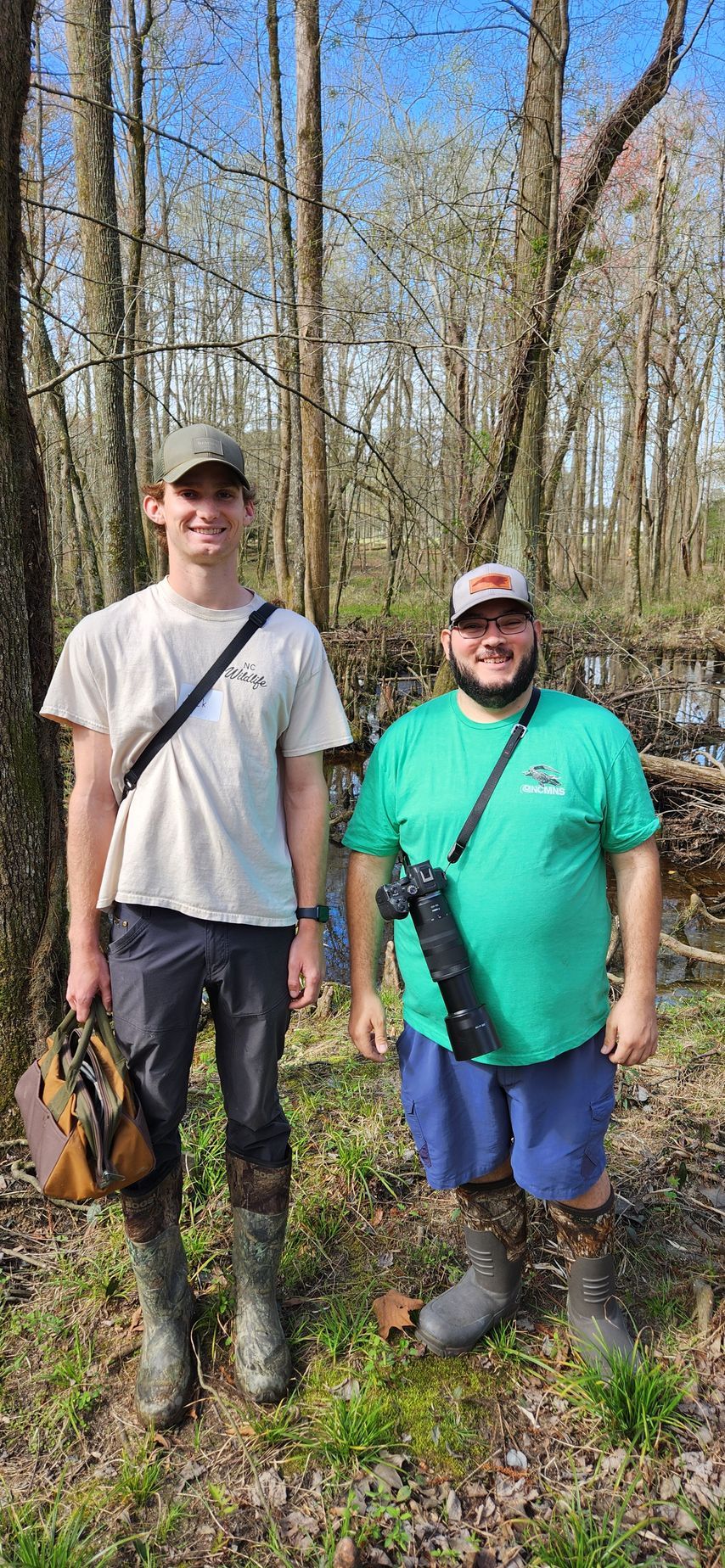
Special thanks to our volunteer team leaders who started leading parts of our monitoring last year. This quarter we had several leaders step up, attend trainings, and take full leadership of monitoring at our sites. Special thanks to Leigh Aultman at Hemlock Bluffs, Paul Jadot at Mason Farm, and Tom Schwarcz at Robertson Millpond. In addition to their site-specific leadership, they along with other volunteer leaders Daphne Vogelsang and Mickey Jo Sorrell, will help one another to lead at all sites.  


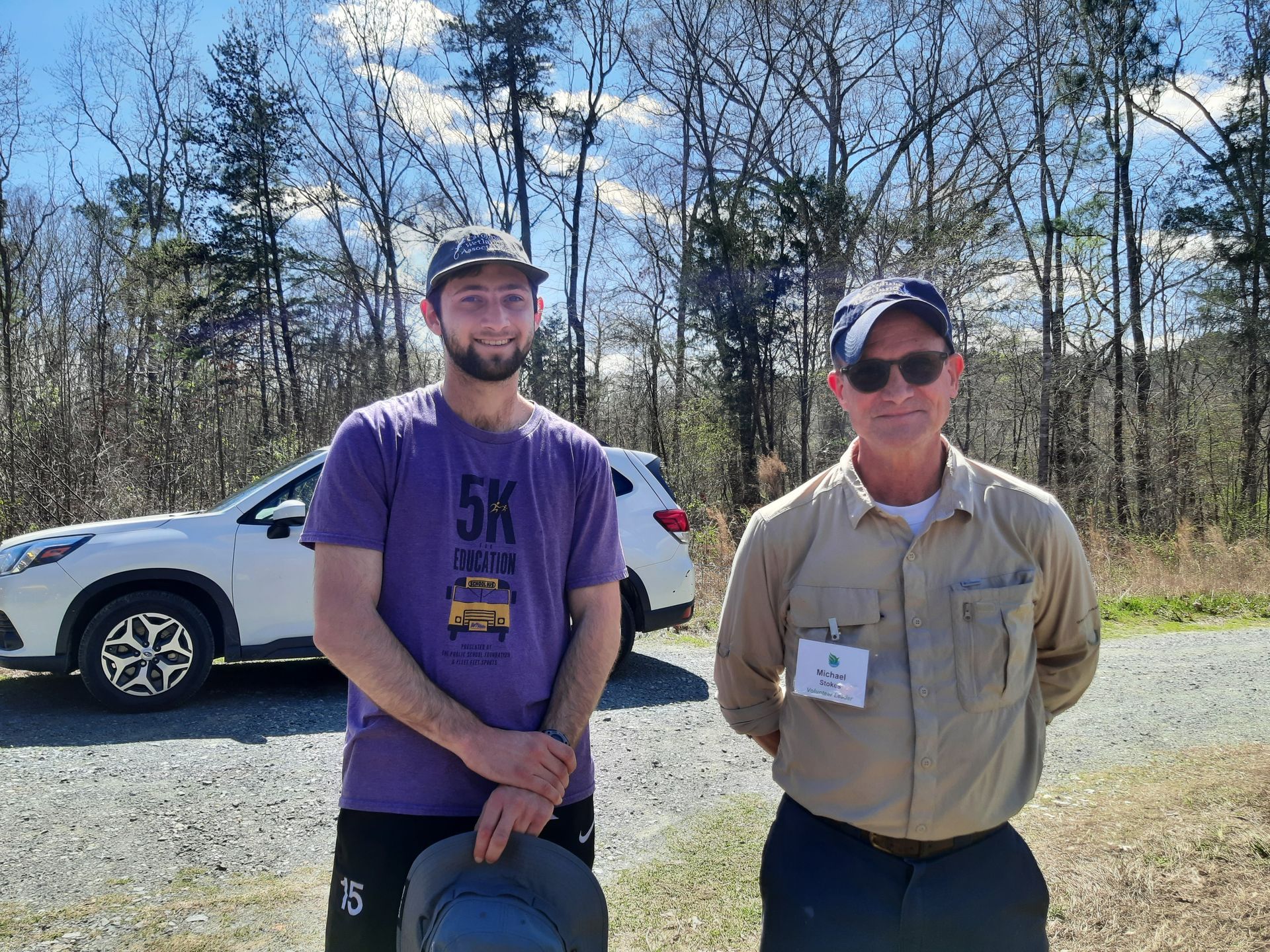
Additionally, our committed volunteers Riley Westman and Mike Stokes both earned hats for their many hours of volunteer work on this project. Both Mike and Riley have been helpful in the field and behind the scenes, helping to quality control our data. 


The commitment of our volunteers to monitoring and educating other about wetlands is a major success of this program so far!


Our project team is working on plans for next year. Keep a look out for more monitoring opportunities and a recap of our monitoring data thus far! Until then, we hope you have a wonderful holiday season and a safe and happy new year!

You might also like

Celebrating Our Carolina Wetlands

Forested wetland with surface water present
By rick.savage August 3, 2026
North and South Carolina is starting to recover from one of the most severe droughts in recent history. Drought covered essentially both states with reservoirs like Falls Lake and Jordan Lake dropping well below normal and cities including Raleigh and Durham enacting mandatory water restrictions. While the drought is largely over (given the second wettest July on record), I still think it is important to understand how wetlands mitigate droughts because the bottom line is drought impacts would be a lot worse without wetlands.
By rick.savage July 7, 2026
July is Lakes Appreciation Month, an annual celebration led by the North American Lake Management Society (NALMS) to recognize the many ways lakes enrich our lives—from providing drinking water and recreation to supporting wildlife and local economies. It is also an ideal time to recognize one of a lake’s most important, yet often overlooked, partners: lacustrine wetlands. When many people picture a lake, they imagine open water stretching to the horizon. But healthy lakes are much more than open water. Around their shorelines lies a dynamic transition zone where land and water meet. These shallow, vegetated areas are known as lacustrine wetlands, and they are among the most productive ecosystems in the Carolinas. What’s the Difference Between a Lake and a Wetland? Although they are closely connected, lakes and wetlands are not the same. A lake is generally a body of open water deep enough that sunlight cannot always reach the bottom. In contrast, a wetland is defined by the presence of water at or near the surface long enough to support hydric soils and plants adapted to saturated conditions. Lacustrine wetlands occupy the shallow margins of lakes where water levels fluctuate seasonally. Because sunlight reaches the bottom, these areas support an abundance of native aquatic plants such as pickerelweed, arrowhead, bulrushes, and water lilies. Rather than competing with lakes, these wetlands help lakes function as healthy ecosystems. Think of them as the lake’s living shoreline. Nature’s Water Filter Before rainwater reaches a lake, it often flows through wetlands. Along the way, wetland plants slow runoff, trap sediment, absorb excess nutrients, and filter pollutants. This natural treatment system helps improve water clarity and reduce harmful algal blooms. The same wetlands also soften the impacts of floods by temporarily storing stormwater and slowly releasing it after heavy rains. As we have discussed in recent newsletters, healthy wetlands provide one of our most cost-effective defenses against flooding while protecting downstream communities. A Haven for Wildlife Lacustrine wetlands are biodiversity hotspots. Their shallow waters provide spawning and nursery habitat for fish, breeding grounds for amphibians, nesting areas for turtles, and feeding habitat for wading birds. Dragonflies patrol above the vegetation while pollinators visit native flowering plants along the shoreline. Many species spend their entire lives within these wetlands, while others depend on them during critical stages of migration or reproduction. Remove the wetland, and the lake loses much of the biological richness that makes it special. Carolina’s Lake-Associated Wetlands Across North and South Carolina, remarkable lake-associated wetlands demonstrate this close relationship between lakes and wetlands. The majestic cypress-gum swamps surrounding Lake Waccamaw create habitat for rare plants and animals found nowhere else. The extensive shoreline wetlands of Lake Mattamuskeet, the largest natural lake in North Carolina, support hundreds of thousands of migratory waterfowl each winter. Reservoirs such as Jordan Lake , Falls Lake , and Lake Norman also contain valuable coves, embayments, and shallow wetlands that provide wildlife habitat while improving water quality. Closer to home, many neighborhood lakes, farm ponds, and municipal reservoirs include wetland fringes that quietly perform these same ecological services every day. While these wetlands may seem ordinary, together they form an important network that benefits both people and wildlife. Some of our Wetland Treasures such as Merchants Millpond , Robertson Millpond , and Phelps Lake Shoreline are Lacustrine wetlands. Appreciating the Whole Ecosystem As you celebrate Lakes Appreciation Month, take a moment to look beyond the open water. Notice the cattails swaying along the shoreline, the chorus of frogs after sunset, the great blue heron stalking fish in the shallows, or the dragonflies darting among the lilies. Those vibrant edges are not simply the border of a lake—they are an essential part of the ecosystem. Protecting lakes means protecting the wetlands that surround them. Together, they improve water quality, reduce flooding, support biodiversity, and provide countless opportunities for recreation, education, and inspiration. At the Carolina Wetlands Association, we believe that every wetland matters—whether it borders a coastal marsh, a forested swamp, or a favorite Carolina lake. This July, as we celebrate Lakes Appreciation Month, let’s appreciate these remarkable partnerships between lakes and wetlands and continue working to conserve them for future generations. What is your favorite lake with beautiful wetlands? Share your photos and stories with the Carolina Wetlands Association and help us celebrate the wetland treasures that make our Carolina lakes so special. So go out and explore a wetland at your favorite lake or at one of our Wetland Treasures and remember that Carolina Wetlands Association is actively working to protect all wetlands. Your support is always appreciated. Rick Executive Director Carolina Wetlands Association
By Becky Ryon July 4, 2026
Buffers and Setback adopted by Cities and Towns